
DIY Survival Food: Tips and Recipes for Emergency Situations

Are you concerned about the possibility of a disaster or emergency? Whether it’s a natural disaster or a man-made crisis, being prepared is essential. One of the most important aspects of preparedness is having enough food to sustain yourself and your family. That’s where DIY survival food comes in.
DIY Survival Food Cover Image

DIY survival food is exactly what it sounds like – food that you make yourself to have on hand in case of an emergency. It’s a way to ensure that you and your loved ones have access to nutritious food when you need it most. Not only is it a practical solution, but it can also be a fun and rewarding project.

With a little planning and preparation, you can create a stockpile of food that will last for months or even years. In this article, we’ll explore the basics of DIY survival food and give you tips on how to get started.

Essentials of DIY Survival Food

When it comes to DIY survival food, there are a few essentials that you need to keep in mind to ensure that you are well-prepared for any emergency. Here are some of the key things to consider.

Shelf Life

One of the most important things to consider when preparing DIY survival food is the shelf life of the ingredients you are using. You want to make sure that your food will last for a long time without spoiling or going bad. Some good options for long-lasting ingredients include canned goods, dried fruits and vegetables, and grains such as rice and quinoa.

Nutrition

Another important consideration is the nutritional value of your DIY survival food. You want to make sure that you are getting all of the nutrients you need to stay healthy and energized, even in a survival situation. Some good options for nutrient-dense ingredients include nuts and seeds, dried beans and legumes, and dehydrated meats.

Preparation

In addition to choosing the right ingredients, you also need to consider how you will prepare your DIY survival food. Ideally, you want to choose ingredients that are easy to prepare and don’t require a lot of special equipment or tools.

Some good options include instant oatmeal, canned soups and stews, and dehydrated meals that can be rehydrated with hot water.

Storage

Finally, consider how you will store your DIY survival food. You want to b e sure that your food is stored in a cool, dry place where it won’t be exposed to moisture or pests.

Some good options for storage containers include plastic bins with tight-fitting lids, mylar bags, and vacuum-sealed bags.

By keeping these essentials in mind, you can ensure you are well-prepared with a supply of DIY survival food that will keep you nourished and energized in any emergency.

Long-Term Food Storage Techniques

Canning and Preserving

Canning and preserving food is a great way to store food for the long term. With this technique, you can preserve fruits, vegetables, and even meats.

DIY Survival Food pressure cooker

The process involves heating the food in a jar to kill off bacteria and sealing it to prevent air from entering. You can use a pressure canner or a water bath canner to preserve food.

Canning and preserving food is a great way to ensure that you have access to fresh, healthy food, even when fresh produce is out of season.

Dehydrating Foods

Dehydrating food is another great way to store food for the long term. When you dehydrate food, you remove the moisture, which helps to prevent bacteria growth. You can dehydrate fruits, vegetables, and even meats.

You can use a dehydrator or an oven to dehydrate food. Dehydrated food can last for months or even years, depending on how well it is stored.

Freeze-Drying

Freeze-drying is a process that involves freezing the food and then removing the moisture through a process called sublimation. This process helps preserve the nutritional value of the food while extending its shelf life.

Freeze-dried food can last for years and is a great option for long-term storage. You can purchase freeze-dried food or invest in a freeze-drying machine to do it yourself.

Vacuum Sealing

Vacuum sealing is a great way to store food for the long term. With this technique, you remove the air from the bag or container, which helps to prevent bacteria growth and keep the food fresh.

You can vacuum-seal fruits, vegetables, meats, and even cooked meals. Vacuum-sealed food can last for months or even years, depending on how well it is stored.

Root Cellaring

Root cellaring is an old-fashioned technique for storing food that is still effective today. With this technique, you store fruits and vegetables in a cool, dark place, such as a basement or cellar.

The cool temperature and lack of light help to slow down the ripening process and prevent spoilage. Root cellaring is a great option for storing root vegetables, such as potatoes, carrots, and onions, as well as apples and other fruits.

By using these long-term food storage techniques, you can ensure that you have access to fresh, healthy food, even when it is out of season or unavailable. Whether you choose to can, dehydrate, freeze-dry, vacuum seal, or root cellar your food, each technique has its benefits and can help you to build a well-stocked pantry for the long term.

Basic Survival Food Types

Grains and Legumes

When it comes to survival food, grains and legumes are a staple. They are easy to store and provide a good source of carbohydrates and protein. Some popular options include rice, quinoa, lentils, and beans.

To ensure that your grains and legumes last longer, store them in a cool, dry place. You can also consider vacuum sealing them or storing them in airtight containers.

Canned Goods

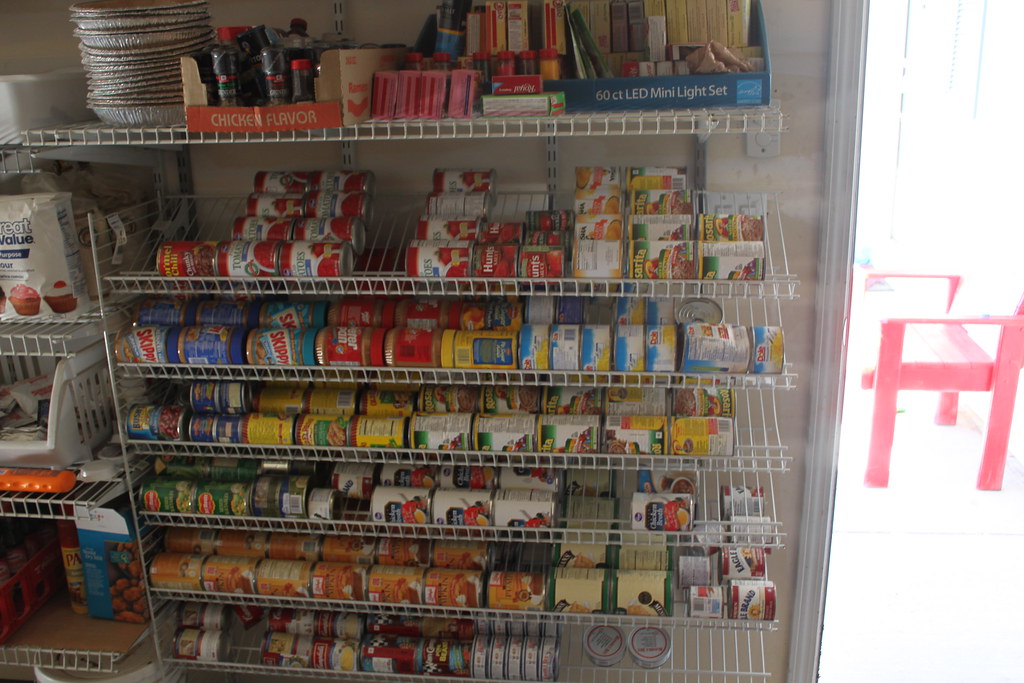
Canned goods are an excellent option for survival food. They have a long shelf life and can provide essential nutrients. Some popular options include canned fruits, vegetables, and meats.

When selecting canned goods, it is important to check the expiration date and inspect the can for any damage or dents. It is also important to store them in a cool, dry place.

Protein Sources

Protein is essential for survival, and there are several options available. Canned meats, such as tuna and chicken, are a good source of protein. You can also consider storing protein bars or powder.

Dried beans and nuts are also a great source of protein. They are easy to store and can be used in a variety of recipes.

Dried Fruits and Nuts

Dried fruits and nuts are a great source of nutrients and can provide a quick energy boost. Some popular options include raisins, apricots, almonds, and cashews.
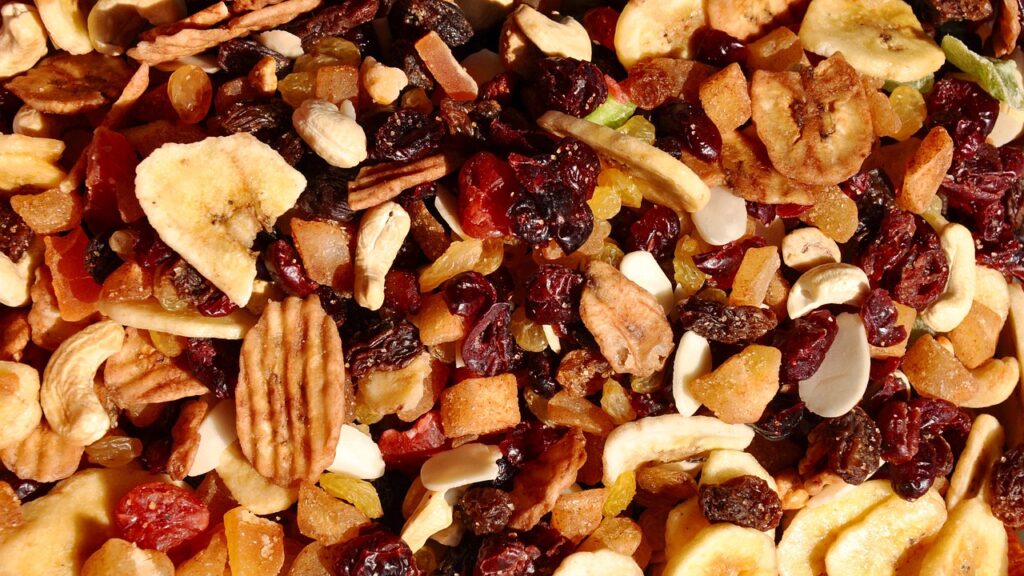
DIY Survival Food dried fruits and nuts

When storing dried fruits and nuts, it is important to keep them in a cool, dry place. You can also consider vacuum sealing them or storing them in airtight containers to ensure they last longer.

By stocking up on these basic survival food types, you can ensure that you have a variety of options to choose from in the event of an emergency. Remember to keep them stored properly and check expiration dates regularly to ensure they are still safe to consume.

Making Your Own Survival Meals

When it comes to survival food, making your meals is a great option. Not only does it allow you to customize your meals to your liking, but it can also save you money in the long run. Here are some ideas for making your survival meals.

Jerky Making

Jerky is a great source of protein and can be made from a variety of meats, including beef, venison, and turkey. To make jerky, you’ll need a dehydrator or an oven set to a low temperature. Slice your meat into thin strips, marinate them in your favorite seasoning, and dry them out until they’re crispy.

DIY MREs

MREs (Meals Ready to Eat) are a popular option for survival food, but they can be expensive. Making your own MREs is a great way to save money and customize your meals.

Start by choosing a protein source, such as canned tuna or chicken. Then, add some crackers, nuts, and dried fruit for carbs and healthy fats. Finally, add some seasoning packets and a spoon, and you’re ready to go.

Energy Bars and Snacks

Energy bars and snacks are a great way to keep your energy levels up during a survival situation. Making your own energy bars and snacks is easy and allows you to control the ingredients. Try making your own granola bars with oats, nuts, and dried fruit, or make some trail mix with your favorite nuts and seeds.

Foraging for Edibles

Foraging for edibles is a great way to supplement your survival food supply. Learn about the plants and berries that grow in your area, and you can identify them correctly before consuming them. Some common edible plants include dandelion, plantain, and wild berries.

Making survival meals is a great way to save money and customize your food supply. With a little creativity and know-how, you can create delicious and nutritious meals that will keep you going during a survival situation.

Water Purification and Storage

When it comes to survival situations, having access to clean drinking water is crucial. In this section, we’ll discuss some options for purifying and storing water.

Filtration Systems

One of the easiest ways to purify water is by using a filtration system. There are many different types of filtration systems available, ranging from simple straws to more complex pump systems.

  • Portable water filters: These are small, lightweight filters that are easy to carry with you on the go. They usually use a combination of activated carbon and ceramic filters to remove bacteria, protozoa, and other contaminants.

  • Gravity-fed filters: These filters use gravity to pull water through a series of filters, usually made of ceramic or carbon. They’re great for larger groups or for use at base camps.

  • Pump filters: These filters use a hand pump to force water through a filter. They’re a bit heavier and bulkier than other options, but they’re very effective at removing contaminants.

Chemical Purification

Another option for purifying water is by using chemicals. This method is often used in emergencies where no other options are available.

  • Chlorine tablets: These tablets are easy to use and can kill most bacteria and viruses in water. However, they don’t remove sediment or other contaminants.

  • Iodine tablets: Iodine tablets are similar to chlorine tablets, but they’re more effective against viruses. However, they can leave a strong taste and odor in the water.

  • Bleach: Regular household bleach can be used to purify water in an emergency. Use 8 drops of bleach per gallon of water, and let it sit for 30 minutes before drinking.

Water Storage Solutions

In addition to purifying water, it’s also important to have a way to store it. Here are some popular options for water storage:

DIY Survival Food water bottles
  • Water bottles: These are a simple and easy way to carry water with you. Look for bottles made from durable materials, like stainless steel or BPA-free plastic.

  • Water bladders: Water bladders are flexible containers that can be filled with water and carried in a backpack. They’re great for longer trips where you need to carry a lot of water.

  • Water tanks: If you’re staying in one place for a while, a water tank can be a good option. Look for tanks made from food-grade plastic, and make sure to keep them clean and sanitized.

Gardening for Survival

Heirloom Seeds

When it comes to gardening for survival, choosing the right seeds is crucial. Heirloom seeds are a great option because they are open-pollinated and have been passed down for generations. This means seeds have adapted to their environment and are more resistant to pests and diseases.

Plus, you can save the seeds from your harvest and use them for next year’s crop. Some popular heirloom seeds include tomatoes, beans, and peppers.

Container Gardening

If you’re short on space, container gardening is a great option for growing your food. You can use pots, buckets, or old tires to grow vegetables and herbs. Make sure your containers have drainage holes and are filled with nutrient-rich soil.

Some great options for container gardening include lettuce, spinach, and herbs like basil and parsley.

Permaculture Basics

Permaculture is a design philosophy that focuses on creating sustainable ecosystems. When it comes to gardening, permaculture principles can help you create a garden that is self-sustaining and requires less maintenance.

Some permaculture basics include using companion planting to deter pests and attract beneficial insects, using natural fertilizers like compost and manure, and incorporating elements like rainwater harvesting and composting into your garden design.

By incorporating these gardening techniques into your survival plan, you can ensure that you have a steady supply of fresh, nutritious food.

Food Preservation Safety

Preserving food is an excellent way to ensure that you always have access to healthy, nutritious food, even in times of emergency. However, it’s essential to take the necessary precautions to ensure your food is safe. Here are some tips to help you preserve your food safely

Avoiding Contamination

When preserving food, it’s crucial to avoid contamination. This can be done by using clean equipment and surfaces, washing your hands thoroughly before handling food, and avoiding cross-contamination.

Cross-contamination occurs when bacteria from one food item is transferred to another. To avoid this, use separate cutting boards and utensils for meat, poultry, and fish, and always wash them thoroughly between uses.

Understanding Shelf Life

It’s essential to understand the shelf life of the foods you are preserving. Some foods, such as canned goods, can last for years, while others, such as fresh fruit and vegetables, have a much shorter shelf life.
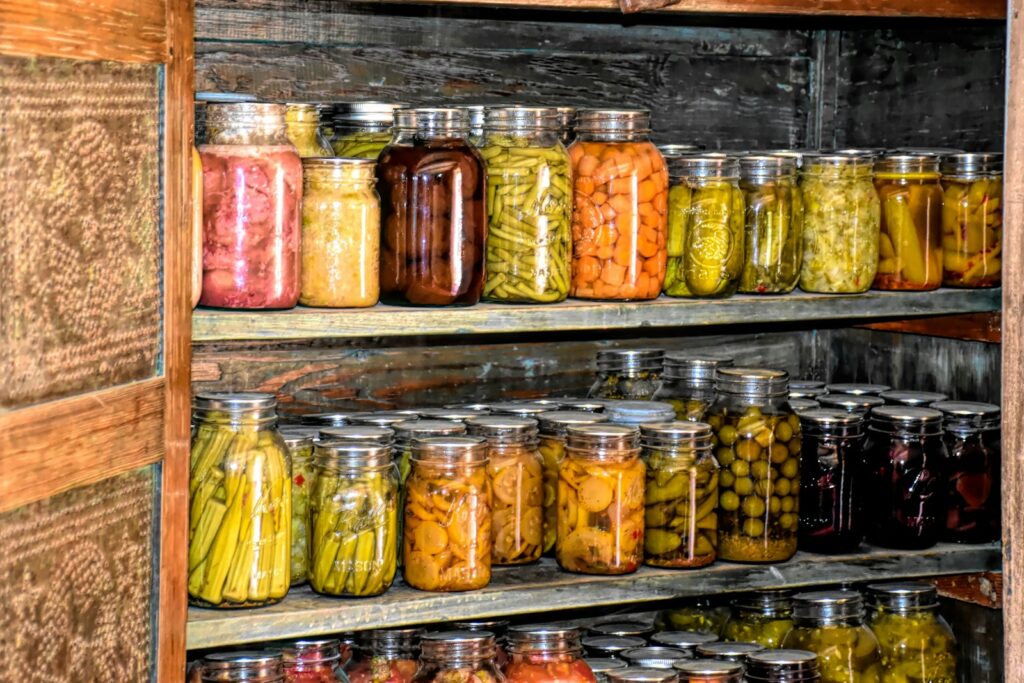
DIY Survival Food dried understand the shelf life of canned foods

Knowing how long your preserved food will last will help you plan your meals and avoid eating spoiled food.

Labeling and Rotation

Labeling and rotation are essential when preserving food. Labeling your preserved food with the date it was preserved will help you keep track of its shelf life.

Additionally, rotating your food supply will ensure that you are always eating the oldest food first, reducing the risk of spoilage.

Preserving food is an excellent way to ensure that you always have access to healthy, nutritious food, even in times of emergency. With these simple tips, you can preserve your food safely and keep your family healthy and well-fed.

Survival Cooking Methods

Solar Cookers

When it comes to survival cooking, solar cookers are a great option. They are easy to use and require no fuel, making them ideal for long-term survival. All you need is sunshine!

Solar cookers work by trapping the sun’s rays and using them to heat your food. There are many types of solar cookers available, from simple box cookers to more advanced parabolic cookers.

Rocket Stoves

Rocket stoves are another great option for survival cooking. They are simple to make and use and can be fueled by a variety of materials, including wood, twigs, and even dried dung.

Rocket stoves work by creating a small, intense flame that burns hot and clean. This makes them ideal for cooking food quickly and efficiently, even in harsh outdoor conditions.

Open Fire Techniques

If you find yourself without any other cooking options, open-fire cooking techniques can be a lifesaver. While it may not be the most efficient method, cooking over an open flame can be a great way to prepare food in a survival situation.

To get started, you’ll need to gather some dry wood and kindling. Once you have a fire going, you can cook food directly on the flames or use a makeshift grill made from sticks and wire.

Remember, when it comes to survival cooking, it’s important to be prepared and have a variety of options available. Whether you’re using a solar cooker, rocket stove, or open-fire techniques, practice your skills before you find yourself in a survival situation.

Urban Survival Food Strategies

When it comes to urban survival, having a supply of food that can last you for several days is crucial. Here are some strategies to help you prepare.

Stock up on non-perishable items

Non-perishable items are key when it comes to survival food. These items can last for months or even years and can be eaten without refrigeration or cooking. Some examples of non-perishable items include canned goods, dried fruits, nuts, and granola bars.

Learn how to forage

Foraging is the practice of finding and gathering food from the wild. In an urban environment, this could mean finding edible plants in parks or along sidewalks. Make sure to do your research and only eat plants that are safe to consume.

Keep a small garden

If you have access to outdoor space, consider starting a small garden. This can be a great way to grow your produce and have fresh food available. Even if you don’t have much space, you can still grow herbs or small vegetables in containers.

Have a plan for water

In addition to food, having access to water is also crucial for survival. Make sure to have a plan in place for obtaining clean drinking water. This could mean storing water in advance or knowing where to find water sources.

Remember, being prepared is key when it comes to urban survival. By stocking up on non-perishable items, learning how to forage, keeping a small garden, and having a water plan, you can ensure that you have enough food to last you in an emergency.

Wilderness Food Procurement

When it comes to survival in the wilderness, knowing how to procure your food is essential. Here are a few methods to help you get started:

Hunting and Trapping

Hunting and trapping are effective ways to obtain meat in the wilderness. You can use a variety of methods, such as setting snares or traps, using a bow and arrow, or even using a rifle if you have one. It’s important to research and understand the laws and regulations in your area before attempting to hunt or trap any game.

Fishing

DIY Survival Food fishing and spear fishing

Fishing is another great way to obtain protein in the wilderness. You can use a fishing pole with bait or even try your hand at spearfishing. It’s important to know how to properly clean and prepare fish before consuming them.

Wild Plant Identification

In addition to hunting and fishing, it’s also important to know how to identify edible plants in the wilderness. Some common edible plants include berries, nuts, and certain types of mushrooms. However, it’s important to be cautious and properly identify plants before consuming them, as some can be poisonous.

Remember, procuring your food in the wilderness can be challenging and requires knowledge and skill. Always prioritize safety and follow proper techniques to ensure your survival.

Nutrition and Health Maintenance

Balancing Your Diet

When it comes to survival scenarios, it’s important to maintain a balanced diet to ensure that you’re getting all the nutrients your body needs. This means incorporating a variety of foods into your diet, including protein, carbohydrates, and healthy fats. It’s also important to pay attention to portion sizes to avoid overeating or undernourishment.

Vitamins and Supplements

In addition to a balanced diet, you may also want to consider taking vitamins and supplements to ensure that your body is getting all the nutrients it needs.

However, it’s important to be cautious and do your research before taking any supplements, as some can be harmful in high doses or interact with medications.

Staying Healthy in Survival Scenarios

Staying healthy in survival scenarios can be challenging, but there are a few things you can do to maintain your health. First, make sure you’re drinking enough water to stay hydrated.

It’s also important to practice good hygiene, such as washing your hands regularly and keeping your living area clean. Finally, make sure you’re getting enough rest to allow your body to recover and recharge.

Frequently Asked Questions

What’s the simplest recipe for making survival food at home?

If you’re looking for a quick and easy recipe for survival food, you can’t go wrong with rice and beans. Simply mix cooked rice with canned beans and add some spices for flavor. This recipe is filling, nutritious, and can be stored for a long time.

How can I create a survival food kit on my own?

Creating a survival food kit is easy. Start by choosing foods that are non-perishable and have a long shelf life. Canned goods, dried fruits, and granola bars are all good options. Make sure to include a can opener and plenty of water.

What are some essential items to include in a DIY survival food bucket?

A DIY survival bucket should include non-perishable food items, water, a can opener, and a first aid kit. You may also want to include a portable stove, cooking utensils, and a water filtration system.

What are the top foods to stockpile for an emergency?

When it comes to stockpiling food for an emergency, you want to choose items that are non-perishable, have a long shelf life, and are easy to prepare. Some good options include canned goods, dried fruits, nuts, and peanut butter.

Can you suggest some family-friendly survival food options?

If you’re looking for survival food options that your whole family will enjoy, consider stocking up on canned soups, pasta, sauce, and peanut butter and jelly. These items are easy to prepare and are familiar to most people.

How do I prepare a 30-day emergency food supply?

Preparing a 30-day emergency food supply is easy. Start by choosing non-perishable items with a long shelf life. Make sure to include a variety of foods to keep things interesting. Store your food in a cool, dry place, and rotate your stock regularly to ensure freshness.

Mountain House Survival Food: The Ultimate Guide to Long-Term Storage and Nutritious Meals

Are you someone who loves to go on outdoor adventures? Do you enjoy hiking, camping, or backpacking? If so, you know it is important to have the right gear and supplies to ensure a safe and enjoyable trip. One of the most important things to consider when planning an outdoor excursion is food. You need food that is lightweight, easy to prepare, and will provide you with the necessary nutrients to keep you going. That’s where mountain house survival food comes in.

Mountain House Survival Food Cover Image

Mountain house survival food is designed specifically for outdoor enthusiasts who need a reliable source of food while on the go. These meals are lightweight, easy to prepare, and can be stored for long periods, making them perfect for backpacking, camping, or emergencies.

Whether you’re looking for breakfast, lunch, dinner, or snacks, there is a wide variety of options available to suit your needs. From scrambled eggs and bacon to beef stroganoff, you can enjoy delicious and nutritious meals no matter where your adventures take you.

Overview of Mountain House Survival Food

Brand History

Mountain House is a brand that has been in the business of producing survival foods for over 50 years. The company started in the 1960s as a supplier of freeze-dried food to the US military. Today, Mountain House is a well-known brand that produces a wide range of survival food products for civilians.

Product Range

Mountain House offers a variety of survival food products that are perfect for outdoor enthusiasts, hikers, campers, and preppers. The company’s product range includes freeze-dried meals, snacks, and emergency food kits. The meals come in various sizes, from single-serving pouches to family-sized buckets.

The meals are available in many different flavors, including beef stroganoff, lasagna, chicken teriyaki, and many more. The snacks include items like granola, fruit, and yogurt. The emergency food kits are designed to provide you with enough food to last for several days in case of an emergency.

Shelf Life and Storage

One of the most significant advantages of Mountain House survival food is its long shelf life. The company uses a freeze-drying process that removes all the moisture from the food, which helps to preserve it for a long time. The meals can last for up to 30 years if stored correctly.

To store the food, you should keep it in a cool, dry place. The company recommends storing the food in a place with a temperature of fewer than 75 degrees Fahrenheit. You should also avoid exposing the food to direct sunlight or moisture.

Mountain House survival food is an excellent choice for anyone who loves the great outdoors or wants to be prepared for emergencies. With a long shelf life, a wide range of products, and delicious flavors, Mountain House is a brand that you can trust to provide you with high-quality survival food.

Benefits of Freeze-Dried Meals

Nutritional Value

When it comes to survival situations, nutrition is key. Freeze-dried meals are a great source of nutrients because they retain much of their original nutritional value.

Mountain House Survival Food great source of nutrients

These meals are made by removing the water content from the food, which helps to preserve the nutrients. This means that even in a survival situation, you can still get the vitamins and minerals your body needs to stay healthy.

Convenience

Freeze-dried meals are incredibly convenient. They are lightweight and easy to carry, which makes them perfect for backpacking or camping trips. They also have a long shelf life, which means you can store them for long periods without having to worry about them going bad.

This makes them a great option for emergencies or for when you need to grab a quick meal on the go.

Lightweight and Portable

One of the biggest advantages of freeze-dried meals is their lightweight and portability. When you’re in a survival situation, you don’t want to be weighed down by heavy food.

Freeze-dried meals are incredibly lightweight, which means you can carry more of them without adding extra weight to your pack. They are also very portable, which makes them easy to take with you wherever you go.

In summary, freeze-dried meals offer many benefits, including their nutritional value, convenience, and lightweight and portability. Whether you’re going on a camping trip or preparing for a survival situation, freeze-dried meals are a great option to consider.

Preparing Mountain House Meals

Required Equipment

To prepare your Mountain House meals, you will need some basic equipment.

  • Stove or campfire
  • Pot or pan
  • Utensils (spoon, fork, knife)
  • Measuring cup (optional)
  • Water source

Cooking Instructions

  1. Boil water: Bring water to a boil using your stove or campfire. You will need approximately 2 cups of water for each Mountain House meal.
  2. Open package: Tear off the top of the Mountain House package and remove the oxygen absorber.
  3. Add water: Pour the boiling water into the package, making sure to cover all the food. Stir well.
  4. Close package: Seal the package with the ziplock seal and let it sit for 8-10 minutes.
  5. Stir and enjoy: Open the package and stir the food. Your Mountain House meal is ready to eat!

Water Sources and Purification

When preparing your Mountain House meals, it’s important to have a clean water source. If you’re camping or hiking, you can use a water filter or purification tablets to make sure your water is safe to drink.

You can also boil your water for at least 1 minute to kill any bacteria or viruses. Remember to always follow the instructions on your water filter or purification tablets.

Meal Selection Tips

Individual Needs

When selecting mountain house survival food, it’s important to consider your individual needs. If you have any dietary restrictions or preferences, make sure to choose meals that fit within those guidelines.

For example, if you’re a vegetarian, look for meals that are labeled as such.

Additionally, consider your caloric needs and choose meals that will provide you with enough energy to sustain you during your outdoor adventure.

Group Servings

If you’re planning on going on a trip with a group of people, it’s important to consider how many servings each meal provides. Make sure to choose meals that will provide enough food for everyone in your group. You can also consider purchasing multiple packages of the same meal to ensure that everyone gets enough to eat.

Allergen Considerations

Mountain House Survival Food be sure to read the food label for potential allergens

If you or anyone in your group has food allergies, it’s important to carefully read the labels of each meal before purchasing. Mountain House survival food lists all major allergens on their packaging, so make sure to check for any ingredients that may cause an allergic reaction.

It’s also a good idea to bring along any necessary medication in case of an emergency.

By considering your individual needs, group servings, and allergen considerations, you can ensure that you choose the right mountain house survival food for your outdoor adventure.

Emergency Preparedness

Building a Survival Food Kit

When it comes to emergency preparedness, one of the most important things you can do is to build a survival food kit. This kit should contain enough food to sustain you and your family for at least 72 hours. It is important to choose foods that are non-perishable, easy to prepare, and high in calories and nutrients.

Some good options for your survival food kit include canned fruits and vegetables, energy bars, beef jerky, and dried fruits and nuts. You should also include a manual can opener, a camping stove or portable grill, and plenty of water.

Long-Term Planning

In addition to your survival food kit, you should also have a long-term plan in place for emergency food supplies. This may include storing bulk grains, beans, and other dry goods in a cool, dry place. You may also want to consider investing in a food dehydrator or canning equipment to preserve fresh fruits and vegetables.

It is important to regularly rotate your emergency food supplies to ensure that they remain fresh and edible. You should also be aware of the expiration dates on your food items and replace them as needed.

Disaster-Specific Considerations

Finally, it is important to consider the specific types of disasters that may occur in your area when planning your emergency food supplies. For example, if you live in an area prone to hurricanes or flooding, you may need to have a plan in place for evacuating your home and bringing your emergency food supplies with you.

Similarly, if you live in an area prone to wildfires or earthquakes, you may need to have a plan in place for quickly accessing your emergency food supplies in the event of an evacuation or power outage.

By taking the time to build a survival food kit, plan for long-term emergency food supplies, and consider disaster-specific scenarios, you can help ensure that you and your family are prepared for any emergency that may arise.

Outdoor Adventures

Backpacking and Camping

When you’re out in the wilderness, you need food that is easy to carry, nutritious, and delicious. That’s where Mountain House comes in. Our freeze-dried meals are perfect for backpacking and camping trips. They’re lightweight, easy to prepare, and packed with the nutrients you need to fuel your adventure.

With a variety of options to choose from, you’re sure to find a meal that satisfies your taste buds. From classic favorites like Beef Stroganoff and Chicken Teriyaki to vegetarian options like Pasta Primavera, our meals are designed to keep you fueled and satisfied on the trail.

Hunting and Fishing

Whether you’re hunting or fishing, you need food that is easy to prepare and packed with protein. Mountain House offers a variety of options that are perfect for your next hunting or fishing trip. Our freeze-dried meals are lightweight, easy to pack, and packed with the nutrients you need to stay energized.

With options like Chili Mac with Beef, Biscuits and Gravy, and Breakfast Skillet, you’ll have plenty of delicious options to choose from. And with our easy-to-use packaging, you can enjoy a hot meal in minutes, even when you’re out in the middle of nowhere.

Remote Expeditions

When you’re on a remote expedition, you need food that is easy to pack, easy to prepare, and packed with the nutrients you need to stay energized.

Mountain House offers a variety of options that are perfect for your next remote expedition. Our freeze-dried meals are lightweight and easy to pack, making them the perfect choice for any adventure.

With options like Lasagna with Meat Sauce, Chicken Fajita Bowl, and Sweet and Sour Pork, you’ll have plenty of delicious options to choose from. And with our easy-to-use packaging, you can enjoy a hot meal in minutes, even in the middle of nowhere.

Mountain House Survival Food mountain climbing

So whether climbing a mountain or exploring a remote wilderness area, Mountain House has the perfect meal for your adventure.

Purchasing Options

Online Retailers

When it comes to purchasing Mountain House survival food, online retailers offer the convenience of shopping from the comfort of your own home. Many online retailers carry a wide selection of Mountain House products, making it easy to find the meals you need for your emergency food supply.

Some popular online retailers that carry Mountain House products include Amazon, REI, and Bass Pro Shops.

Local Stores

If you prefer to shop in person, many local stores carry Mountain House survival food as well. Outdoor retailers such as REI and Cabela’s often carry a selection of Mountain House products, as do some camping and outdoor supply stores. Additionally, some grocery stores and big-box retailers may carry Mountain House products in their emergency preparedness sections.

Bulk Purchases

If you’re looking to stock up on Mountain House survival food for long-term emergency preparedness, purchasing in bulk can be a cost-effective option. Mountain House offers bulk purchasing options on its website, allowing you to buy in quantities of 6, 12, or 24 cans.

Additionally, some online retailers and outdoor supply stores may offer bulk purchasing options as well.

Remember to always check the expiration dates when purchasing Mountain House survival food, and rotate your stock regularly to ensure that your emergency food supply stays fresh and ready to use when you need it.

Customer Reviews and Feedback

When it comes to survival food, you want something that not only lasts long but also tastes good. That’s why we’ve compiled some customer reviews and feedback on Mountain House survival food to help you make an informed decision.

Many customers rave about the taste and quality of Mountain House meals. One customer said, “I was pleasantly surprised by how good the food tasted. It didn’t taste like typical survival food.” Another customer commented, “The meals are easy to prepare and taste great. It’s like having a home-cooked meal in the wilderness.”

Customers also appreciate the variety of meal options available. From breakfast skillets to beef stroganoff, there is something for everyone. One customer said, “I love the variety of meals available. It’s nice to have different options to choose from.”

Another aspect that customers appreciate is the long shelf life of the food. One customer commented, “I like that I can store the food for years and not have to worry about it spoiling. It gives me peace of mind knowing that I have food in case of an emergency.”

Customers are satisfied with the taste, quality, and variety of Mountain House survival food. It’s a reliable option for those who want to be prepared for any situation.

Sustainability and Environmental Impact

When it comes to choosing survival food, it’s important to consider the impact it has on the environment. Mountain House Survival Food has taken steps to ensure that its products are sustainable and have a minimal environmental impact.

Mountain House uses high-quality ingredients that are sourced responsibly. They work with suppliers who use sustainable farming practices and follow ethical standards. This means that the food you eat not only tastes great but is also good for the environment.

Additionally, Mountain House has taken steps to reduce their carbon footprint. They use energy-efficient cooking methods and packaging that is recyclable. This reduces waste and conserves resources, making their products more sustainable.

survival food

Mountain House Survival Food has a long shelf life, which means less food waste. You can store their products for up to 30 years, reducing the need to constantly restock and dispose of expired food.

Mountain House Survival Food is a great choice for those who want to be prepared for emergencies while also being environmentally conscious. With their commitment to sustainability and responsible sourcing, you can feel good about the food you’re eating and the impact it has on the planet.

Frequently Asked Questions

What’s the shelf life of freeze-dried meals from Mountain House?

Mountain House freeze-dried meals have an impressive shelf life of up to 30 years. This makes them perfect for emergencies where you need to have long-lasting food.

How can I purchase Mountain House survival food in bulk?

You can purchase Mountain House survival food in bulk from their official website or other online retailers. Some retailers offer discounts for bulk purchases, so it’s worth shopping around to find the best deal.

Are there any physical stores where I can find Mountain House meals?

Yes, Mountain House meals are available in some outdoor and camping stores, as well as some sporting goods stores. However, availability may vary depending on your location.

What are some top food items to have in a survival stockpile?

In addition to Mountain House meals, some other essential items to have in a survival stockpile include canned goods, dried fruits and nuts, peanut butter, and crackers. It’s also important to have a supply of clean water and a way to purify water if necessary.

Who is the manufacturer behind Mountain House survival food products?

Mountain House is a brand of Oregon Freeze Dry, Inc., a company that specializes in freeze-drying and dehydrating food for various industries, including the military.

Can I find Mountain House freeze-dried food at Costco?

Yes, Mountain House freeze-dried food is available at some Costco locations. However, selection may vary depending on your location. It’s always a good idea to call ahead to check availability before making a trip.

Nutrient-Survival Food: The Ultimate Guide to Long-Term Food Storage

Are you tired of worrying about the expiration dates of your canned goods and non-perishables? Do you want to be prepared for any emergency or disaster without sacrificing the quality of your food? Look no further than nutrient-survival food.

Nutrient Survival Food Cover Image

Nutrient survival food is a relatively new concept in emergency preparedness. Unlike traditional canned goods and non-perishables, nutrient survival food is designed to provide a balanced and complete meal with all the necessary nutrients for survival.

These meals are created with a focus on long-term storage and have a shelf life of up to 25 years, making them a reliable option for any emergency.

What Is Nutrient Survival Food?

If you love to explore the great outdoors or are simply preparing for emergencies, you’ve probably heard of nutrient survival food. This type of food is designed to provide you with all the essential nutrients your body needs to survive in a compact and easy-to-store package.

Nutrient survival food is typically made up of freeze-dried or dehydrated ingredients carefully selected to provide a balanced mix of protein, carbohydrates, and fat. These meals are often fortified with additional vitamins and minerals to ensure your body stays healthy.

One of the biggest advantages of nutrient survival food is its long shelf life. Unlike fresh food, which can spoil quickly, nutrient-survival food can last for years if stored properly. This makes it a great option for anyone who wants to be prepared for emergencies or to stock up on food for future adventures.

In addition to being nutritious and long-lasting, nutrient survival food is also incredibly convenient. Most meals can be prepared quickly and easily with just a little water, making them perfect for camping trips, hiking excursions, or any other outdoor activity where you need a quick and easy meal.

Nutrient survival food is a great option for anyone who wants to stay healthy and prepared for any situation. With its long shelf life, balanced mix of nutrients, and convenient preparation, it’s a must-have for any outdoor enthusiast or emergency prepper.

Benefits of Nutrient Survival Food

Optimized Nutrition

When it comes to survival situations, getting the right nutrients is crucial for your health and well-being. Nutrient survival food is designed to provide you with all the essential vitamins and minerals your body needs to function properly.

These foods are often fortified with additional nutrients to ensure that you’re getting everything you need, even in the most challenging circumstances.

Long Shelf Life

One of the most significant benefits of nutrient survival food is its extended shelf life. Unlike traditional foods, which can spoil quickly, nutrient-survival food can last for years without going bad.

This means you can stock up on these foods and have them on hand for emergencies without worrying about them going to waste. This is especially important if you live in an area prone to natural disasters or other emergencies.

Convenience and Portability

Nutrient survival food is incredibly convenient and portable, making it an ideal choice for anyone who needs to be on the move.

These foods are often packaged in lightweight, easy-to-carry containers, perfect for backpacking, camping, or other outdoor activities. They’re also easy to prepare, requiring little more than water to be ready to eat.

Nutrient survival food is an excellent choice for anyone who wants to be prepared for emergencies or other challenging situations. With its optimized nutrition, long shelf life, and convenience, it is a smart investment that can help ensure your health and well-being in even the most challenging circumstances.

Key Ingredients in Nutrient Survival Food

Protein Sources

Protein is an essential nutrient that helps repair and build tissues in your body. In nutrient survival food, protein sources include meat, poultry, fish, and plant-based proteins such as beans, lentils, and quinoa.

Nutrient-Survival Food fish, legumes and quinoa

These protein sources are important to include in your diet to maintain muscle mass and support your immune system.

Vitamins and Minerals

Vitamins and minerals are necessary for the proper functioning of your body. Nutrient survival food includes a variety of vitamins and minerals such as vitamin C, vitamin D, zinc, and iron. These nutrients are crucial for maintaining good health and can help prevent deficiencies that can lead to illness.

Carbohydrates and Fats

Carbohydrates and fats are important sources of energy for your body. Nutrient survival food includes complex carbohydrates such as whole grains, as well as healthy fats such as nuts and seeds. These foods provide sustained energy and can help keep you feeling full and satisfied.

Nutrient survival food includes a variety of key ingredients such as protein sources, vitamins and minerals, and carbohydrates and fats. By including these important nutrients in your diet, you can maintain good health and support your body’s overall functioning.

Types of Nutrient Survival Products

Meal Replacement Options

When it comes to survival situations, meal replacement options can be a lifesaver. They are designed to provide all the nutrients your body needs to keep you going. Meal replacement options come in different forms such as powders, bars, and shakes. They are easy to store and can last for a long time.

Powders are a great option as they are versatile and can be mixed with water or other liquids to create a nutritious meal. Bars are perfect for on-the-go situations and can be easily packed in your survival kit. Shakes are a convenient option for those who prefer a liquid meal.

Snacks and Drinks

Snacks and drinks are a great way to keep your energy levels up throughout the day. They come in a variety of forms such as jerky, trail mix, and energy drinks. Jerky is a great source of protein and can be stored for a long time.

Nutrient-Survival Food trail mix

Trail mix is a combination of nuts and dried fruits that provide a quick energy boost. Energy drinks are a convenient option for those who need a quick pick-me-up.

Specialized Survival Kits

Specialized survival kits are designed to provide all the necessary nutrients your body needs in emergencies. They come in different forms such as earthquake kits, hurricane kits, and survival kits. These kits contain a variety of foods such as canned goods, freeze-dried foods, and water. They are easy to store and can last for a long time.

Nutrient survival products come in different forms and are designed to provide all the nutrients your body needs in emergencies. Whether you prefer meal replacement options, snacks, drinks, or specialized survival kits, there is an option that will suit your needs.

How to Store Nutrient Survival Food

When it comes to storing nutrient-survival food, there are a few things you need to keep in mind to ensure that your food stays fresh and safe to eat. Here are some tips to help you properly store your nutrient survival food.

Keep it Cool and Dry

One of the most important things to remember when storing nutrient survival food is to keep it cool and dry. This means storing your food in a cool, dry place, away from direct sunlight, moisture, and humidity.

Ideally, you should store your food in a location with a temperature of around 60°F (15°C) and a humidity level of less than 60%.

Use Airtight Containers

It’s also important to store your nutrient-survival food in airtight containers. This will help to keep out moisture, air, and pests, which can all cause your food to spoil or go bad. You can use plastic storage containers, Mylar bags, or even vacuum-sealed bags to store your food.

Rotate Your Stock

Another important tip for storing nutrient survival food is to rotate your stock regularly. This means using the oldest food first and replacing it with fresh food. By doing this, you can ensure that your food stays fresh and doesn’t go bad, which can be especially important in an emergency.

Label Your Containers

Finally, label your nutrient survival food containers with the date of purchase or expiration. This will help you keep track of when your food was purchased and when it needs to be replaced or rotated. You can also label your containers with the type of food inside, which can be helpful when you’re trying to find a specific item in your stockpile.

By following these simple tips, you can ensure that your nutrient-survival food stays fresh, safe, and ready to eat when you need it most.

Preparing Nutrient Survival Meals

Cooking Instructions

Preparing your nutrient-survival meals is easy. Most meals come in a pouch or a can, which makes them easy to store and carry. To prepare your meal, you need a stove, some water, and a pot.

  1. Start by boiling water in a pot. The amount of water you need depends on the meal you are preparing. Check the label on the pouch or can for instructions on how much water to use.

  2. Once the water is boiling, add the contents of the pouch or can to the pot. Stir well to ensure that the contents are evenly distributed.

  3. Reduce the heat and let the meal simmer for the recommended time. This can vary depending on the meal, so check the label for instructions.

  4. After the recommended time has passed, remove the pot from the heat and let it cool for a few minutes.

  5. Your nutrient survival meal is now ready to eat. You can eat it straight out of the pot or transfer it to a bowl or plate.

Water Requirements

Water is essential for preparing nutrient-survival meals. You will need to have access to clean and safe drinking water to prepare your meals. The amount of water you need depends on the meal you are preparing, but as a general rule, you should have at least one liter of water per meal.

It’s important to note that not all water sources are safe for consumption. If you are unsure about the safety of your water source, you should purify it before using it to prepare your meals. You can use a water filter or purifying tablets to make sure that your water is safe to drink.

In conclusion, preparing nutrient-survival meals is easy. With a stove, some water, and a pot, you can have a nutritious meal ready in no time. Just follow the cooking instructions on the label and have access to clean and safe drinking water.

Nutrient Survival Food in Emergency Situations

Disaster Preparedness

Nutrient-Survival Food natural disasters

When disaster strikes, it’s important to have a supply of nutrient survival food. Whether it’s a natural disaster like a hurricane or earthquake, or a man-made event like a power outage or civil unrest, having access to food that provides the necessary nutrients can help you stay healthy and alert during a crisis.

One option for nutrient survival food is freeze-dried meals. These meals are lightweight, easy to store, and have a long shelf life. They also come in a variety of flavors and can be prepared with just hot water, making them a convenient option for emergencies.

Another option is energy bars. These bars are packed with calories and nutrients, making them a great option for when you need a quick boost of energy. They’re also compact and easy to store, so you can keep them in your emergency kit or your car for when you’re on the go.

Outdoor Adventures

Nutrient survival food isn’t just for emergencies. It’s also important to have when you’re out on an outdoor adventure, whether hiking, camping, or backpacking. When exerting a lot of energy, your body needs fuel to keep going.

One option for outdoor adventures is dehydrated meals. These meals are lightweight and easy to store, making them a great option for backpacking trips. They’re also easy to prepare, usually just requiring hot water to rehydrate the food.

Another option is trail mix. Trail mix is a great snack option for outdoor adventures because it’s lightweight, easy to store, and provides a good mix of nutrients. You can make your trail mix with nuts, seeds, dried fruit, and other healthy ingredients, or you can buy pre-made mixes at the store.

No matter what type of nutrient survival food you choose, it’s important to make sure you have enough on hand for your needs. Keep in mind the number of people you’ll be feeding and how long you’ll need the food to last. With the right nutrient survival food, you can stay healthy and fueled no matter what situation you find yourself in.

Comparing Brands

When it comes to nutrient survival food, several brands on the market offer a variety of options. Here is a comparison of some of the most popular brands to help you make an informed decision.

Mountain House

Mountain House is a well-known brand that offers freeze-dried meals in pouches. They have a wide variety of options, from breakfast to dinner, and even desserts. Their meals have a long shelf life and are easy to prepare – add hot water and wait a few minutes. They also offer gluten-free and vegetarian options.

Augason Farms

Augason Farms offers a range of freeze-dried and dehydrated meals, as well as bulk ingredients for cooking your meals. Their meals are packaged in cans and have a long shelf life. They also offer gluten-free and vegetarian options. Augason Farms is a good option to stock up on long-term survival food.

Wise Company

Wise Company offers freeze-dried meals in pouches and emergency food kits. Their meals have a long shelf life and are easy to prepare – add hot water and wait a few minutes. They also offer gluten-free and vegetarian options. Wise Company is a good option to prepare for emergencies or disasters.

Legacy Food Storage

Legacy Food Storage offers freeze-dried meals in pouches, emergency food kits, and bulk ingredients. Their meals have a long shelf life and are easy to prepare – just add hot water and wait a few minutes.

They also offer gluten-free and vegetarian options. Legacy Food Storage is a good option to stock up on long-term survival food.

Each brand has its unique offerings and it’s important to consider your specific needs when choosing a brand. Whether you’re looking for a short-term solution or long-term survival food, there’s a brand out there that can meet your needs.

Customer Reviews and Testimonials

Looking for a reliable source of survival food can be a daunting task, but don’t just take our word for it, here are some reviews and testimonials from satisfied customers.

  • “I recently purchased the Nutrient Survival Food kit and was blown away by the quality and taste of the food. It’s amazing to know that I have a reliable source of nutrition in case of an emergency. I highly recommend this product to anyone looking for a trustworthy survival food option.” – John D.

  • “I’ve tried a few different brands of survival food in the past and was always disappointed with the taste and quality. However, after trying Nutrient Survival Food, I was pleasantly surprised. The food is delicious and packed with nutrients. It’s worth the investment.” – Sarah K.

  • “I purchased the Nutrient Survival Food kit for my family and we were all impressed with the taste and variety of the food. It’s reassuring to know that we have a reliable source of nutrition in case of an emergency. I highly recommend this product to anyone looking for a high-quality survival food option.” – Mark T.

  • “I was skeptical about purchasing survival food, but after trying Nutrient Survival Food, I am a believer. The food is not only nutritious but also delicious. It’s a great investment for anyone looking to be prepared for any emergency.” – Emily S.

As you can see, Nutrient Survival Food has received positive reviews from satisfied customers who appreciate the quality and taste of the food. Don’t wait until it’s too late, invest in Nutrient Survival Food today and be prepared for any emergency.

Purchasing Options and Considerations

When purchasing nutrient survival food, there are a few things you should consider to ensure you get the best value for your money. Here are some tips to help you make an informed decision.

1. Types of Nutrient Survival Food

There are different types of nutrient survival food available in the market, including freeze-dried, dehydrated, and canned food. Each type has its advantages and disadvantages, so it’s important to choose the one that best suits your needs.

2. Shelf Life

One of the most important factors to consider when purchasing nutrient survival food is its shelf life. Check the expiration date before buying and choose options with a longer shelf life to ensure you have enough time to consume them.

3. Nutritional Value

Another important consideration is the nutritional value of the food. Look for options that provide a balanced mix of macronutrients (carbohydrates, protein, and fat) and micronutrients (vitamins and minerals) to ensure you get the nutrients you need to stay healthy.

4. Cost

Nutrient-Survival Food consider cost to fit budget

While cost should not be the only factor to consider, it’s important to choose options that fit within your budget. Compare prices from different brands and suppliers to find the best deals without compromising on quality.

5. Brand Reputation

Lastly, consider the reputation of the brand and supplier before making a purchase. Look for reviews and feedback from other customers to ensure a reliable and trustworthy product.

By considering these factors, you can make an informed decision when purchasing nutrient-survival food and ensure you have a reliable source of nutrition in an emergency.

Frequently Asked Questions about Nutrient-Survival Food

What are the top-rated options for survival food in terms of nutrition?

When it comes to nutrient survival food, there are several options available in the market. The top-rated options include freeze-dried fruits and vegetables, whole grains, and protein-rich meats like beef, chicken, and fish. These foods are packed with essential vitamins and minerals that your body needs to stay healthy and energized.

Where can I purchase survival food that’s packed with nutrients?

You can purchase nutrient-packed survival food from various online retailers and specialty stores. Some popular options include Amazon, REI, and Wise Company. Make sure to read reviews and compare prices before making a purchase.

How does freeze-dried survival food compare to regular options?

Freeze-dried survival food is a popular option among preppers because it has a longer shelf life and is lightweight and easy to store. It also retains more nutrients compared to regular options because it is dried at a low temperature, which helps preserve the food’s nutritional value.

Are there any free samples available for nutrient-dense survival food?

Some companies offer free samples of their nutrient-dense survival food products. However, these samples are usually limited in quantity and may not be available. Check with the manufacturer or retailer to see if they offer any free samples.

Who is behind the production of these nutrient-packed survival meals?

Several companies produce nutrient-packed survival meals, including Wise Company, Mountain House, and Legacy Food Storage. These companies have a team of experts who carefully select and prepare the ingredients to ensure that the meals are both nutritious and delicious.

What should I look for when stockpiling food for emergencies?

When stockpiling food for emergencies, it’s important to look for nutrient-dense options with a long shelf life. You should also consider the number of servings, calorie count, and dietary restrictions. Store the food in a cool, dry place and rotate your stock regularly to ensure it stays fresh.

Nutrient Survival Food: Optimal Nourishment for Emergency Preparedness

When considering emergency preparedness, the food you stockpile is as crucial as any other supply. Nutrient survival food elevates the conventional emergency rations by focusing not only on the quantity but also on the quality of nutrients essential for peak performance.

Nutrient Survival Food Optimal Cover Image

Designed to the high standards of U.S. Special Ops forces, their products promise more than mere sustenance in critical situations. You’ll find offerings that are nutrient-packed, easy to prepare, and designed to support your health and energy levels during times of stress.

Nutrient Survival specializes in survival food that manages to combine longevity with nutrition. In a market filled with options where calories are often king, this brand sets itself apart by ensuring each serving is dense with vitamins, minerals, and other nutrients that aid in maintaining mental acuity and physical stamina in emergency conditions.

Whether it’s a natural disaster, economic uncertainty, or other crises, having access to food that’s not only filling but nutritionally comprehensive can be a game-changer.

Understanding that taste and variety are important even in emergency situations, Nutrient Survival dishes range from savory entrees to sweet snacks. Their patented process ensures that flavor and nutrition are locked in, so you never have to compromise on quality, even in the most trying of times.

This balance of taste, nutrition, and convenience positions Nutrient Survival as a formidable choice for your emergency food supply.

Overview of Nutrient Survival Food

In your quest for preparedness, Nutrient Survival offers foods designed to provide essential nutrients for survival situations.

Concept and Philosophy

Nutrient Survival caters to the health and well-being of individuals seeking nutrient-dense options in the survival food market. They aim to provide meals that not only sustain but also nourish with a balance of vitamins, minerals, and proteins, disrupting traditional emergency food paradigms by focusing on the nutritional value rather than just caloric content.

Target Audience

Your interests might align with Nutrient Survival if you are focused on emergency preparedness, seek high-quality, nutrient-rich survival food, or are an outdoor enthusiast requiring robust meal options. Their products are geared towards those who do not wish to compromise on nutrition, even in challenging situations.

Market Positioning

Find Nutrient Survival as a premium choice in the emergency food sector, with pricing reflecting the higher quality and nutritional benefits of their offerings. They are positioned above many competitors due to their focus on each meal’s complete nutritional profile, justifying the cost with nutrient-dense meals rather than basic sustenance.

Nutrition and Ingredients

Nutrient Survival food is designed to meet the high demands of nutrition. It provides a balance of essential nutrients often found in US military standards, ensuring you have the energy and health to face any situation.

Core Nutrients

Nutrient Survival foods are fortified with a specific blend of 40 essential nutrients. These include:

Nutrient Survival Food Omega 3 and Omega 6
  • 14 vitamins: Necessary for immune system function and energy metabolism.
  • 14 minerals: Vital for bone health and enzymatic reactions in the body.
  • 9 protein amino acids: The building blocks for muscle repair and growth.
  • 2 omega fatty acids: Omega-3 & Omega-6 contribute to cardiovascular and brain health.
  • Fiber: Important for digestive health.

Ingredient Quality

When you choose Nutrient Survival products, you’re selecting foods made with real ingredients. These are meals:

  • Crafted by hand, from scratch: Ensuring the integrity of ingredients from start to finish.
  • Made in America: Supporting domestic production and quality standards.

By focusing on quality, Nutrient Survival emphasizes both taste and nutritional value.

Nutritional Benefits

The nutritional benefits of Nutrient Survival foods are clear and impactful. You receive:

  • Sustained energy: Balanced macronutrients help maintain energy levels throughout the day.
  • Long-term health: Micronutrients support overall well-being, including immune defense and organ function.

Moreover, their 25-year shelf life ensures that these benefits stand the test of time, whether for daily nutrition or emergency preparedness.

Product Range

In exploring the product range of Nutrient Survival food, you’ll find options designed to not only sustain but also nourish during times when traditional food sources may be unavailable or during your day-to-day life.

Emergency Food Kits

Nutrient Survival offers a variety of Emergency Survival Food Kits that are designed for long-term storage with up to a 25-year shelf life. These kits typically include a mix of meals such as creamy stroganoff and potato soup, among others, that are both easy to prepare and flavor-focused.

Daily Nutritional Solutions

For non-emergency everyday use, Nutrient Survival provides a range of products that focus on daily nutritional needs. Their offerings include meals and snacks that are formulated to provide a balanced intake of essential nutrients, aligning with the nutritional standards used by elite US Special Forces.

Specialized Dietary Options

Recognizing the need for diverse dietary requirements, Nutrient Survival also features Specialized Dietary Options. This includes meals and snacks with specific nutritional profiles, such as high-protein, gluten-free, or meals with a focus on Omega-3 and Omega-6 fatty acids, catering to those with specialized dietary restrictions or goals.

Packaging and Shelf Life

Your understanding of nutrient survival food’s longevity and practicality is largely determined by its packaging and shelf life. High-quality materials and advanced food preservation methods ensure these products meet your needs, whether for emergency preparedness or everyday consumption.

Packaging Innovations

Nutrient Survival Food survival meals

Nutrient Survival food uses cutting-edge packaging to maximize preservation and ensure quality. Single serving pouches and larger pouches have a shelf life of 15 years, while their cans can last up to 25 years. This is due to the superior sealing technology that protects against oxygen and moisture, the primary culprits behind food degradation.

Long-Term Storage

The optimized packaging of Nutrient Survival food makes long-term storage manageable and efficient. The food’s longevity allows you to stock up and safely store these nutritional products without worrying about frequent replacement.

Meals are freeze-dried, a process that preserves nutrients while extending shelf life to up to 25 years, a testament to their storage capabilities.

Ease of Use

Ease of use is a core component of Nutrient Survival’s product design. Simple preparation instructions and the convenience of individual packaging make meal preparation straightforward in any situation.

The food’s long shelf life combined with the ease of opening and preparing these meals reinforces the practicality of Nutrient Survival products for your preparedness plans or outdoor adventures.

Preparation and Consumption

Proper preparation and consumption of nutrient survival foods ensure you retain their full nutritional benefits and enjoy them to the fullest. Follow these guidelines to maximize their taste and utility during emergencies.

Preparation Instructions

Most nutrient survival foods are designed for ease of preparation. Begin by reading the packaging for specific instructions. Generally, you will need to add water—often hot, but sometimes cold—to rehydrate freeze-dried foods. For example, Nutrient Survival foods require an accurate water-to-product ratio, and a precise soaking time is crucial for optimal texture.

Taste and Palatability

Nutrient Survival Food freeze dried foods

The taste of survival foods has greatly improved over the years. While options like freeze-dried meals from Nutrient Survival can offer a surprising depth of flavor, setting expectations is key—though quite palatable, these meals are crafted primarily for nutrition and shelf life.

Serving Suggestions

To enjoy nutrient survival foods, consider complementing them with items like spices or dried herbs to enhance flavor profiles. Creativity is your ally here. For example, integrate packaged meals with fresh ingredients if available or serve alongside fruit juices or teas to balance the meal and keep your palate engaged.

Purchasing Channels

When you’re looking to buy Nutrient Survival food, you have a few different options for where to make your purchase.

Online Storefront

Nutrient Survival offers a comprehensive online storefront where you can explore their full range of products. Shopping directly from their official website allows you access to the latest products, deals, and bundles that are available.

Retail Partners

For a more hands-on shopping experience, Nutrient Survival is available at various retail partners across the country. This can provide you with the opportunity to see and sometimes sample products before buying. Check the Nutrient Survival website for a list of official retailers to ensure you’re buying genuine products.

International Availability

If you’re based outside the United States, Nutrient Survival’s international availability may vary. While you can typically order from their online store, be mindful of additional shipping fees and potential import regulations that might apply.

Brand and Marketing

When you explore Nutrient Survival, you’ll discover a brand that prides itself on providing high-quality, nutrient-dense survival food, aligning its marketing efforts with the needs of its target audience for optimal engagement and brand recognition.

Marketing Strategies

Nutrient Survival employs targeted marketing strategies that emphasize the nutrient density and quality of their products. They use strong, direct messaging to communicate the effectiveness of their food, highlighting how it’s designed to meet the nutritional standards of elite US Special Ops Forces.

For instance, their advertising often cites the presence of a patented combination of 40 essential nutrients, setting them apart from other survival food brands.

Brand Image

The brand image of Nutrient Survival is built around the concept of elite survival nutrition. With products that are often described as “Top-shelf, delicious, Special Ops grade nutrition”, they project an image of reliability and superiority in the emergency food space.

The company demonstrates a commitment to quality that resonates with individuals looking for more than just emergency sustenance; they seek nutrition that supports an active, demanding lifestyle.

Customer Engagement

Your interaction with Nutrient Survival is not just transactional. They focus on engaging with you as customers beyond the point of sale. This is evidenced by their active presence on LinkedIn, where they communicate with nearly 1,000 followers and share insights about their brand’s journey.

They foster community and loyalty through consistent, informative, and empowering messaging that feeds your freedom to thrive in any situation.

Customer Support and Services

When you’re considering Nutrient Survival food, the customer support and services offered are integral to your overall experience. These services ensure that you can make informed decisions, engage with the community, and have your issues addressed effectively.

Customer Service

Nutrient Survival Food customer service

Your interaction with Nutrient Survival’s customer service may consist of contacting them through email for any queries or concerns you may have. While the email address may require some searching on their website, you’ll find it to be a direct line for assistance.

Educational Resources

Nutrient Survival provides educational resources aimed at enlightening you on the nutritional value and shelf life of their products. This information can help you understand the Special Ops grade nutrition designed to the standards of the US military, now accessible for your use.

Community Building

Engaging with Nutrient Survival extends beyond products – they focus on community building. By connecting with them, you join a group dedicated to staying healthy, strong, and prepared for any situation with a 25-year shelf life of freeze-dried foods.

Regulatory Compliance and Safety

When selecting nutrient survival food, ensuring that the product meets regulatory compliance and safety standards is crucial for your health. These aspects guarantee that the food you consume is not only nutritious but also safe and of high quality.

Quality Assurance

Your nutrient survival food undergoes rigorous quality assurance processes to ensure consistency and safety. Every batch is tested to match stringent specifications for nutrient content and absence of contaminants. This rigorous approach is critical in providing you with reliable nutrition during emergencies.

Certifications

Look for certifications on your nutrient survival food to verify its adherence to health and safety regulations. Certifications such as GMP (Good Manufacturing Practices) or NSF (National Sanitation Foundation) approval are indicators that the products have been produced to the highest standards.

Safety Standards

Your nutrient survival food should comply with established safety standards, which include the analysis and control of potential hazards—from raw material sourcing to production.

For instance, the HACCP (Hazard Analysis and Critical Control Point) system is a framework that food safety is addressed through in many food products, including survival food options. This ensures that your food is free from biological, chemical, and physical risks.

Frequently Asked Questions

Understanding the ins and outs of survival food is crucial in making informed decisions for your emergency preparedness plans. This section addresses common queries regarding Nutrient Survival food and general survival food considerations.

What are the benefits of freeze-dried food for survival purposes?

Freeze-dried food is prized for its long shelf life, typically around 25 years, while retaining its nutritional value. It’s lightweight, easy to store, and requires minimal preparation, making it ideal for emergency situations.

How does Nutrient Survival compare to other survival food brands?

Nutrient Survival is known for providing high-quality ingredients that meet the nutritional standards of the U.S. military. Their products are generally more costly compared to other brands, reflecting their focus on nutrient density and quality.

Are there gluten-free options available in survival food supplies?

Yes, there are gluten-free options available to cater to those with dietary restrictions. When selecting your emergency food, always check the labels for gluten-free certification to ensure they meet your dietary needs.

What are the essential foods to include in a survival stockpile?

Your survival stockpile should include a variety of non-perishable foods that offer a balance of carbohydrates, proteins, and fats. Foods such as nuts, seeds, whole grains, and canned goods are staples due to their nutrient content and extended shelf life.

How can I find reviews for Nutrient Survival products?

To assess the quality and taste of Nutrient Survival products, you can find reviews on various platforms such as Primal Survivor and other prepping blogs, which conduct detailed analyses and taste tests of their offerings.

Where can I purchase Nutrient Survival food products?

Nutrient Survival food products are available through their official website, and you can also find them on popular online retailers or specialty stores that focus on emergency preparedness and outdoor survival.