Free Survival Books: Your Ultimate Guide to Wilderness Skills and Preparedness

In the era of abundant information, the art of survival is not just about the gear you acquire but also the knowledge you possess. Free survival books offer a treasure trove of vital skills and techniques that could one day prove critical in an emergency or while venturing into the wilderness. Such resources are invaluable for learning how to create shelter, procure water, navigate without modern technology, and identify edible plants.

Free Survival Books Cover Image

Your ability to adapt to diverse survival scenarios can grow substantially as you explore the wealth of information available in these free materials.

From time-tested outdoorsmanship to modern prepping guides, downloadable PDFs and online manuals provide diverse insights.

Whether it’s bushcraft basics or advanced survival tactics, the knowledge is readily accessible and, most importantly, free.

Remember, survival skills are less about brute strength and more about mental preparedness and wisdom. By expanding your library with these free resources, you’re equipping yourself with the understanding necessary to confidently handle the uncertainties that may come your way in the great outdoors or during unexpected emergencies.

Basics of Survival

When confronting survival situations, your knowledge, mindset, and equipment are crucial. Herein, you’ll acquire insights into the psychological foundation, vital skills, and essential gear necessary for survival.

Survival Psychology

Your mental approach could mean the difference between life and death. Understand, survival is as much about mental resilience as it is about practical skills.

You must stay calm, assess situations rationally, and maintain hope regardless of the circumstances. Remember that psychological preparation can fortify you against stress and panic.

Essential Survival Skills

Here are some fundamental skills that you should master.

  • Fire Building: Learn efficient ways to start and maintain a fire under various environmental conditions, which is key for warmth, cooking, and signaling.
  • Water Purification: Knowing techniques to locate and purify water, like boiling or using filters, is crucial, as water is necessary for survival.
  • Shelter Building: Gain the ability to create shelter from natural materials or with the help of survival gear to protect yourself from the elements.
  • First Aid: Basic first aid skills can save lives, addressing injuries from minor cuts to significant wounds.
  • Signaling for Help: Be it with mirrors, smoke, or loud noises, you should know how to signal your presence to rescuers.

A detailed compilation of skills and guides can be found through resources like the Bushcraft Bible and survival PDFs that are freely available online.

Survival Equipment Essentials

Your kit should include the following essentials.

Free Survival Books necessary survival equipment
  • Knife: A sturdy, sharp knife serves multiple purposes, from building shelters to preparing food.
  • Map and Compass: These help in navigation, especially when GPS is not available.
  • First-Aid Supplies: Stock necessary medical items tailored to your environment and potential risks.
  • Multi-Tool: A good multi-tool can act as several different instruments, saving space and weight.
  • Water Filtration Device: A portable filtration device ensures access to clean drinking water.

Prepare to adapt your gear to different scenarios. Explore comprehensive lists of equipment via platforms like TruePrepper for more in-depth information.

Wilderness Survival

Mastering these core wilderness survival skills can ensure your safety and enable you to enjoy the great outdoors with confidence. The key to survival lies in the fundamentals of shelter building, water procurement, food gathering and hunting, fire creation and maintenance, and navigation.

Shelter Building

Your first priority is to create a safe, warm, and dry shelter to protect you from the elements. Locate a site away from water paths and falling hazards, then choose a design that fits the environment—whether it be a lean-to, a debris hut, or a snow cave. Resources detailing shelter-building techniques are invaluable.

Water Procurement

Water is crucial for your survival. Learning to find, collect, and purify water—whether it’s through boiling, using purification tablets, or solar stills—is vital. Always ensure you have a sustainable source; dehydration can lead to serious consequences. Find more information about water procurement in various survival guides.

Food Gathering and Hunting

For sustenance, you must learn to identify edible plants and master hunting or trapping skills for protein. It’s essential to recognize plants to avoid those that are poisonous.

Alternatively, understanding animal behavior and setting up traps can provide a reliable food source. Reference materials on food gathering and hunting are excellent for learning these skills.

Fire Creation and Maintenance

Fire serves many purposes: heat, cooking, signaling, and safety. You must become proficient at starting and maintaining a fire under various weather conditions using different methods such as a flint striker, bow drill, or even a lens.

The ability to create fire can mean the difference between life and death, so remember to study techniques on fire creation and maintenance.

Navigating Without Compasses

Orientation by natural landmarks, celestial bodies, and improvised methods are critical skills when modern gadgets fail. Learning to navigate using the sun, stars, or even the behavior of moss on trees could guide you to safety. Literature on navigating without compasses guides these ancient yet effective techniques.

Urban Survival

In an urban environment, survival requires knowing how to navigate the concrete jungle effectively and finding sustenance within the cityscape.

Staying Safe in Urban Disasters

Free Survival Books urban disasters

When disaster strikes in the city, your immediate priorities are securing shelter, ensuring your safety from urban dangers, and staying informed. Familiarize yourself with local emergency evacuation routes and have a designated meeting place for you and your loved ones.

Always keep an emergency kit that includes water, food, a flashlight, batteries, a multi-tool, and a first-aid kit.

  • Shelter: Identify multiple safe locations.
    • Safety: Be aware of potential hazards such as downed power lines.
    • Communication: Have a battery-powered or hand-cranked radio.

Urban Foraging

Foraging in an urban setting can be a reliable food source if you know what to look for and where to look. Edible plants and fruits often grow in public parks or community gardens. Use resources like the All Hazard Preparedness Workbook to learn what plants are safe to eat and how to identify them.

  • Foraging Basics:
    • Edibility: Learn to distinguish between safe and toxic plants.
    • Local Laws: Be mindful of laws governing foraging in public spaces.

Disaster Preparedness

When ensuring your safety in times of crisis, knowledge is as vital as any survival gear. The resources provided here offer targeted information to prepare you for both natural and unforeseen man-made disasters.

Natural Disaster Scenarios

To prepare for natural disasters, understand the specific types your region is prone to. Each type requires unique strategies and supplies. For example, in case of earthquakes, you are advised to ‘Drop, Cover, and Hold On,’ whereas during floods, having an evacuation plan and creating a flood-proof barrier are critical steps.

  • Tornadoes: Have a pre-identified shelter area and practice a drill.
  • Hurricanes: Stock up on non-perishable food, water, and reinforce your home.

These strategies are outlined in resources like Free Survival PDFs, Manuals, and Downloads where you can access various guides on how to react and prepare for these situations.

Man-Made Crises

Man-made crises include events like chemical spills, nuclear accidents, and terrorist attacks. These scenarios demand a different set of preparedness steps:

  • Establish communication plans.
  • Be informed about the nearest shelters and evacuation routes.
  • Learn decontamination procedures if exposed to hazardous materials.

The Ultimate Survival Guide provides comprehensive insight into preparing for such emergencies.

First Aid and Health

In critical situations, possessing the right knowledge in first aid and health can be life-saving. The following subsections cover essential procedures, injury management, and methods to maintain health over the long term.

Basic First Aid Procedures

You must be familiar with CPR (cardiopulmonary resuscitation), the Heimlich maneuver for choking victims, and methods to stop bleeding. To perform CPR, check for responsiveness, call for help, then proceed with chest compressions and rescue breaths if needed. It’s also vital to know how to recognize and respond to signs of shock.

Managing Common Injuries

For sprains and fractures, remember RICE: Rest, Ice, Compression, and Elevation. In case of burns, remove the heat source and cool the area under running water before covering it with a sterile bandage.

Free Survival Books first aid kit for cuts and lacerations

When dealing with cuts and lacerations, priority is to clean the wound and use sterile dressings to prevent infection.

Long-Term Health Preservation

In a survival situation, your ongoing health hinges on preventing infections and ensuring good nutrition. Always purify water before drinking to avoid waterborne diseases. Learn about local plants that can provide the necessary vitamins and minerals to keep you nourished and healthy over time.

Self-Defense Techniques

In critical situations where your safety is at risk, self-defense techniques can be life-saving. Understanding how to defend yourself without weapons and using items at hand as improvised weapons are essential skills.

Unarmed Self-Defense

You can effectively defend yourself without weapons by mastering a few key techniques. Striking—such as palm strikes to the nose or chin, and knee kicks to the groin—can incapacitate an assailant long enough for you to escape.

Blocking an attacker’s strikes and evading attacks are also crucial; always move toward the attacker’s blind spots.

Key Techniques:

  • Palm Strike
  • Knee Kick
  • Blocking and Evading

Learning the basics of self-defense is about targeting the vulnerable areas of an attacker’s body: eyes, nose, throat, and groin. You should practice these moves to build muscle memory. For more detailed instruction, consider resources like 10+ Self-Defense Books for Free offering free guides and strategies.

Improvised Weapons

When unarmed self-defense isn’t enough, identifying and utilizing everyday objects as improvised weapons can provide a crucial advantage.

Items such as pens can be used for stabbing, belts for whipping or strangling, or a bag of coins as a makeshift sap for striking. The key to using improvised weapons is speed and the element of surprise.

Common Improvised Weapons:

  • Pen: Stabbing tool.
    • Belt: Striking or restraining.
    • Bag of coins: Blunt force.

You need to quickly assess your environment for anything that can extend your reach or amplify your striking power. Always stay aware of the local legality regarding self-defense and use of force with improvised weapons. Knowledge from resources like Free Survival E-Books – Defiel.com Prepper Website can provide a more comprehensive understanding of improvised weapons for self-defense.

Long-Term Survival Strategies

In preparing for the eventuality of having to fend for yourself over an extended period, two fundamental aspects to consider are sustainable food sources and sturdy long-term shelters. These are non-negotiable for self-sufficiency and safety.

Creating Sustainable Food Sources

To maintain your nutrition in the long haul, you need to establish reliable food sources. Consider cultivating a survival garden that can yield crops perennially, focusing on vegetables and fruits that are hearty and can grow in various conditions.

Additionally, learning preservation techniques such as canning, smoking, and drying can help prolong your food supplies. The knowledge and skills acquired from free survivalist books can be invaluable in understanding which plants are most suitable and how to maximize crop yields year-round.

Building Long-Term Shelters

Your long-term survival shelter must be built to last. Start by choosing a location that’s safe from natural threats and employ sustainable materials. Insulation is key for thermal regulation, so use materials like mud, straw, or even modern insulation techniques if accessible.

Your shelter’s design should protect from wildlife and have a renewable water source nearby. For detailed guidance on constructing robust survival shelters, turn to resources like TruePrepper’s free survival PDFs, where you can find military manuals and other materials on shelter-building techniques that withstand the test of time.

Technical Knowledge

In the realm of survival, technical knowledge is crucial for self-sufficiency. It encompasses a range of practical skills that could be vital in various survival situations.

Knots and Their Uses

Your ability to tie different types of knots can be life-saving, especially in wilderness survival. For example, the Bowline is known for its strength and is useful for creating a fixed loop at the end of a rope, which can be crucial for rescue scenarios or securing shelters.

The Clove Hitch is another essential knot, ideal for attaching a rope to a tree or pole. You can explore 667 Free Survival PDFs, Manuals and Downloads for comprehensive guides on knots and their specific applications.

Weather Prediction Techniques

Understanding weather patterns and prediction techniques is critical for planning and safety. The appearance of certain cloud formations, such as cumulonimbus clouds, often signals an approaching storm.

Free Survival Books storm predictions

Reading wind patterns and barometric pressure can also provide warnings of inclement weather. Familiarizing yourself with these techniques is possible with resources like the military manuals found on TruePrepper.

Frequently Asked Questions about Free Survival Books

In your quest for preparedness, you may be looking for invaluable resources without the price tag. This section aims to answer your questions about free survival books and guides you can access now.

What are the top-rated survival handbooks available for free download?

You can enhance your survival knowledge with Top 5 Free Books for Survivalists and Preppers, which includes a selection of highly regarded handbooks that cover essential wilderness survival skills.

Where can I find comprehensive apocalypse survival guides in PDF format?

For a variety of manuals and guides on apocalypse preparedness, check out 667 Free Survival PDFs, Manuals, and Downloads, updated for 2024, offering a comprehensive resource library.

How can I obtain free survival books through mail with no shipping costs?

Currently, most survival books available for free are typically in digital format and downloadable directly online, thereby eliminating the need for shipping. Physical copies generally demand some cost for printing and delivery.

What essential information is typically included in a survival book?

Survival books often include critical information on fire building, water purification, emergency first aid, shelter construction, and identification of wild edible plants—a foundation for handling survival situations.

Can you recommend any survival guides that are available in a concise pocket PDF version?

You might find pocket-sized survival guides in PDF format through resources like PDF Room, which offer a selection of survival books that are easy to carry around and quick to reference.

What resources are available for learning Army Survival skills online?

For those interested in military-grade survival tactics, online platforms such as PDF Room provide access to military manuals and army survival guides that can be downloaded and studied at your convenience.

Free Survival Books: Where to Find Them and How to Use Them

Looking to learn some survival skills without breaking the bank? Look no further than free survival books! There are countless resources available online that can teach you everything from basic first aid to wilderness survival techniques. In this article, we’ll explore some of the best free survival books available and how they can help you prepare for any situation.

Free Survival Books Cover Image

Whether you’re an experienced outdoorsman or just starting to explore the world of survival, free survival books can be an invaluable resource. Many of these books cover basic skills such as building a fire, finding food and water, and navigating the wilderness.

Others delve into more advanced topics such as shelter building, trapping, and self-defense. No matter your skill level, there’s sure to be a free survival book out there that can help you improve your abilities and prepare for any situation.

So why should you consider using free survival books? For one, they’re a great way to learn new skills without spending a lot of money. Many of these books are free online, making them accessible to anyone with an internet connection.

Additionally, they can be a valuable addition to any survival kit, providing you with knowledge that could prove invaluable in an emergency.

So if you’re looking to improve your survival skills, be sure to check out some of the free survival books available online!

Essentials of Survival

Water Procurement

When it comes to survival, finding a reliable source of water is essential. You can only survive for a few days without water, so it’s important to know how to procure it. In a survival situation, you can collect water from various sources such as streams, rivers, and lakes.

However, it’s important to purify the water before drinking it. You can use methods such as boiling, filtering, or water purification tablets to make the water safe to drink.

Shelter Building

In a survival situation, shelter is crucial for protecting yourself from the elements. You can build a shelter using natural materials such as branches, leaves, and grass. The type of shelter you construct will depend on the environment you’re in.

For example, in a cold environment, you’ll need a shelter that’s well-insulated to keep you warm. On the other hand, in a hot environment, you’ll need a shelter that’s well-ventilated to keep you cool.

Fire Crafting

Fire is essential for survival as it provides warmth, light, and a means to cook food. You can start a fire using various methods such as using a fire starter, friction, or a magnifying glass.

Free Survival Books fire crafting

It’s important to know how to start a fire in different weather conditions, such as when it’s raining or windy. You should also know how to collect firewood and maintain the fire to make sure it stays burning.

Food Scavenging

In a survival situation, finding food can be a challenge. You can scavenge for food by hunting, fishing, or foraging for wild plants. It’s important to know which plants are safe to eat and which are poisonous. You should also know how to trap animals and fish to increase your chances of finding food.

In addition, you should know how to cook your food to make sure it’s safe to eat.

Remember, these are just the essentials of survival. To increase your chances of survival, you should also learn other skills such as first aid, navigation, and communication.

Survival Psychology

Stress Management

When you find yourself in a survival situation, it’s common to feel overwhelmed and stressed out.

However, it’s important to manage your stress levels to avoid making irrational decisions. One effective way to manage stress is by practicing deep breathing exercises.

Take deep breaths in through your nose and exhale slowly through your mouth. This can help calm your nerves and reduce stress levels.

Decision Making

Making the right decisions can be the difference between life and death in a survival situation. To make informed decisions, you should gather as much information as possible about your situation.

Write down the pros and cons of each option and weigh them carefully before making a decision. It’s also important to consider the potential consequences of each decision and how they will impact your chances of survival.

Survival Mindset

Having a survival mindset is crucial in a survival situation. It means being mentally prepared to face challenges and overcome obstacles. To develop a survival mindset, you should focus on staying positive and maintaining a can-do attitude.

You should also be adaptable and willing to change your plans if necessary. Remember, the key to survival is being able to adapt to your environment and circumstances.

First Aid Basics

No matter how prepared you are, accidents can happen. Knowing how to administer basic first aid can make all the difference in an emergency. In this section, we will cover the basics of treating wounds, natural remedies, and emergency procedures.

Treating Wounds

When treating wounds, the first step is to clean the affected area with soap and water. If the wound is bleeding, apply pressure with a clean cloth or bandage. If the bleeding doesn’t stop, seek medical attention immediately.

If the wound is deep, it may require stitches. In this case, seek medical attention as soon as possible. If unable to get medical help, you can use butterfly bandages to hold the wound together until it heals.

Natural Remedies

In a survival situation, you may not have access to traditional medical supplies. Fortunately, many natural remedies can help alleviate pain and promote healing.

Free Survival Books honey is a natural remedy

For example, honey has antibacterial properties and can treat minor burns and cuts. Aloe vera can soothe sunburns and other skin irritations. Tea tree oil can be used as a natural antiseptic.

Emergency Procedures

In an emergency, it’s important to stay calm and act quickly. If someone is unconscious, check their airway and breathing. If they’re not breathing, perform CPR until medical help arrives.

If someone is bleeding heavily, apply pressure to the wound and elevate the affected limb. If they’re experiencing severe pain, try to keep them calm and administer pain medication if you have it.

Remember, these are just basic first-aid techniques. It’s always best to seek medical attention as soon as possible in an emergency.

Navigation Techniques

Navigating in the wilderness can be a daunting task, but with the right techniques, you can find your way around with ease. Here are some navigation techniques that you should know:

Map Reading

Maps are an essential tool for navigation. Before you set out on your journey, make sure you have a map of the area you will be exploring. Study the map and familiarize yourself with the terrain, landmarks, and potential hazards.

When reading a map, pay close attention to the scale, legend, and contour lines. The scale will help you determine the distance between two points, while the legend will explain the symbols used on the map. Contour lines will help you determine the elevation of the terrain.

Compass Use

A compass is another essential tool for navigation. It can help you determine your direction and keep you on course. Before using a compass, know how to read it and understand the different parts.

To use a compass, hold it level and point the direction of the travel arrow in the direction you want to go. Turn the compass housing until the magnetic needle aligns with the orienting arrow. The direction of the travel arrow will now point in the direction you want to go.

Landmark Navigation

Landmarks are natural or man-made features that can help you navigate. They can be anything from a mountain peak to a tree or a building. When navigating using landmarks, it’s important to choose ones that are easy to spot and won’t change over time.

To navigate using landmarks, choose a landmark in the direction you want and walk towards it. Once you reach the landmark, choose another one and repeat the process.

By using these navigation techniques, you can explore the wilderness with confidence. Remember to always carry a map and compass with you, and to study the terrain before setting out on your journey.

Wilderness Survival

Forest Skills

When it comes to wilderness survival, forest skills are essential. You need to know how to navigate through dense forests, find food and water, and build shelter.

One of the most important skills is the ability to start a fire. You can cook food, purify water, and stay warm. Make sure you have a reliable fire starter and gather dry wood to keep it going.

Another important skill is finding and purifying water. In a forest, you can collect water from streams, rivers, and even rainwater. However, you need to make sure it’s safe to drink. You can purify water by boiling it, using water purification tablets, or filtering it through a cloth.

Desert Survival

Surviving in the desert requires a different set of skills. The scorching heat, lack of water, and limited resources can be challenging. The first thing you need to do is find shade and stay cool. Wear light-colored, loose-fitting clothes and a hat to protect yourself from the sun.

Water is scarce in the desert, so you need to conserve it. Look for signs of water such as vegetation, animal tracks, and insects. You can also collect dew or build a solar still to extract water from the ground.

Arctic Conditions

Surviving in the Arctic requires preparation and specialized gear. The extreme cold, snow, and ice can be deadly. You need to dress in layers and wear insulated, waterproof clothing. Make sure you have a reliable shelter and a heat source such as a stove or fire.

Free Survival Books survival in the Arctic

Food is scarce in the Arctic, but you can find it if you know where to look. Look for animal tracks and signs of vegetation. You can also fish through the ice or hunt for small game.

Remember, survival in the wilderness is all about preparation, knowledge, and skills. With the right mindset and tools, you can overcome any obstacle and thrive in the great outdoors.

Urban Survival Strategies

Finding Resources

When it comes to urban survival, finding resources is crucial. You need to know where to find food, water, and shelter. One of the best ways to find resources is to scavenge. Look for abandoned buildings, grocery stores, and other areas where you can find supplies. Be sure to bring a backpack or other bag to carry your supplies.

Another way to find resources is to barter. If you have skills or items that others need, you can trade for the resources you need. For example, if you have medical skills, you can trade your services for food or water.

Staying Hidden

Staying hidden is important in urban survival situations. You need to avoid drawing attention to yourself. One way to do this is to stay away from main roads and areas where people congregate. Instead, stick to back alleys and side streets.

Another way to stay hidden is to blend in with your surroundings. Wear neutral colors and avoid anything that makes you stand out. If you need to move around during the day, try to stay in the shadows and avoid direct sunlight.

Self-Defense

In a survival situation, self-defense is important. You need to be able to protect yourself from danger. One way to do this is to carry a weapon. A knife or pepper spray can be effective in deterring attackers.

Another way to defend yourself is to learn self-defense techniques. Take a class or watch instructional videos to learn how to defend yourself. Remember, the best defense is to avoid dangerous situations altogether.

Disaster Preparedness

When it comes to disaster preparedness, having a plan in place can make all the difference. Here are some key areas to focus on to ensure you’re ready for anything.

Emergency Kits

Putting together an emergency kit is a great way to ensure you have everything you need in the event of a disaster. Your kit should include food, water, first aid supplies, and a flashlight. Consider including a radio, extra batteries, and a whistle. Keep your kit in an easily accessible location, and make sure everyone in your household knows where it is.

Evacuation Plans

In the event of a disaster, having a plan in place for evacuation is crucial. Make sure everyone in your household knows what to do and where to go if you need to evacuate your home.

Identify a safe meeting place outside of your home, and make sure everyone knows how to get there. Practice your evacuation plan periodically to ensure everyone is prepared.

Long-Term Sustainability

In the event of a long-term disaster, it’s important to have a plan in place for sustainability. This could include growing your food, collecting rainwater, and using alternative energy sources.

Consider investing in a generator or solar panels to ensure you have power in the event of an extended outage. Keep in mind that sustainability takes time and effort, so it’s important to start planning now.

By focusing on these key areas of disaster preparedness, you can help ensure you and your loved ones are ready for anything that comes your way.

Foraging and Hunting

Edible Plants

When you’re out in the wilderness, it’s important to know which plants are safe to eat. Some common edible plants include dandelions, cattails, and wild berries.

However, it’s important to do your research and make sure you can properly identify these plants before consuming them.

One way to remember which plants are safe to eat is to use the acronym “SPROUTS”.

  • Sassafras
  • Plantain
  • Rose hips
  • Onion
  • Umbellifers (such as carrots and parsley)
  • Trees (such as birch and pine)
  • Succulents (such as cactus)

Remember to always wash any plants thoroughly before eating them, and start with small amounts to make sure you don’t have an adverse reaction.

Trapping Techniques

Trapping can be an effective way to catch small game such as rabbits and squirrels. One simple trap is the snare trap, which involves tying a noose around a trail or den entrance. Another option is the deadfall trap, which uses a heavy object to crush the animal.

Free Survival Books trapping techniques

It’s important to check your traps frequently to avoid leaving animals to suffer. Additionally, be aware of any laws or regulations regarding trapping in your area.

Fishing Skills

Fishing is a great way to catch food in the wilderness. You can use a variety of techniques such as fly fishing, bait fishing, or even spearfishing.

When choosing a fishing spot, look for areas with slower-moving water or where fish are known to congregate. Make sure you have the proper equipment, including a fishing rod, line, and bait.

Remember to always follow catch limits and regulations to avoid overfishing and harming the ecosystem.

DIY Survival Gear

Homemade Tools

When it comes to survival, having the right tools can make all the difference. But what if you don’t have access to the latest and greatest gear? Don’t worry, you can make your survival tools with just a few basic materials.

One of the easiest tools to make is a survival knife. All you need is a piece of metal, a file, and a sharpening stone. File the metal into the shape of a knife, sharpen the edge, and you’re good to go.

Another useful tool is a bow drill. This simple device can start a fire without matches or a lighter. All you need is a piece of wood, a cord, and a spindle. By spinning the spindle with the cord, you can create enough friction to ignite a piece of tinder.

Repurposing Items

In a survival situation, you’ll need to be resourceful. One way to do this is by repurposing everyday items for survival use.

For example, a soda can can be turned into a stove. Cut off the top and bottom of the can, poke some holes around the bottom edge, and fill the can with fuel. You can then use the holes to light the fuel and cook over the flame.

Another useful item to repurpose is a plastic bag. By filling it with leaves or other debris, you can create a makeshift sleeping bag or shelter. The bag will help insulate your body and keep you warm.

Gear Maintenance

Finally, it’s important to take care of your survival gear. After all, your life may depend on it.

One key aspect of gear maintenance is keeping it clean and dry. This will help prevent rust and other damage. You should also inspect your gear regularly for any signs of wear or damage. If something is broken or worn out, replace it as soon as possible.

By taking care of your gear and making your tools and equipment, you’ll be better prepared for any survival situation that comes your way.

Survival Stories and Lessons

Historical Accounts

You can learn a lot from reading historical accounts of survival. The stories of pioneers, explorers, and soldiers who survived in harsh conditions provide valuable insights into what it takes to survive against all odds.

One such example is the story of Ernest Shackleton and his crew, who survived a shipwreck and harsh Antarctic conditions for over a year. Their story teaches us the importance of resilience, teamwork, and resourcefulness.

Modern Survival Tales

In today’s world, survival stories are not limited to extreme conditions like shipwrecks or polar expeditions. Natural disasters, accidents, and other unexpected events can also put your survival skills to the test.

One such example is the story of Aron Ralston, who found himself trapped in a remote canyon with his arm pinned under a boulder. His story teaches us the importance of preparedness, quick thinking, and self-reliance.

Key Takeaways

Whether you’re reading about historical accounts or modern survival tales, there are some key takeaways that you can apply to your survival strategy.

  • Always be prepared: Have a survival kit, know basic survival skills, and be mentally prepared for unexpected situations.
  • Stay calm and focused: Panic can be your worst enemy in a survival situation. Stay calm, assess the situation, and make a plan.
  • Use your resources wisely: Whether it’s food, water, or shelter, use your resources wisely and conserve them whenever possible.
  • Stay connected: In today’s world, staying connected can be a matter of life and death. Carry a communication device and know how to use it in case of an emergency.

By learning from the experiences of others, you can improve your chances of survival in any situation.

Frequently Asked Questions about Free Survival Books

Where can I download free survival ebooks in PDF format?

Many websites offer free survival ebooks in PDF format. Some popular ones include Project Gutenberg, Open Library, and Free-eBooks.net. You can also search for specific titles on Google and add “PDF” to your search to find free downloads.

Can I get physical survival books mailed to me without cost?

It’s unlikely that you’ll be able to get physical survival books mailed to you without cost, as printing and shipping books can be expensive. However, some libraries offer free book borrowing services, and you may be able to find physical copies of survival books at local book swaps or used bookstores.

What are some top-rated survival guides available for free?

Some top-rated survival guides that are available for free include “The Ultimate Guide to Wilderness Living” by John McPherson, “Bushcraft 101” by Dave Canterbury, and “Survival Medicine Handbook” by Dr. Joseph Alton. These books cover a range of survival skills, from building shelters to treating injuries.

Are there any comprehensive prepper books available for free download?

Yes, there are several comprehensive prepper books available for free download. Some popular titles include “The Prepper’s Blueprint” by Tess Pennington, “The Modern Survival Manual” by Fernando Ferfal Aguirre, and “The SAS Survival Handbook” by John “Lofty” Wiseman.

How can I find a pocket-sized survival guide in PDF?

You can find pocket-sized survival guides in PDF format by searching online. Some popular titles include “Pocket Outdoor Survival Guide” by J. Wayne Fears and “The Miniature Guide to Survival” by Wayne Bosak. These guides are designed to be portable and cover essential survival skills.

Is there a free PDF guide for surviving apocalyptic scenarios?

While there is no one-size-fits-all guide for surviving apocalyptic scenarios, there are several free PDF guides available that cover specific scenarios.

Some popular titles include “Zombie Survival Guide” by Max Brooks, “Nuclear War Survival Skills” by Cresson H. Kearny, and “The Complete Guide to Pandemic Preparedness” by Cat Ellis. These guides provide valuable information on how to prepare for and survive various apocalyptic scenarios.

Best Survival Storybooks: Top Picks for Thrilling Tales of Survival

Survival stories have captivated readers for generations, with tales of individuals facing incredible odds and overcoming seemingly insurmountable challenges. The best survival storybooks offer a glimpse into the human spirit and the lengths individuals are willing to go to survive. Whether it’s a true story of survival in the wilderness or a fictional account of a post-apocalyptic world, these books are both entertaining and inspiring.

Best Surfival Storybooks Cover Image

When choosing the best survival storybooks, it’s important to consider the type of survival story you’re looking for.

Some books focus on survival in extreme environments, while others explore the psychological challenges of surviving a disaster. It’s also important to consider the author’s writing style and whether it’s a true story or a work of fiction.

One critical factor to consider when choosing a survival storybook is the level of detail and accuracy. True stories should be based on actual events and offer a realistic portrayal of the challenges faced by the protagonist. Fictional accounts should be well-researched and grounded in reality to maintain credibility.

We’ve spent hours researching and reading the best survival storybooks to bring you a list of the most captivating and inspiring tales of survival. From classic works of non-fiction to gripping post-apocalyptic novels, our list has something for everyone.

Best Survival Story Books

If you’re looking for a thrilling and inspiring read, look no further than these top picks for the best survival story books. These books will take you on a journey through the harrowing experiences of people who have survived against all odds.

From true stories of endurance in the wilderness to fictional tales of survival in dystopian worlds, these books are sure to captivate and inspire readers of all ages.

Against All Odds: A True Story of Ultimate Courage and Survival in World War II

Against All Odds: A True Story of Ultimate Courage and Survival in World War II

If you’re a fan of survival stories set in the context of World War II, you should definitely consider purchasing Against All Odds by Alex Kershaw.

Pros

  • Gripping storytelling that reads like a novel
  • Provides a detailed account of the heroic actions of the Third Infantry Division in World War II
  • Offers a unique perspective on the challenges faced by American soldiers during the war

Cons

  • Some readers may find the book’s focus on the Third Infantry Division too narrow
  • The book’s focus on the war may not appeal to readers who prefer more personal stories of survival
  • The book’s length may be daunting for some readers

Against All Odds is a well-written and gripping account of the Third Infantry Division’s heroic actions during World War II. Kershaw’s storytelling is top-notch, and the book provides a unique perspective on the challenges faced by American soldiers during the war.

If you’re a fan of survival stories set in the context of World War II, this book is definitely worth considering.

The book’s focus on the Third Infantry Division may be too narrow for some readers, but those who are interested in military history will appreciate the level of detail provided.

Additionally, the book’s focus on the war may not appeal to readers who prefer more personal stories of survival.

Finally, the book’s length may be daunting for some readers, but those who are willing to invest the time will be rewarded with a compelling read.

Against All Odds is a great choice for anyone who enjoys survival stories set in the context of World War II.

8 Miraculous Months in the Malayan Jungle: A WWII Pilot’s True Story of Faith, Courage, and Survival

Best Survival Story Books 8 Miraculous Months in the Malayan Jungle: A WWII Pilot's True Story of Faith, Courage, and Survival description

If you’re looking for a gripping and inspiring survival story, 8 Miraculous Months in the Malayan Jungle is a must-read.

Pros

  • A true story of faith, courage, and survival that will leave you in awe.
  • The book is well-written and engaging, making it easy to follow along with the story.
  • The book provides a unique perspective on WWII and the struggles faced by soldiers.

Cons

  • The book is relatively short at only 237 pages.
  • Some readers may find the religious themes to be too heavy-handed.
  • The book may be too intense for some readers due to its graphic descriptions of violence and suffering.

In 8 Miraculous Months in the Malayan Jungle, Major Humphrey and his fellow airmen are forced to crash-land in the middle of the Malayan jungle during WWII. Cut off from supplies and surrounded by danger, the men must rely on their faith and each other to survive.

The book is a powerful testament to the human will to survive, and it’s impossible not to be moved by the story of these brave soldiers. While the book is relatively short, it’s packed with intense and gripping moments that will keep you on the edge of your seat.

The religious themes in the book may be too heavy-handed for some readers, but they are an important part of the story and add to the overall message of hope and perseverance.

The book is not for the faint of heart, as it contains graphic descriptions of violence and suffering, but it’s a powerful and inspiring read that will stay with you long after you’ve finished it.

Uf you’re looking for a true story of survival that will leave you in awe, 8 Miraculous Months in the Malayan Jungle is an excellent choice.

Extreme Survival: Lessons from Those Who Have Triumphed Against All Odds (Survival Stories, True Stories)

Extreme Survival: Lessons from Those Who Have Triumphed Against All Odds (Survival Stories, True Stories)

If you’re looking for a book that can teach you how to survive in extreme situations, then Extreme Survival: Lessons from Those Who Have Triumphed Against All Odds (Survival Stories, True Stories) is a great choice.

Pros

  • The book provides valuable insights into the traits that are essential for survival.
  • The book contains a wide variety of survival stories that cover a range of extreme situations.
  • The book is well-written and engaging, making it an enjoyable read.

Cons

  • Some readers may find that the book focuses too heavily on survival stories that involve the ocean or mountains.
  • The book may not provide enough practical advice for some readers.
  • The book is relatively short, which may leave some readers wanting more.

In Extreme Survival, author Michael J. Tougias shares the stories of people who have survived against incredible odds. The book provides valuable insights into the traits that are essential for survival, such as resourcefulness, determination, and adaptability. The stories in the book cover a range of extreme situations, from being lost in the wilderness to surviving a plane crash.

One of the strengths of Extreme Survival is that it is well-written and engaging. Tougias is a skilled storyteller, and he does an excellent job of bringing the stories to life. The book is also relatively short, which means that it is a quick and easy read.

However, some readers may find that the book focuses too heavily on survival stories that involve the ocean or mountains.

Additionally, while the book provides valuable insights into the traits that are essential for survival, it may not provide enough practical advice for some readers.

If you’re interested in survival stories and want to learn more about the traits that are essential for survival, then Extreme Survival is a great choice.

Spectacular Stories for Curious Kids Survival Edition

Best Survival Story Books Spectacular Stories for Curious Kids Survival Edition

This book is a great purchase for parents who want their children to learn about survival skills entertainingly.

Pros

  • Short, engaging stories
  • Educational content
  • Inspires bravery and courage

Cons

  • Some historical inaccuracies
  • May not be suitable for children under 8 years old
  • Limited number of stories

The Spectacular Stories for Curious Kids Survival Edition is a collection of short stories that feature children facing various survival situations. The stories are well-written and engaging, making it a great tool for parents who want their children to learn about survival skills in an entertaining way.

Each story includes educational content about survival skills and inspires bravery and courage. However, some historical inaccuracies may confuse young readers. Additionally, the book may not be suitable for children under 8 years old due to some of the mature themes.

The Spectacular Stories for Curious Kids Survival Edition is a great purchase for parents who want their children to learn about survival skills while enjoying a fun and engaging read.

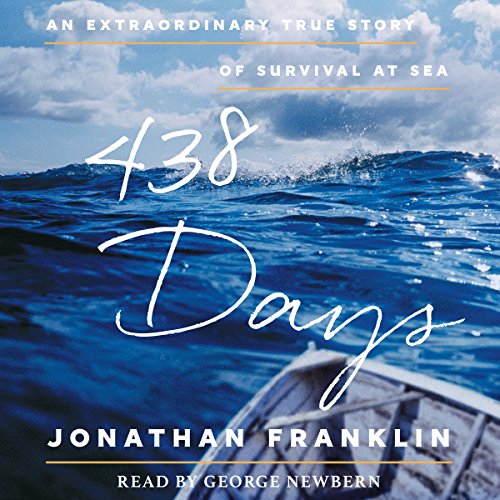
438 Days: An Extraordinary True Story of Survival at Sea

Best Survival Story Books 438 Days: An Extraordinary True Story of Survival at Sea

If you’re looking for an incredible true story of survival at sea, then 438 Days is a must-read.

Pros

  • The book gives a detailed account of the incredible journey of Salvador Alvarenga, who survived for over 14 months at sea.
  • The author’s writing style is engaging and easy to read, making it a page-turner.
  • The audiobook version is narrated by George Newbern, who does an excellent job of bringing the story to life.

Cons

  • Some readers may find the book to be too long, as it goes into great detail about the journey.
  • The book may not be suitable for those who are sensitive to descriptions of hunger, thirst, and other hardships.
  • The story may be too intense for some readers, as it deals with themes of survival, isolation, and mental health.

In this book, Jonathan Franklin tells the incredible story of Salvador Alvarenga, a fisherman who survived for over 14 months at sea after being blown off course.

The book provides a detailed account of Alvarenga’s journey, including his struggles with hunger, thirst, and isolation. Franklin’s writing style is engaging and easy to read, making it a page-turner that’s hard to put down.

The audiobook version of 438 Days is also excellent, with George Newbern doing an excellent job of bringing the story to life. His narration is clear and engaging, making it easy to follow along with the story.

If you’re looking for an incredible true story of survival at sea, then 438 Days is worth checking out. Just be aware that the story may be too intense for some readers, and the book may not be suitable for those who are sensitive to descriptions of hardship and struggle.

Buying Guide

When looking for the best survival story books, there are several factors to consider. Here are some key features to keep in mind when choosing a book:

Genre

Survival storybooks come in different genres, including fiction, non-fiction, memoirs, and biographies. Consider which genre you prefer and choose a book that fits your interests.

Author

The author’s experience, writing style, and credibility can greatly impact the quality of the book. Look for authors who have experience in survival situations or have done extensive research on the topic.

Content

The content of the book should be informative and engaging. Look for books that provide practical survival tips and techniques, as well as compelling stories that keep you interested.

Length

Consider the length of the book. Some survival storybooks can be lengthy and detailed, while others are shorter and more focused. Choose a book that fits your reading preferences and time constraints.

Reviews

Read reviews from other readers to get an idea of the book’s quality and content. Look for reviews from readers who have similar interests and preferences as you.

Price

Survival story books can vary in price, depending on the format and edition. Consider your budget and choose a book that fits within your price range.

When choosing the best survival storybook, consider the genre, author, content, length, reviews, and price. By taking these factors into account, you can find a book that is both informative and engaging.

Frequently Asked Questions

What is the greatest survival story of all time?

The greatest survival story of all time is subjective and varies from person to person. However, some of the most popular and well-known survival stories include “Into Thin Air” by Jon Krakauer, “Unbroken” by Laura Hillenbrand, and “The Martian” by Andy Weir.

Why are survival stories so popular?

Survival stories are popular because they showcase the strength and resilience of the human spirit. They are also often filled with adventure, danger, and suspense, making them thrilling to read.

What genre are survival stories?

Survival stories can fall under a variety of genres, including non-fiction, memoir, adventure, and fiction.

What are some true survival stories in the wilderness?

Some true survival stories in the wilderness include “127 Hours” by Aron Ralston, “Between a Rock and a Hard Place” by Aron Ralston, and “Wild” by Cheryl Strayed.

What are the best books about survival stories?

Some of the best books about survival stories include “Into the Wild” by Jon Krakauer, “Endurance” by Alfred Lansing, and “Alive” by Piers Paul Read.

What are some good survival fiction books for young adults?

Some good survival fiction books for young adults include “Hatchet” by Gary Paulsen, “Lord of the Flies” by William Golding, and “The Maze Runner” by James Dashner.