Five Useful Skills to learn 2021 in the Event of War or Terrorism

In the event that war or terrorism strikes, are you prepared? Here are five of the best and most useful skills to learn 2021 in the event of war or terrorism. 

Five Useful Skills to learn 2021 in the Event of War or Terrorism

While no one likes to think about the possibility of experiencing war or terrorism, it’s always a possibility that something so dangerous and severe could occur.

Five Useful Skills to learn 2021 in the Event of War or Terrorism

It’s far better to be prepared for the worst than to not possess specific skills that could help out during such dire situations. You should have several valuable skills in the event of war or terrorism to keep yourself and your loved ones as safe and protected as possible.

1. Basic Navigation

We talked about topographic maps before. If you don’t know this skill, you NEED to make it a top priority as it is the number one of our Five Useful Skills to learn 2021. If your navigation skills aren’t up to par, it’s an excellent time to work on them. Knowing primary navigation could help you during dangerous situations when you need to lead your family to safety. If you don’t know where you’re going or how to get to a safe place, it can put your life and the lives of your loved ones at risk. 

Navigation Skills You’ll Need 

Some of the things you can work on include learning how to use a compass and a printed map. In today’s world, most people rely on technology to get them from one place to the next. However, if you’re unable to access a phone, tablet, or any other type of electronic device, you’ll need to go back to using the old-school method of navigation. 

useful skills to learn 2021

Test Your Navigation Skills 

You can test your navigation skills by going camping and using a compass and printed map to help you get back to your starting point. You can even use the sun as the last resort to provide you with directions to get you back to where you came from. It may not seem like a big deal now, but basic navigation skills can get you further in life during emergencies.

2. Marksmanship

If you’re experiencing war or terrorism, marksmanship is a must. You might not have a weapon to use during these situations. However, the soldiers working against you to complete their attacks will likely have multiple weapons attached to their hips to fight off anyone that isn’t on their side. 

You Need to Know How to Use a Soldier’s Gun 

If you know how to use a gun properly, you’ll be able to use a soldier’s gun against them. You may find the gun lying in the ground with a severely wounded or deceased soldier in the middle of a war. 

If so, you’d need to grab that gun and carry it around with you for protection. However, there is no use in carrying something around if you don’t know how to use it. You can learn the basics of operating different types of guns by going to the shooting range.

3. Physical Fitness

Being physically fit is vital during challenging times when you may have a war going on in front of you. If you’re out of shape, it’s going to put your life at risk. You may have difficulty getting around or running away from potential attackers who could cause harm to you and your family. If you know that you’re out of shape and could use some exercise to build your stamina, it’s a good time to start exercising more often.

Get Moving 

Getting physically fit doesn’t mean you need to exercise all the time without giving yourself breaks. It means that you should do more cardio to improve your running skills and build stamina to get you further in any emergency. 

useful skills to learn 2021

30 Minutes a Day (3 Xs a Week) 

If you’re jogging for 30 minutes a day at least three to four times a week, you’ll get used to it, and it’ll eventually become natural for your body to jog for even more extended periods. If you don’t want to jog outside, you can always buy a treadmill and get plenty of practice at home.

4. Foraging Skills

If you don’t have access to fresh food and water because of a dire situation, you’ll need some foraging skills. While people in the United States used to possess these skills, not many do anymore, and that is because food and beverages are typically easily accessible and available to us. 

However, it would help if you prepared for the worst possible scenario by learning how to source water and food from the outdoors. It could mean the difference between surviving and dying out in the wilderness, which is the last thing you’d want to happen.

useful skills to learn 2021

Do Your Research 

Start doing some research on bodies of water and how to tell if you can drink from them or not. It would be best to learn more about the different types of plants that you can and can’t eat. If you need to source berries, fruits, and vegetables, you’ll need to make sure you’re grabbing the right things. You wouldn’t want to eat something that could poison you, make you hallucinate, or cause you to become sick.

5. Craftsmanship

Being crafty is another good skill to have if a war or terrorism occurs. Good craftsmanship makes it possible for people to build shelters out of sticks, hay, grass, and other items that they can find in nature. 

Build a Shelter 

You’ll need to learn how to build a shelter without having access to specific tools that you’d regularly be able to use when building a structure. You can learn how to use different plants, trees, and twigs to your advantage when you’re trying to protect yourself and your loved ones out in the wilderness.

Not only does it require craftsmanship, but it’s also helpful to have a creative mind to come up with ways to protect everyone while exposed to the elements and potential predators.
useful skills to learn 2021

Five Useful Skills to Learn 2021 in the Event of War or Terrorism

If a war or terrorism occurs, you should possess these five valuable skills that can keep you safe and help you travel when you need to do so. Even if you don’t feel like you currently have these skills, it’s not too late. 

You can learn more about navigation, work on your physical fitness, practice different crafts using all-natural materials, and even learn how to shoot and reload a gun properly. 

Once you’ve learned how to do these different things, you’ll know how to keep everyone safe while getting out of harm’s way as quickly as possible. There may come a time when you need to use these skills to your advantage to stay alive.

Other articles you may find helpful:

The Top Five Easy to Grow Vegetable Seeds

When you’re thinking about what types of crops to grow, check out these top five easy to grow vegetable seeds!

The Top Five Easy to Grow Vegetable Seeds

If you’re new to gardening, it’s a good idea to grow some of the easier crops to gain more experience over time. Some crops are naturally easier to grow because they require much less maintenance and effort but typically thrive in all different kinds of conditions.

The Top Five Easy to Grow Vegetable Seeds

If you’d like to become a better gardener in no time, check out these five easy crops to grow. It doesn’t matter if you have a lot of gardening space or not because here are the top five easy to grow vegetable seeds. 

1. Green Onions

Green onions are, by far, one of the easiest crops to grow when living in the United States. It’s not uncommon for green onions to sprout out of the ground on their own. You can plant the seeds and have the opportunity to harvest the green onions in as little as 30 days! So, if you’re in a rush to see the fruits of your labor forming, growing green onions is worth it.

Give Them Space! 

If you’re going to plant green onions, be sure to sow the seeds about two inches apart from one another to give these crops space to grow. You’ll need to develop a routine watering schedule to ensure that your green onions get the right amount of water. 

It’s easy to get the green onions to thrive, but you need to keep the soil moist without soaking it too much. You may see results within weeks of planting the onions. Green onions are known as one of the top five easy crops to grow. 

easy to grow vegetable seeds

2. Lettuce

Growing lettuce is a good idea for anyone. Whether you have experience in the garden or not, you can get your lettuce to grow with ease. It’s a forgiving crop that tends to do well in all kinds of weather conditions. It only takes about a month to get lettuce to grow large enough to harvest it and use it. 

Once you grow it, you can use it to make salads and wraps. You might even want to add the lettuce to sandwiches with sliced tomato, deli meat, and cheese on bread or rolls.

Ideal Spot in the Garden 

Choose the ideal spot for your lettuce. You can place it in an area that gets full sun because lettuce thrives under sunlight. However, it’s not bad if the spot that you choose gets some shade. Unlike some crops, lettuce can still thrive when planted in a semi-shaded area.

Place your lettuce seeds deep within the soil and keep them more than 14 inches apart from one another. You’ll need to give the seeds space to grow and transform into large lettuce heads that you can harvest and eat.

3. Bell Peppers

Add bell peppers to your garden for a simple vegetable that doesn’t require much effort to grow. You can get your bell peppers to grow large enough to harvest within a minimum of two months, making them a fantastic crop to grow. 

Harvesting Bell Peppers 

Once you can harvest the bell peppers, you can rinse them with water and eat them raw or cook them. Some people like to eat them with cream cheese or ranch dip.

On the other hand, some people like to add them to a pan with butter or oil and saute them before serving them with rice, sausage, beef, or pasta. Knowing that you can do a lot with them is a good enough reason to grow them!

Choose a Sunny Spot! 

If you’re going to grow bell peppers, choose a sunny spot in the garden. You’ll get these peppers to grow at a faster pace when they’re receiving plenty of sunlight each day. Be sure to use the right soil with a pH level of as low as 5.8 and as high as 6.5. Besides using the right soil, you should add fertilizer to your soil, use mulch, and make sure your bell pepper plants get about two inches of water per week.

easy to grow vegetable seeds

4. Wheat

While it’s a bit tricky in the beginning, wheat is a relatively easy-to-grow crop. Once you can get it growing, you’ll get some significant yields, and that means you’ll have plenty of wheat to use for fermentation and making homemade bread. You can mill the wheat into flour before using it in different recipes to prepare muffins, pasta, homemade biscuits, and other delicious baked goods from scratch.

How Many Seeds Can I Add?

If it sounds like a good idea to you, make sure you know how to plant your wheat seeds correctly to get them to grow. You can add up to 30 seeds for each square foot of land you’re using to grow wheat. As your crops begin sprouting, pay close attention to the area. 

You’ll need to remove any weeds that could get in the way of the wheat growing to its fullest potential. It’s equally as essential to provide your wheat crops with enough water.

5. Tomatoes

It’s common to find tomatoes growing in gardens of all sizes. You don’t need to have the most extensive garden to successfully get tomatoes to grow. It’s one of several reasons why new gardeners enjoy growing tomatoes so much. When your tomatoes reach their full size, you can harvest them and do so much with them. You can make tomato soup, add tomato slices to sandwiches and salads, and even use them in some of your favorite casserole recipes.

Use the Right Soil 

If you’re going to grow tomatoes, use soil with a pH of up to 7.0. Make sure you’re paying attention to possible pests. Tomato hornworms are commonly found in gardens where tomatoes grow, and they can cause major destruction to these plants. You can keep them away by using natural pest control products, including other pests that tend to prey upon the hornworms. Tomatoes are known as one of the top five easy crops to grow. 

easy to grow vegetable seeds

Top Five Easy to Grow Vegetable Seeds

If you’d like to start gardening and enjoy planting crops that aren’t too difficult to grow and maintain, consider planting these five options. If you have a garden full of wheat, tomatoes, lettuce, bell peppers, and green onions, you’ll have access to fresh ingredients that you can eat and use to prepare different meals.

The best part about growing these crops is that most of them don’t take long to reach their full potential for harvesting. What do you think are the top five easy crops to grow?

Other articles you may find helpful:

The Top Five Potential Alternatives to Money

Potential Alternatives to Money? While most people think money rules the world, the truth is that there are several alternatives to money that are just as useful.

Five Potential Alternatives to Money

If you’re ever in a situation where you’re unable to use cash, having some of these alternatives to offer others could potentially save your life and help you keep your family safe, well-fed, and protected.

Top Five Potential Alternatives to Money

If you know what to offer, it can make a huge difference. After all, not everything revolves around the dollar bill.

1. Gold

This is probably the most obvious of all the Potential Alternatives to MoneyGold is one of the most valuable precious metals to exist on Earth. While the currency is different across the globe, gold is a form of payment understood worldwide.

It typically has substantial value. While the price of gold fluctuates from time to time, it never significantly loses its value. It’s a form of wealth and has been for many, many years. 

Because it’s widely accepted throughout the world, it makes sense to have a collection of gold. You can work on collecting gold over time, especially if you don’t have a lot of money to invest in gold right now.

You may want to slowly but surely start to invest in gold coins and bullion, both of which will hold value. You can add these items to a portfolio and hold onto them because you don’t know when they might come in handy for you.

Silver is a great back up option if gold it too mush of a challenge for you.

Potential Alternatives to Money

2. Ammunition

If it becomes hard to come across in the future, you can expect ammunition to hold value. People want to have ammunition for different reasons. Some people want to have it to feel safe. They may want to feel like they’re capable of protecting their loved ones with their ammunition if it comes down to that. 

On the other hand, some people like to use ammunition while hunting for food to bring back to their families. If you buy it now, you’ll have plenty of ammunition to safely store in a secure spot.

Besides using it for hunting for food or defending yourself and your loved ones, you may be able to use ammunition as currency to barter for different items that you need at some point.

If you are seriously looking at this as Potential Alternatives to Money for your SHTF situation, keep an eye on who you trade this with and do it subtly. No one wants the word getting out there that they have plenty of ammo – it can be a great way to invite trouble.

3. Services

This is an often-overlooked item with the Potential Alternatives to Money planning comes about. If you can offer something to someone else in exchange for what they can do for you, it’s possible to use services as an alternative to money. For example, if you’re skilled at sewing, you can offer to sew clothes for someone in exchange for fruit and vegetables from their garden. Use your skills to your advantage. 

If you’re not sure which services you could provide as an alternative to money, think about what you’re good at and what you can offer. You may have a garden full of crops that others can eat. 

You can offer to do yardwork for someone else or even provide other valuable services to different people who can’t do what you can do. Create a list of the services you know you can offer in times of need if it ever comes down to it.

4. Energy Sources

Can you imagine what life would be like without electricity? Most people stress over the thought of not having access to modern technology, but there’s so much more to it than that. If you’re without a power source, you can’t do most of the things you’ve gotten used to doing because of technological advances and access to power sources. 

Potential Alternatives to Money

If you have coal or gasoline, you can always use it as a form of payment for services to those who could use these energy sources. You’ll find people who need coal or gasoline to heat their homes, get their vehicles running, or even allow them to cook a meal for their loved ones.

Because these energy sources come in handy during emergencies, it’s wise to start collecting them. You can buy coal and gasoline, but you’ll need to know how to safely store these products.

The worst thing to do is to improperly keep coal and gasoline because then it could go to waste, causing you to lose out on money and the chance to use these sources as an alternative to money when bartering with different people.

5. Food and Water

You can survive without gold, coal, gasoline, and many other things, but one thing humans can’t survive without for too long is food and water. So, if you have it, you know it’ll be valuable during dire situations where access to food and water is limited. 

While most people don’t want to think of the worst possible outcome, having extra food and water could be a lifesaver in the event of an economic collapse that leads to a survival situation. It doesn’t mean you need to go out and buy a bunch of water and food to build your stockpile, but you can start storing these items little by little to get prepared for any potential emergency that occurs.

One way to make sure you always have food available is to grow a garden in the backyard. Start with simple crops that are easy to grow, such as green onions, potatoes, and carrots. Work your way up to planting more complex crops that will provide you with a decent variety.

Even after you’ve harvested your crops, you can preserve them through canning or freezing methods to ensure you have access to food in an emergency. You can also begin storing fresh filtered water in large, sturdy containers that won’t cause any leaks.

Potential Alternatives to Money

Use the Right Alternatives to Money in Emergencies

Did you know that there were a few good alternatives to using money? While the currency is different in countries all across the globe, these alternatives are widely accepted worldwide.

If you’re looking for a way to pay for services you’ll receive without spending money, especially during an emergency, you can use one or more of these alternatives as a form of payment. Use your skills and the things you’ve collected overtime to pay for the goods and services you need during tough times. You’ll notice that during emergencies, many other people will do the same.

Other articles you may find helpful

Primary Dangers in Different Environments To Be Aware Of

Have you ever thought about the primary dangers in different environments that you might face? Read this guide to discover which dangers may affect you. 

Primary Dangers in Different Environments To Be Aware Of

Different environments can lead to dangerous situations. Depending on where you’re living or staying, it helps to know the primary dangers that can occur. When you’re aware of the risks, you can take measures to protect yourself and your loved ones.

Let’s look at the dangers in different environments

We have 5 specific areas that we looked at and broke them all down.

Dangers in Different Environments: The Desert

The desert is an arid area. While you may enjoy traveling through the desert, there are some dangers that you could potentially experience.

dangers in different environments

Extreme Temperatures

It’s common to experience extreme temperatures while in the desert. If you can’t handle the heat, this isn’t the place for you. Scorching temperatures can rise to 100 degrees F and above with high humidity levels, making it difficult for you to keep cool, hydrated, and comfortable.

Arachnids

Arachnids are spiders found in the desert that can and will bite humans. Their bites leave significant red marks and inflammation. The bites can sting and make it difficult for you to function because of the pain.

Keep in mind that ALL spiders have toxins in their venom so you may or may not react to it when/if they bite you.

Cacti

While you’re in the desert, you’ll come across plenty of cacti. While it’s not necessarily dangerous to see, getting too close to it can cause harm. The thorns attached to cacti can leave puncture wounds that could easily get infected if they’re untreated for some time.

Some Snakes

Many snakes slither around in the desert, including vipers, sidewinders, and night snakes. While not all snakes pose a risk, some are dangerous to encounter. It’s important to know which ones typically cause harm and what they look like so that you can do your best to avoid them while in the desert.

Lack of Water

A lack of water is a significant issue. It’s not easy to come across a body of water when you’re walking through the desert, especially if you find yourself stranded there. The lack of water can lead to dehydration that causes you to feel faint. It might even make you pass out.

Dangers in Different Environments: The Forest

Although known for its natural beauty, the forest has its own set of dangers that people need to know of and look out for while you’re traveling. It’s not always easy to get around in the forest, especially when there are so many trees, insects, birds, and other animals lingering around.

dangers in different environments

Animals

You never know what you might encounter while in the forest. It’s home to wolves, bears, and other large, dangerous animals. These animals are predatory and can cause major harm to humans.

Plants

You might think plants are harmless. Although it’s the case for most plants, you might come across some plants that aren’t good, such as poison oak and poison ivy. These plants can cause major irritation and skin rashes throughout the body that are difficult to deal with.

Weather

The weather in the forest isn’t always predictable. It can feel frigid during the winter months and extremely hot in the summer months. These extreme temperatures can put human lives at risk when stuck outdoors in the forest.

Dangers in Different Environments: The Tropics

The tropics have a natural beauty about them. While these areas are typically warm and colorful because of all the plants and trees, there are still dangerous situations that can occur in such an environment.

dangers in different environments

Few Land Animals

You won’t see many land animals living in the tropics. While this means you’re unlikely to experience a bear encounter, it also means you wouldn’t have a way to hunt and bring back food for your family if you needed to do so.

Not Much Drinkable Water

While in the tropics, you won’t have access to much drinkable water. Sure, the saltwater is there, but you can’t drink it. If you consume saltwater, you can end up hallucinating from it.

Harsh Weather Conditions

The weather conditions are harsh in the tropics. You can experience heavy rains, monsoons, and strong winds that make it difficult for you to get warm or comfortable. High temperatures can lead to heat exhaustion.

Excess Heat/Sun Exposure

While in tropical areas, you’re exposed to the sun and heat more often than ever. The extra exposure could cause you to feel dehydrated, suffer from hallucinations, and become weak. Many people pass out from too much sun and heat exposure.

Dangers in Different Environments: The Arctic Areas

The arctic areas don’t have much to offer when it comes to living there and enjoying life. Unless you’re a fan of cold temperatures, you may want to avoid arctic areas as much as possible.

dangers in different environments

Extreme Cold

The extreme cold is enough to cause anyone to end up with frostbite. While it might not seem like a big deal, frostbite can cause damage to different body parts, including fingers, toes, and feet. If too much damage occurs, you can lose these limbs for good!

Sparse Life

It’s rare to see many animals living in arctic areas. They can’t survive such cold temperatures. 

Heavy Clothes Required

If you’re staying in an arctic area, you’ll need heavy clothes. You’d need to wear multiple layers of clothing to keep yourself warm and comfortable.

Not Much to Work With

You won’t have much to work with when living in an arctic space. There is too much ice and snow covering everything, making it impossible for you to have access to grass, plants, and trees.

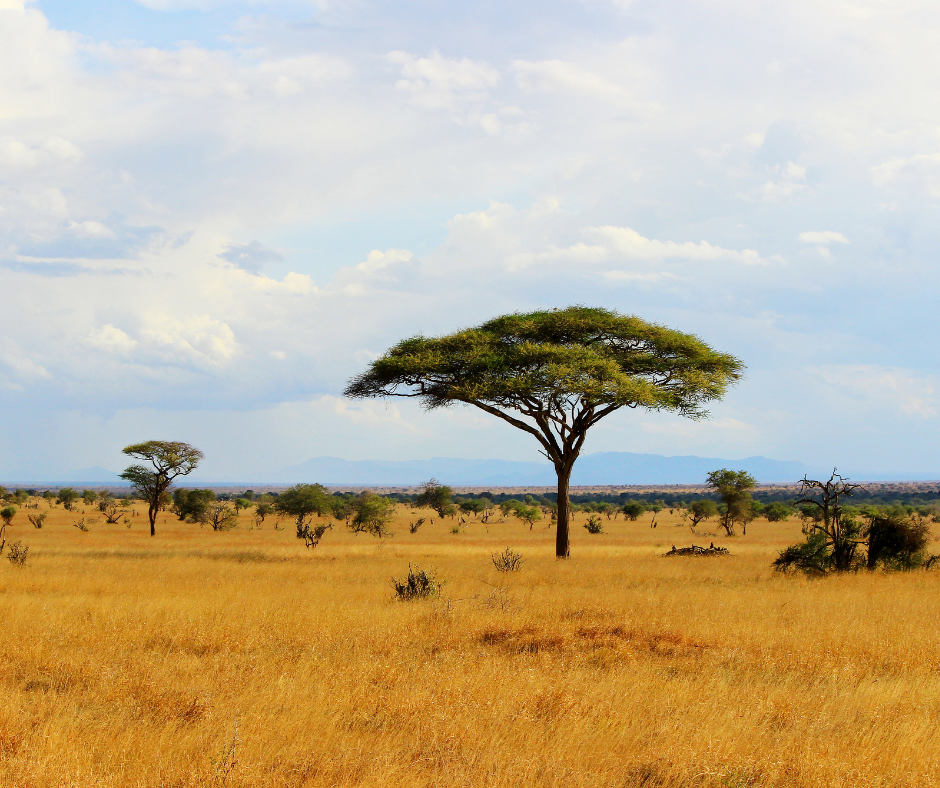
Dangers in Different Environments: The Grasslands/Savanna

The grasslands are beautiful. People often want to visit them, but there are dangers associated with these areas, too.

dangers in different environments

Lots of Predators

Many herbivores live in the grasslands. As a result, predators aren’t too far away. The predators are always within proximity of their prey, making this a dangerous area full of frightening animals.

Monsoons and Tornadoes

The weather in the grasslands isn’t always predictable. Unfortunately, monsoons and tornadoes can occur that will cause significant damage and put the lives of both humans and animals at risk.

You may notice there are primary dangers in all different environments. If you like to travel to other places to experience new things, it’s vital to understand these dangers while also planning to protect yourself. If you take the proper measures, you can enjoy traveling without worrying too much about the potential dangers that can easily put you at risk.

Other articles you may find helpful:

Preparing Your Homestead for Survival: Picking out Prepper Real Estate

Prepper Real Estate? What exactly do I mean by a homestead? Homesteading is a lifestyle of self-sufficiency. The goal is to support yourself using mostly, or only, what you can do on your own.

Prepper Real Estate

According to Wikipedia: Homesteading is a lifestyle of self-sufficiency. It is characterized by subsistence agriculture, home preservation of food, and may also involve the small-scale production of textiles, clothing, and craftwork for household use or sale.

Preparing Your Homestead for Survival: Prepper Real Estate

We are talking about creating a homestead for the purposes of surviving should the SHTF. Some preppers have ONLY a homestead that they currently reside on and some have one as a back up -that they move to when the time is needed.

We will be looking at both of these options over the next few months as I work on this series – and tips/tricks for both kinds.

The Price is Right

Cost is a factor for many people. You are trying to survive the here and now, yet plan ahead for a possible problematic future. Maybe you are one of those longing for a homestead for the fact that it is a smaller carbon footprint compared to what the average American does.

While the Homestead Act of 1862 was repealed in the mid-1970s, it was used to give out more than 270 million acres of land to potential homeowners. There still are a few states/areas that offer FREE land, mostly in the Midwest. They are more likely neighborhood lot-sized instead of 3-5 acres that you would normally prefer for a real homestead.

Free is usually a good thing, but you can work on other options. We have a list of a few things that you are going to want to consider before plopping down some serious cash for your new land.

Depending on how much work you want to put into it – you can usually get a lot more land and home for less money if you look at foreclosed on properties or even ones that are “fixer-uppers”.

This might mean hauling out a lot of junk. Repairing fences. Scraping and painting. Fixing sheds. You get the idea… you are trading money for your elbow grease.

As someone who has done everything from resealing a driveway to putting in a bathroom subfloor – to repairing and staining a deck, I tell you, it can ALL be done, with a little homework and patience.

Prepper Real Estate

Prepper Real Estate: Don’t go too small

A tiny plot of land isn’t too helpful if you are looking at making a real go of it.

The FREE land I mentioned comes in sizes like: 86’ x 133’, 155 feet wide by 93 feet deep, or 80 x 120 feet.

That isn’t enough land to have a house and livestock, along with a decent sized garden.

Also, it’s preferable to have a larger plot that you can fence off and get some distance between neighboring properties. Being in the middle of a subdivision isn’t going to cut it.

If you are getting land where you need to build a hone on it first, then make sure you plan accordingly for your home, outbuildings, animals, and garden.

Try to avoid rough terrain

When planning out and planting your gardens, you don’t want to have to remove a ton of rocks or trees.

When digging out for the foundation of your home, you don’t want to break your backhoe or bobcat on a boulder. (we did it landscaping at our old home).

You don’t want to have to get all funky and creative with house plans to accommodate strange elevation levels.

When looking at slightly larger farm animals like goats or cows, you don’t want them to go lame by faulty footing on uneven ground.

You also want to be able to navigate your homestead property on foot or in a smaller vehicle like an ATV or snowmobile, so don’t get something too difficult to move through.

free shipping banner

Your land can’t be “parched”

This is huge when looking at Preparing Your Homestead for Survival. Every living thing needs water. You need more than city water on your property. What kind of water source do you need?

You can certainly take advantage of a rain barrel or two, and use that for everything from watering plants to doing laundry. But what else can you look for?

Is there a creek or stream on your property that a neighbor can’t block off? Nothing is worse than thinking you have water and then the neighbor upstream takes it away from you when they divert it to take care of their own crops or livestock.

Do you have a spring? That helps build your own water supply and feed your own well. YOU will own that water source and that is worth more than it’s weight in gold in the long run.

There are fights over water right now, all over the county. The desert areas of Arizona, etc wanted water from the Great Lakes… but there are problems all over the world. He who has water, is King (or Queen).

Get a plot with some wildlife

Yes, you can plan ahead to have chickens, a pig or two, maybe goats, and even a cow, but it pays to have a little wooded area where you have enough natural livestock for hunting.

You don’t want too many large predators, like bears or wolves, but having some wildlife on your property can be great for hunting in a survival situation.

Think deer, rabbits, even squirrels in a pinch. On deer a year, when butchered correctly, can give you almost a year of meat to supplement your eggs, and smaller game animals.

Prepper Real Estate: Be in the Zone

While we are talking bout animals, is your property zoned for livestock. Currently, I live in a city where you can’t even have backyard chickens!

While zoning might not matter when the SHTF, it does now – while you are Preparing Your Homestead for Survival. We have to play within the current rules and regulations while we prepare for a time where there really aren’t any.

Do you have power?

If you are out in the country, are you on any public power grid? If that power goes out, do you have a backup plan? Can you do solar panels or a windmill? Is there a running water source to do an old-fashioned water power source?

While you can certainly get away without electricity and survive, it is nice to actually have it. It means that you are Preparing Your Homestead for Survival past the temporary use of generators.

Homesteading Electricity Options

Just because you’re technically off the grid – it doesn’t mean you have to go without power completely. We all know batteries are too expensive to store – unless you have rechargeable batteries with solar-powered chargers.

One thing you can do is invest in any gadgets that don’t require electricity at all, like and-crank radios, etc. But there are other options you can consider – such as solar, wind, and water generated power.

Prepper Real Estate

Let it shine with solar power

Solar power is the most common option that people think of when they consider moving from a dependency on an electric company. Solar panels can be pricey, but they quickly pay you back for your investment.

You can cook with solar ovens, charge your electronics with solar-powdered gadgets, and do just about anything that you would normally use with paid electricity. You can either buy solar panels or make them yourself.

Be careful about some of the crude do-it-yourself tutorials. You want things to work on a budget, but you don’t want to put your family at risk with a setup that endangers anyone.

Let it flow with hydropower

One option, depending on the property and its water resources are to create a hydropower system. You have to have a stream or river flowing nearby that has a nice drop in elevation for it to work properly.

Let it blow with wind power

Wind power is another option. You can install wind turbines that will generate electricity, but you need to live in an area that consistently delivers wind speeds around 9-10 miles per hour for it to work.

With all of these options, you have choices that range between crude, low-power producing products and extravagant products that leave you carefree and fully secure with a working system.

One thing that each homesteading family needs to do is determine how much power they really need. You’ll want to cut down on your electric usage – unplug appliances when not in use, turn off lights, etc.

Then you can better choose among the viable options you have to deliver enough power to provide for your family. If possible, make sure you have several choices on your property so that if there’s not a lot of rain, or the water flow gets stifled, or the wind dies down, you won’t be stranded without electricity.

Prepper Real Estate: Customize your list

When looking at Picking out the Right Land for your homestead, take our list, and add a few things of your own to it. What matters to you? What are you looking for? What size group are you trying to accommodate?

Here are a few more things to possibly add to your own list…. it is worth a quick watch.

Make sure that you have a full list ready and then, you can decide what you may or may not compromise on to find the perfect land for your homestead.

Other articles you may find helpful:

Preparing Your Homestead for Survival: Build Your House with Security in Mind

Build your house with security in mind? If you are lucky enough to be able to build your home from scratch, there are a ton of things you can do to build your house with security in mind.

Build Your House with Security in Mind article cover image with a picture of house plans with a security system

Ideally, if money were no object, just think of all the things you could do! As long as you focus on the big three things, you will be fine. Make sure it is easily protectable, has a good shelter, and that you build it with strong materials.

Preparing Your Homestead for Survival: Build Your House with Security in Mind

We have already talked about finding the perfect land, from location to what you need to look for, as well as making sure it isn’t too far from civilization, but yet far enough out to be safe.

When looking at actually building that home – or if you are looking at land that has one already, you need to think about defense.

Easily protectable

Home invasions are a very scary and very real thing. However, you can take steps to avoid having your home invaded in the first place, even if you’re bluffing. The first thing you want to do is try to ward off any would-be criminals – especially desperate ones during a SHTF situation.

This can be achieved by having plenty of warning signs out in your front yard such as “beware of dog” and “Protected by [security company].” There’s nothing a burglar hates more than a loud dog that draws attention to them, and can even attack them.

Even if you don’t have a dog, put that sign up. Similarly, even if you don’t have a security system installed, you can still put up a sign and they won’t want to try to call your bluff.

You can put up cameras to really make sure they get the message – even if they’re not real. You can buy fake cameras that have real recording lights and everything on Amazon for $8.

You just have to screw it on somewhere and put two AA batteries in it and it will ward off most criminals. You can get multiple ones by all of your windows in order to ward off attackers from any angle.

Of course, it’s always best to get the real deal when it comes to a protective dog or a security system. But for those on a tight budget, it’s better to invest in fake security than having nothing at all.

You should also make yourself a less assuming target. If you leave out tons of expensive potted plants, they might get the hint that you have extra money to spare, making you a target.

Some people mistakenly think that a welcome mat or funny sign warning, “This house is protected by the second amendment” will ward off criminals. In fact, criminals will only see this as a house with some expensive and easily pawned assets.

So, is that house going to be easily defensible? Should the SHTF and you need to be on your guard, there are a few things to consider:

Are there places to hide?

Sometimes, it is best to make yourself invisible when trouble comes. When things go bad, there will likely be more people who mean to do you harm than there will be people who are prepared. Having a panic room or shelter, that is fully stocked for short term, is something to think about.

Tons of preppers talk about hiding supplies – from food to guns. They bury them, build false walls, have huge safes, etc – but they forget to hide one thing; themselves.

If money were no object, these would be some amazing options! A little creativity and research is all you need!

Sadly, this is extremely important for females. Rape is no joke and it is usually a crime of both opportunity and control. Depending on the situation – women could become a commodity and the last thing you might want is your teen daughter being taken off to become someone’s wife or plaything with force.

Whether you go for the underground shipping container concept, or have a panic room, just make sure you are able to hide ALL the things (people included) that are important to you.

Is there plenty of cover?

Nothing screams target like a person walking in an totally flat and open area. We mentioned how you want to have land that isn’t too crazy or uneven, but a few trees, well placed ditches, even a few fences or stone walls can make all the difference if people are trying to take a shot at you.

Can you defend both inside and outside of your home?

In our talk about defending your property, we touched on snares, log traps, spike pit traps and more. These are things you can put in place for the outside of your home, around your property. Just make sure all of your group is aware of each and every location so they can travel your land in the dark safely.

If you want to Build Your House with Security in Mind, make sure you plan your landscape accordingly.

As far as the inside, if you are looking to Build Your House with Security in Mind, we need to focus on simple things like smaller windows, no sliding glass doors, a 360-degree view of the property, easy roof access, and more than one escape route.

That all allows you to eliminate easy ways for people to breech your doorstep, make sure you have a straight shot at any threat, and are able to bug out if it becomes absolutely necessary.

How to Fortify Your House

We have a FREE printable worksheet for you to add to your Homestead Binder – 5 ways to fortify your house!

A shelter always comes in handy

Not every prepper has an actual house on their property. Some use a cave, some create an in-ground shelter, some use the shipping container method.

Realistically, you need to consider your climate and the weather you are going to experience, and then create a large enough place to hide out bad storms or other serious events.

If you do have a house, you might want to create a shelter where you could ride out bad storms or other serious events that could harm your house – like a tornado shelter if you live in Kansas.

Build Your House with Security in Mind: Build it with strong materials

Whether you plan to Build Your House with Security in Mind or even a temporary or emergency shelter, you need to build with with durable materials.

You need to think of things that help increase the security of your house and can do several simple things to accomplish that.

We have talked before about how a majority of people will be deterred by signs that you have made an effort – you need to kick it up to the next level for those that aren’t so easily deterred.

Use steel door frames over wood. Wood is easy to break down, even if it takes a little effort, but steel is a lot more challenging to breach.

You can take inexpensive measures to ensure that your home is safe. For example, a Master Lock security bar can make sliding doors and hinged doors practically impossible to break into without causing a huge racket. They only cost around $20, and are a wonderful investment. You should always lock your windows, and you may even consider using one of the previously mentioned security bars to make sure they can’t open your windows without shattering them

10 Easy & Inexpensive Hacks to Burglar-Proof Your Home Video

Keep doors and windows locked, add security cameras, and consider solid police locks to bar doors and windows from the inside.

Not only can this help increase the security of your house, it is great at preventing common criminals from breaking in.

Don’t forget the garage! The majority of garages have a hollow-core door that leads right into the home. This might be one of the first things you want to check in to doing.

How To Prevent Break Ins Through Your Garage Door!

Being proactive is so much easier than being reactive in a bad situation so taking the time to plan ahead can make a world of difference for your safety.

Other articles you may find helpful: