Keep Within Some Distance of Your Home? This is important for so many reasons but mainly to be able to access your homestead when you actually need to if there is a disaster.
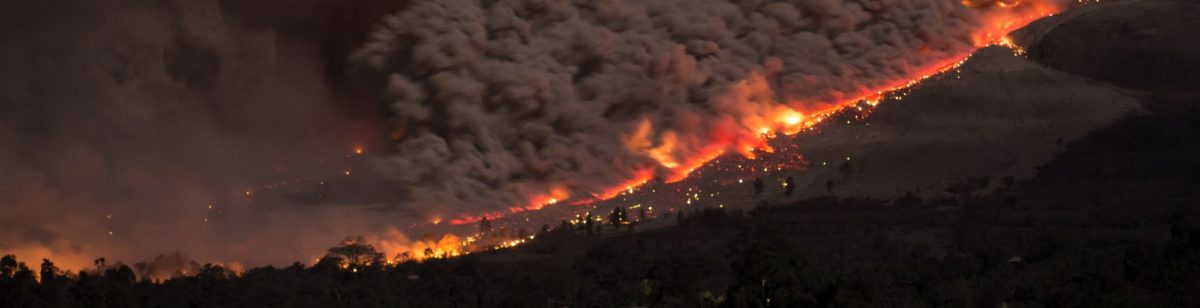
Your first step in your own disaster preparedness should be to find out what types of emergency situations you need to get ready for. Take a few minutes to review the types of disasters your area is prone to. This is particularly important for a natural disaster.
Preparing Your Homestead for Survival: Keep Within Some Distance of Your Home
If you live in Florida or the South Easter US coast, you should prepare for hurricane season. If you live in the North East or south of the Great Lakes, you should get ready for big snow storms. If you’re in the Mid-West, or South West, chances are you’ll come across a tornado or two. In California, you may prepare for earthquakes.
Next, think about possible man-made disasters. If you live near a dam, you may need a plan of action for flooding. If you live near a nuclear plant, you should think about a way to get out quickly if something were to happen at the plant. You get the idea. What disasters we prepare for will be different for a lot of us and what sort of emergency plan you have will depend on those variables.
Once you have your list of disasters that you need to prepare for, it may be a good idea to consider if and when you would try to prepare to stay at your home and ride it out, and when it may be time to evacuate. Obviously, those decisions may be outside of your control, such as in the event of a mandatory evacuation, but there will also be plenty of times when the decision is up to you.
Think about what makes the most sense to you and your family. If you are able to stay put, you can take care of issues as they pop up and prevent further damage. If a storm blows out a window, you can board it up and prevent water from coming in for example. At other times, it may be safer and more convenient to get out of the disaster’s way.
These are all things to consider when planning where to place your homestead. There are a few other reasons to make sure you keep within some distance of your home if you aren’t living on your homestead full time.
You have to keep your homestead clean
Proximity to your homestead is essential as you’ll be making somewhat regular visits to your property to make sure it’s all in order. You will have to make sure no one is squatting on your property. If you have a place that looks inviting, yet abandoned? It seems like an open invitation to visit.
Squatters are a real problem -and they thrive on it!
Squatting 101 – an actual video teaching people how to do it!
You don’t want to put all that hard work into your property to have someone else rifle through your belongings and eat your stored food. It would be a paradise to them and a disaster for you.
You will want to visit often to make sure the flora is trimmed down enough, etc. Again, that will help prevent the abandoned-property vibe that may seem an invitation to others.
Catching problems quicker is important too. I had a friend who had a leaky pipe – that actually froze in winter and became a broken pipe. That broken pipe caused an awful lot of damage that was not only costly to repair, but created a horrible black mold issue.
Don’t want to go too far in an emergency
We have talked about how you will want to get out of the city – be away from the crowds in a SHTF scenario. Ideally, you will want to be able to escape on about a tank of gas. One tank.
Yes, this is a good time to talk about living off the top half of your gas tank. Never let your gas go below half full in your vehicle’s tank means you never have to be in that desperate line at the gas station in an emergency.
Gas stations will be too crowded in an emergency because the average person will be in line, trying to fill up their tank so they can drive to anywhere but there. Driving way far out from your original location would be a gamble if you can’t do it in one tank of gas.
Why you don’t want to run out of gas – it’s bad for your vehicle! – he cracks me up but knows cars
Before you let that freak you out – let’s talk about how many miles that might be. I have a 2018 Kia Sorrento. It has an 18.8 gallon gas tank and gets 21 in the city, 28 on the highway for milage. )
That gives me 394 miles on the low end – and 526 on the high end. That is if I have a full tank of gas and run it until I am just about empty. Cut that in half if I live in the top half the tank theory.
That means my destination should be within 200-300 miles tops from my location…a 2-3 hour drive.
If I have to walk? It can be done in a day or two. It is yet another thing to consider about trying to Keep Within Some Distance of Your Home.
What does your homestead need?
Get our FREE Printable Resources that you need to have worksheet to add to your homesteading binder!
More familiarity
The more time you spend at your homestead, you’ll be more accustomed to the basic conditions.
Weather
You will have an idea of what it is like under all weather conditions. You will know roughly where the snow is prone to drift. What areas of the field flood when it rains too hard or too many days in a row. You get the idea.
temperature
You will also get a feeling for the different temperatures that the location holds. Is it much cooler in the shade than the open areas? Are parts of the stream cooler than others? Is it so incredibly cold in the winter that you will need a decent stash of extra warm clothing items and possibly additional wood to burn?
Wildlife
Frequent visits will also clue you into the wildlife you find at your homestead. Do deer go through it often? What other small animals do you see? Are there larger animals that you need to be aware of like bears or cougars? Are there a lot of rodents that will be counterproductive to your gardening efforts? These are all things that you will be able to observe, if not by seeing the animals as they visit, but by seeing the traces they leave behind.
If you Keep Within Some Distance of Your Home when planning out and preparing your homestead, you won’t have any surprises when the SHTF.
It is time to talk about the ability to Defend Your Homestead. A home invasion is scary, traumatic, and can even be life-threatening. You want to be prepared to protect your home from an invasion by preventing it from happening – especially during a crisis situation.
In order to do that, you have to make sure you’re prepared and you have to make it difficult for your home to be a thief’s target. If the intruder gets in, then you’re going to have to go into hostage survival mode – and you never want to have to go through that.
Five Ways to Defend Your Homestead
1) Defend Your Homestead with Deterrence
Threatening signs and things like that can drive away less brave intruders before they even try, they tend to be more about the opportunity than the effort.
If you’re on the fence about installing a home alarm system, you should know that homes with them are almost three times less likely to be burglarized than homes that don’t have a system.
Alarms Are a Home Invasion Deterrent
During a crisis, desperate people are going to want to target the easiest in and out home to rob. You want to make sure that’s not your home. Sometimes, simply knowing that a home has an alarm system is enough to ward off a would-be thief.
While he might want to rob, he doesn’t want to escalate his chance of getting caught. Some survivalists think that in the event of a widespread catastrophe, the police won’t show up for a home invasion, or if they do, the time it takes them to arrive could be too long.
While this could be true, you still want to have an alarm. The reason is that an alarm system can alert you and your family members that someone has entered the home. While this may seem like a retroactive step when you want to Defend Your Homestead, it is important.
This will help prevent you from accidentally stumbling into a situation where there’s a desperate thief inside your home. An alarm can also help prevent you from being surprised awake in the middle of the night by a thief because as soon as the monitoring points are interrupted, the alarm will sound.
In the event that you’re dealing with a situation where you don’t have any electricity, a home alarm system can still be helpful. There are many models that come with battery backup so that even if there’s no electricity, the alarm will still work as long as you have batteries.
Some people think that the only good alarm system is the monitored kind but that’s not true. Plus, in a crisis situation where’s widespread chaos, and matters of life and death, a home burglary isn’t going to be high on the list.
However, you can choose to use an alarm system that does exactly that. Alarms you or the neighbors when someone breaks into your home. There are systems that can be set to create such a loud noise that the neighbors will be able to hear it go off.
These are ones that have a loud siren or horn sound that carries for some distance. You can find these systems with backup batteries or battery-only operation so they’re perfect for use when there’s a power outage.
People are torn about using the warning signs that tell thieves you have an alarm system. If your alarm is fake, then the signs might deter a would-be thief. But if you have a real alarm, you’d rather not alert them about what kind you have, in case they’re adept at disabling the system.
Lighting Can Drive Thieves Away
One of the biggest mistakes that people make in the area of preventing home invasions is having poor lighting. Most crimes don’t take place in broad daylight. Instead, they happen in the evenings when it’s dark out and difficult to determine a shadow in the yard from a human being.
Poor lighting, whether it’s inside the home or outside, can be an invitation to thieves. You don’t want to give them shadows to hide in. That makes it easier for them to be able to approach your home.
Defend Your Homestead! You don’t want them to be able to get that close. The closer a thief can get to your house, the higher the chance he’s going to attempt to break-in. Remember that light is not a thief’s friend.
The more of it you have, the less likely your chance of your home becoming a target. You’ll want to start with outdoor lighting. Starting with the edges of your property, you’re going to want to put up floodlights.
These are lights that are powerful enough to radiate over a great distance than normal lights. Floodlights should go on each of the corners of your home and you should make sure you buy the ones that are motion activated.
This way if someone comes near, the lights will switch on – but they’re not intrusive to neighbors or yourself if no one’s on the property. Most of them can be set so that they’re not triggered by the action of small animals.
Most people are pretty good at lighting up the back of their house. They’ll have floodlights and make sure that the back door has a light. But contrary to popular belief, thieves will not always head for the back of a home – especially if you live in an area where your neighbors aren’t too close to you.
Thieves will boldly approach the front of your home and they’ll ring the doorbell. If no one answers, they’ll attempt to break-in. However, if you have a motion sensor light on your front porch, that’s often enough to make the person turn around and leave.
The front of your home should be as well lit as the back of your home. And completely dark homes can be an invitation for a thief. If you’re used to watching television in one room late at night while having the rest of the house dark, you’ll want to rethink that strategy.
Yes, it costs a little more in electricity. But leaving a light on another room of the house, especially bright light, signifies to a thief that multiple people are in the home and that they’re awake and alert.
Thieves will choose the darkened home over the lit one. They’ll take the home that doesn’t have outdoor lights over the one with floodlights as well.
2- Defend Your Homestead with Traps
Whether you are talking about tripwire alarms or physically harmful traps that will freak intruders out they will still drive them away once they trip/spot them.
You want to protect the parameter of where ever you’re living before anyone can breach the interior of your place. The best way to do that is by setting up booby traps that stay armed and ready to fight off a thief for you.
Set Up Booby Traps Ahead of Time to Prevent Theft at All Times
How do they help you Defend Your Homestead? These booby traps can also alert you if anyone trips them, which will allow you to be prepared to fight back instead of being taken unaware. You can easily fashion an inexpensive set of tripwires to protect your place from thieves.
You’ll need electrical tape, a fishing line, and firecrackers such as champagne poppers. You can dump the gun powder out of the firecracker into the igniter and use electrical tape to put it together with the fishing line.
Make sure you leave the length of the fishing line to stretch across whatever space you want to cover it with. Tie each end of the fishing line between two small stakes in the ground and camouflage those stakes.
When someone breaches the tripwire, there will be a flash followed by a loud bang which can scare a would-be thief off and alert you. Some survivalists use what’s called a swinging log trap.
How to Make a Swinging Log Trap
You use two pretty heavy pieces of wood or logs and have each on separate sides of the walkway or trail. When someone trips the rope, the logs swing in unison and hit the person on either side of their body.
You can also use spike pits by digging holes in the ground and placing large spikes sharp end up. When a thief steps onto whatever is covering the opening, the covering collapses, and the thief gets a nasty surprise.
https://youtu.be/5aSBAGh4bnw
How to make a spike trap –
Some booby traps can be simpler. You can camouflage a rake with the hard tines pointing up. When someone steps on the rake tines, the handle will swing up at them. If you’re concerned that a thief might make it past your booby traps and reach your door, you can set it up so that if they pull on the knob, they get doused with a bucket of something that won’t be pleasant for them.
You can use chemicals, nails, or paint. You can also set up a trip wire using a pepper spray type alarm. If the thief trips the wire, he’ll get doused with pepper spray. Just make sure you only use booby traps in a SHTF situation and not when life is peaceful and no one’s expecting to encounter hostility.
3 – Armed defense
Using firearms or nonlethal weapons to attack intruders directly is another way to Defend Your Homestead.
Protecting yourself is one of the most basic human instincts, and in the dangerous world we live in today, it’s important to know how to do it. However, you may not always want to kill or seriously wound your attacker.
While you are legally allowed to protect yourself, some states have laws against using a knife or a gun. But you have to weigh the law against the odds of whether or not you’ll survive the attack if you don’t use the weapon.
Defend Your Homestead with Non-Lethal Self Defense
If you’re looking for a way to fight back that uses non-lethal means, you can do that using a few different means. You can engage in self-defense moves that are effective at subduing an attacker.
Hand to hand combat
You can learn these moves through self defense classes, through online videos, home DVDs or through books. Some of these moves involve common ways to defend yourself and to fight back.
However, other self defense methods involve knowing where the pressure points are in a person’s body. If you use this method, you must know what you’re doing in order to take down your attacker.
By hitting a pressure point, you can cause the other person to experience pain, knock them off balance and render them unable to fight back. If you press a pressure point the right way, you can cause your opponent to experience spasms, confusion and even render him unconscious.
You can use your fingers to learn self-defense using pressure points but you can also use pressure point tools. Tactical pens are good for self-defense when you want to use non-lethal means.
There are many other ways to protect yourself in a non-lethal way, including stun guns, Tasers, and pepper spray. Stun guns are one of the most common forms of self-defense.
Stun guns
A stun gun usually has two prongs on the end of it that transmit a non-lethal dose of electricity through them. These stun guns are effective because they take advantage of how the human body actually works.
Your body’s cells use electricity to communicate with your brain and muscles. Sending an extra jolt of electricity through your body causes your muscles to contract and expand against their will.
This is ultimately harmless, but at the time, will be very painful and immobilizing for your attacker. The most common stun gun company is Vipertek, and they make many reliable and inexpensive stun guns available on Amazon.
Pepper Spray
The other most common form of self-defense is pepper spray. Pepper spray is, as the name implies, a spray infused with pepper and other chemicals, notably oleoresin capsicum, or OC.
OC is derived from cayenne peppers, and it works even better than tear gas, because tear gas won’t always stop victims who feel less pain, such as drunks and druggies. OC will cause temporary blindness and restrict the victim’s breathing, while not cutting it off completely.
The blindness will last at least 15 minutes – 30 at most. The burning feeling lasts 45 to 60 minutes, the coughing from it getting in your lungs lasts up to 15 minutes. These combined factors give you more than enough time to make your escape while your attacker is incapacitated.
One of the best companies for pepper spray is SABRE. SABRE is used by some of the largest police forces, including NYPD, LAPD, and Chicago PD. SABRE combines the tear gas mentioned earlier with the OC to create a perfect defense weapon.
It also includes a UV dye, so that the suspect can later be identified by holding up a UV light, without him knowing that he’s been marked. You can also get a pepper gel from SABRE, which works the same as pepper spray, but it sticks to your attacker, making it safer to use indoors.
Pepper spray may be a better first line of defense over the stun guns, due to the fact that they have a much longer range. Finally, there is the least common form of self-defense – a Taser.
Tasers
Taser is a company that makes an advanced, long-range version of the stun gun. Tasers are legal in 45 states, so make sure you check the legality of Tasers in yours. A Taser is a small weapon that fires two little prongs, much like the prongs attached to the stun gun, which stick into the victim and shock them.
For non-law enforcement consumers, the maximum range for a Taser is 15 feet. This is still plenty of room, and the Taser will lay anyone and anything out completely. It’s essentially a much more effective stun gun.
The only downside to the Taser is its price tag. A Taser will usually run you about as much as a regular gun costs. However, this does not stop them from being very effective pieces of self-defense technology and it’s perfect for those who have a moral problem killing another person, even in self-defense.
Defend Your Homestead with Lethal Self Defense
Lethal forms of self-defense are the quickest way to stop an intruder or attacker. Sometimes, all it takes is seeing that you have a lethal weapon to make the other person run away.
Intruders and attackers are counting on being the victor, not the victim. Knives – such as combat blades, hunting knives, and military knives are quick tools that can incapacitate someone who wants to harm you.
Though some people like to use folding knives, just know if the knife fails to flip open, your opponent can then get the jump on you. Make sure the weapon you choose is one that you can count on.
Guns are one of the most effective lethal force weapons you can own. You’ll want to have a gun that you’re familiar with. While handguns are more popular for use with in-home self-defense, rifles and shotguns are also good weapons to have on hand.
Not all rifles are good at stopping intruders because they don’t pack the same power that other guns do. A 12 gauge shotgun is designed to stop whatever the ammo hits, but it has a strong recoil.
If you use a revolver, you want to have a .357 or a .38 special. One of the more popular guns used by survivalists is the Glock. This 9mm has low recoil and they’re known as good home defense weapons.
4 – Extra structural security
Stronger door frames, more complex locks, barred windows, and similar home upgrades can stop intruders who intend on breaking in – the trick it to install them before you actually need them.
When the world is in chaos, a thief will be more determined than ever before to get in and take what he needs. He’ll use whatever means necessary to get into your home. Most people believe that their homes are thoroughly secured through the use of deadbolts.
Consider Upgrading Your Locks
Sadly, this isn’t true. A determined thief can walk right up to your door, and with a few hard kicks, break right into your home. The reason a deadbolt or even several deadbolts just won’t do the trick is because a thief knows how to get around these types of locks.
A deadbolt can be drilled through in less than two minutes!
The deadbolts might be strong and hold up, the but wood in the door will not – and neither will a flimsy door frame. They’ll cave under the repeated onslaught of kicks or battering.
Multiple locks and adding a deadbolt isn’t the answer. Get a better door and a better locking system. You need to consider using steel doors and locks such as police locks. These types of locks are named because they’re highly resistant to break-ins and work differently from a standard lock.
They’re made to withstand a lot more force than ordinary locks. These are locks that are created to form an angle that allows the door to be backed with the power of the floor strength.
They can hold against a lot of pressure based on the bracing and angle of the lock. You place these types of locks with the foot on the floor and the brace under the doorknob.
They come with a steel bar that sits at an angle between the door and the floor. The door is held in place by a space on the bar which then braces the door. The other end of the bar goes against the floor.
The angle of the bar is what prevents a thief from being able to enter your home. You can also find police locks that are smaller, longer, and still able to prevent the door from being forced open.
You can also use a crossbar-type police lock. With this type of lock setup, you would mount brackets on either side of the door which supports steel bars that brace the door and prevent it from being opened.
This type of lock easily moves to allow you to leave your home when you need them out of the way. You might also want to consider making sure you protect your garage entry. Many thieves who can’t get into a home through secured doors will try to get in through a garage.
Many survivalists store their food and other survival supply items in their garage. To protect this area, make sure your garage can’t easily be broken into. You can use a lock similar to a vacation lock, which prevents the door from being opened.
Having a Gate Can Be a First-Line Defense Against Home Invasions
When it comes to security, too many people think of the home as the first line of defense. It’s not. You might think that the property or the yard around your home is the first line of defense, then, but that’s not it either.
Your first line of defense against home invasions is a gate. Having a gate can bar a would-be thief and prevent him from coming onto your property in the first place. A gate signifies to a thief that there might be something in your yard that you’re trying to keep from getting out – such as a dangerous dog.
It adds an extra layer of security that thieves don’t want to take the time to figure a way over or around before they can get to the actual house. You don’t want to use just any type of gate to prevent access to your home.
Choose a gate that clearly has your safety in mind. This would be a gate that has the means to thwart a would-be thief. The type of gate that you need to use would be the kind that’s not easy to scale and makes a thief think twice.
That would be a gate that has sharp spikes at the top of it. Gates with these spikes have the potential to snag the clothes of as well as injure a thief attempting to climb over them.
These spikes have the ability to puncture the skin, go through muscle, and do some pretty serious damage. They’re known as anti-climb gates. You can buy them and simply replace the gate that you already have with one of them.
However, if you can’t afford to replace your gate, you can take steps to make the current one less friendly to people who’d want to think about going over it. What you can do is to add small razor spikes right across the top of the existing gate. When a would-be thief sees those, he’s not going to be as likely to try and climb over them.
A big mistake that people make when it comes to trying to prevent a home invasion is having a solid gate or an anti-climbing one and then not locking it. If you have a gate and leave it unlocked, that’s like an open invitation.
Secure the gate using the latch made for it – but you might want to add another layer of protection to that and add a chain and a padlock. By adding layers of security around and in your home, you can prevent your family from having to experience a home invasion.
5- Use the land to your advantage
Dangerous plants and animals that will trip up or harm intruders on their way in will convince them that it’s not worth the effort. This can be anything from very thorny bushes close to the house and under the windows or getting a dog.
Statistics show that noise is a great theft deterrent. Sometimes, all it takes is a barking dog to make a thief decide to bypass your home and break into a different, dog-free home instead.
Guard Dogs Can Prevent Home Invasions
Dogs know when something isn’t right. They’ll realize that someone is near your home (and shouldn’t be there) before you ever will because they can hear things before you’ll ever hear them. They are a great way to Defend Your Homestead.
Plus, thanks to their keen sense of smell, dogs can also pick up the scent of a stranger. Not only will a guard dog alert his family to the presence of a possible thief, but he’ll defend you if he needs to.
But having a guard dog means it usually doesn’t get as far as needing to be defended. Some people have small dogs like Chihuahuas and poodles. These dogs can alert you to the presence of a would-be thief lurking near or on your property.
However, small dogs are not always intimidating to thieves. A determined thief will take his chances if he sees a dog he thinks he can manhandle. A thief will often check out a house before he decides to break in.
He’ll peek into the window to see if anyone is home and what kind of valuables he can spot. If he spots a guard dog, especially if it’s one like a Doberman, a pit bull, a Rottweiler, or a German shepherd, he’s not going to want to deal with that.
Large dogs can make great home invasion deterrents because their sheer size frightens people off. These would be breeds such as Great Danes, mastiffs, wolfhounds, or Saint Bernards.
Though these dogs are sometimes sweet-tempered, and gentle, they can be protective and are diligent when it comes to warding off would-be intruders. If you’re sound asleep and your dog starts barking, this can alert you to potential danger faster than an alarm system can.
Because with an alarm system, the thief has to breach the defensive line. With a dog, he doesn’t. Any dog is instinctively protective when it comes to his family and his home. However, you can also train your dog to act as a guard dog even if he’s no longer young.
Any age dog and any breed can be trained to protect your home from a break-in. You can hire someone to work with your dog to train him or you can do it yourself using online tutorials, books, or other training materials.
Most dogs do need some training, as do the owners, to keep them from making common mistakes that would impede their dog’s ability to prevent home invasions. For example, most people make the mistake of telling their dog to be quiet when it barks at strangers and that’s not a good habit to have.
Instead of telling the dog to be quiet, praise the dog and give him a treat when he alerts you to a stranger. You also want to be careful about getting a dog for security if you have children in the home.
When we talked about Picking Out the Right Land, we mentioned looking for roughly 4-5 acres when searching out a plot. The reason for that was we were looking at the fact that you need to consider your family size when looking for a homestead.
How many people are in your family? Will you be adding any extended family members or close friends to your living situation? These are important things to know in the beginning planning stages.
You need to look at your home, an emergency shelter, your livestock, and garden space…
Consider Your Family Size When Preparing Your Homestead for Survival
Families who begin preparing for chaos and disaster (or even self-reliance) can prepare a home on any end of the spectrum – from a crude bunker that’s just enough to protect you from immediate harm, to a lavish homestead that anyone would love to live in even during normal times.
Safe rooms are becoming more popular in everyday houses, but some preppers take the safe room mentality and turn it into an entire safe house option. Every room is built like a safe room – protecting you from intruders, weather, and offering plenty of room for storage of supplies.
You can have an above-the-ground homestead or have one build below ground, kind of like a basement – only the entire design is built underground, offering more protection due to the fact that it’s cloaked a bit better.
You can build small cabins out in the woods, or full-on hard to enter shelters. The key is to find a property that provides the best options for you as a prepper. You want something that’s easy to access for you, but not so easy for others to locate.
Ideally, it will be near a city, but not right in it – giving you enough space to live freely without intruders. You also want it to have great soil for growing foods and if possible, its own water supply.
There are some communities springing up where you can buy land and live with other preppers. The home plans will be up to you. In addition to having plenty of room for your family and storage room for supplies, you’ll also want to build other structures on your property.
A chicken coop is a popular item for preppers, and some families even have a rabbit coop. You may also want to build an entire barn if you’re going to house dairy cows, pigs, goats, and sheep. Some families even build a smokehouse to prepare and store meats.
A greenhouse may come in handy if you plan to grow foods outside year-round. You can have small ones or large ones. Of course, you have to plan properly so that your property has enough room for all of your structures.
You can get free plans for building all of these items online, or you can have a builder customize a plan that works best for you and your family. If you’re going to make this your permanent residence, then you may want to go that route so that it’s exactly how you want it to be.
Make it Just Right
House should only be as big as it needs to be. Forget the McMansions as they are not only a hassle to heat or keep cool under dire situations, but they are taking up valuable land space that you could use for necessary living items.
You don’t need something extravagant, but you should get it just big enough to house your immediate family and potentially some close friends or extended family. Figure out how many people you are going to house, and then plan on rooms for your food prep, food storage, relaxation, and maybe a library or homeschool set up.
You want something large enough that you are not all on top of each other and driving each other nuts, but small enough to easily take care of without a lot of fuss.
Shelter in Place
Get a sizeable shelter for emergencies. Occasionally, when the SHTF, you might have marauders. We will talk about self-defense and protection more later, but we are looking at a “panic room” of sorts. Somewhere you can lock yourself in, ride out a storm safely, and then go back out to deal with the aftermath.
You don’t want everyone crammed together in a tiny shelter, especially if you’re there for extended periods of time. I talked about shipping containers before and they can make for a great option – and are easy to put underground with a hard-to-find entrance.
I know this seems over the top – but there are so many different things to consider when looking at all of this.
One thing we learned from the riots of 2020 was that everything burns. You would hate to be holed up in your house and have them set fire to it, trapping you inside.
I may have seen too many doomsday type movies, but that seems like the worst possible way to go out – at least to me.
Stock It Up
Make sure you’ll be able to provide for all you are taking on. This means enough room for food and water storage for everyone. That is why it is important to consider your family size!
In your panic room/shelter – it can be as simple as bottles of water and MREs. But in general? We need to talk about how to be self-reliant for food. We aren’t going to be doing the weekly grocery shopping so it means planning for your animals and garden.
Generally speaking, 200 square feet of garden space per person in your family will allow for a harvest that feeds everyone year-round. So, for an average family of four, plan for an 800 square-foot garden—a plot that is 20 feet by 40 feet in size should do the trick.
How much food are you going to need to can for long term storage? Will you be dehydrating things? Freeze drying? Smoking meats? When you consider your family size, all of these are items you have to consider.
You need to look at planting the big five and then rotating around other items that you can seasonally. The big five are potatoes, corn, beans, winter squash and perhaps grains such as wheat.
If you are going to have livestock, you need to figure out what you want to feed them and see if you will have enough land to do just that. You also need to account for the land you will need to shelter them, let them graze, and get them exercise.
Switch it up
If you are a little shy on land for your gardens, look into vertical gardening, container gardening, using pallets, and so much more. There are ALWAYS alternative ways to accomplish your goals. Consider your family size, and the age of everyone to figure out how much food you will actually need.
Find your peers
May I suggest you join a few online groups for homesteading to talk to people who are actually doing what you are planning to do? They might have additional insight into what you are looking at or see as a potential problem.
Consider Joining a Prepper Community
Sometimes the mainstream media demonizing the prepper community – they act is if they’re extremists. You don’t have to tell a soul about your preparations, and in fact you really shouldn’t broadcast it because in the event of a true emergency, you don’t want panicked people coming after your supplies.
A prepper community, though, can give you that camaraderie that you seek as you make preparations to survive through a disaster – or simply live without relying on mainstream services like electricity.
There are three levels of prepper communities that you can participate in. You might start off in one and then advance to something else as you learn more about this lifestyle. There are meet-up groups, online forum communities and membership sites, and local communities that you can live in if you’re approved.
Ultimate Homeschool Planner
We whipped this gem up for you to help keep track of everything you might need to know so you can stay organized. Hands down the largest challenge are staying on task/track when homeschool planning.
If you are looking for homeschool planning pages then we have you covered with a daily lesson plan pages set as well as a printable homeschool calendar.
Get your FREE Printable Homeschool Planner from us here:
Online forum communities and memberships are the first level of interaction most people have when they’re actively seeking to learn about prepping and survivalist ideas. You can use phrases such as “prepper tips” or “survivalist forum” to find like-minded people to communicate with anonymously.
There are even specialized membership sites, such as prepper dating sites where men and women who both share the same prepper lifestyle can meet and begin dating or forming a romantic relationship online.
Meet-up groups
Meet-up groups are local groups or groups that host seminars and events in a specific location so that people can get together and view products, share strategies and discuss concerns about the community and its movement.
Some groups actively meet up to form disaster plans as a group. For instance, in New York City, there’s a group of survivalists who have plans to help one another during an event. Because space is limited in the city for storage, they all make a commitment to storing certain items – enough for the group during a disaster.
Local communities
Local communities to live in are sprouting up everywhere. Land is being purchased for prepper families to move into but many of them are very picky about who joins, requiring you to have a certain amount of items stored up, or bring something to the table that the community might need – like the skills of a doctor or a tractor that can be shared.
You can also form a prepper community with people you meet and enjoy on your own. All of you can purchase property beside one another and form your own closed community.
Don’t be intimidated
Keep in mind that you are not alone in this. You are not the only one to do everything from collecting the eggs to weeding the garden. You have other family members who will be there right beside you. It might be like those old hippy communes of the 60’s – 70’s, but without all the Kumbaya.
Finding a new home? Off-the-grid living is becoming more and more popular as people are looking for ways to live a simpler life. The off the grid lifestyle is not without its challenges, but many people have found that it provides them with happiness they were unable to find elsewhere.
In this article, we will discuss what you need in order to successfully make the transition from modern society into off-grid living.
All off-grid homes have certain things in common, such as solar panels or wind turbines that provide electricity without relying on fossil fuel power plants. Off-Grid Living has many challenges but can also be quite healthy and fulfilling.
Find the right land
To start with, you need land. That property you are looking for shouldn’t be too small. You will need lots of room for building a house if one isn’t present. You will also want space to build a few various workstations as well as saving a plot for farming.
Keep in mind that off-grid living requires some level of self-sufficiency – you will have to be able to grow your own food and produce your own fuel for heating, light, or machinery power in order to survive.
Finding a new home: Location – location – location
Your new home should be away from civilization. (moving too close to a city kind of forces you to be on the grid)
The best spot for electricity is near a stream. The old feed mills harnessed that power, so can you.
Some off-grid homes might not have a water connection, which means that their occupants need to carry all of the drinking and cooking water in buckets from natural sources like springs or creeks. This could be a challenge for those who are disabled or elderly because it requires physical exertion on their behalf.
Living on a beautiful piece of remote wilderness land is a dream for milions of people. But how do you make that happen? How do you find land to build your tiny house on, or your off-grid cabin?
What else do you need?
The big thing about off-grid living is that it requires some level of self-sufficiency. You will have to be able to grow your own food and produce your own fuel for transportation, heating, light, or machinery power in order to survive!
Finding a new home: Let the Sunshine in…
If you’re looking to live off of solar power, then your home should be in an area with lots of sun exposure (i.e., near the equator). North America has some great spots that are perfect for this purpose and not too far from civilization if you need supplies on occasion.
You can’t live off the grid without a plan for food. If you’re going to grow your own vegetables and fruits, then you need a spot where there’s sufficient sun exposure during all seasons of the year so that they’ll have enough light. You could also use this land as an orchard if that’s more up your alley.
Let us help you plan your budget
Get our FREE printable Finance Tips sheet to keep with you for your homesteading binder.
Look for fertile soil. Since there is a good chance you’ll be living off of mostly your farming, good soil that you can grow plants in is a major help. I could tell you a lot more here, but you have to decide what kind of gardening you want to do – check out Try To Garden for lots of tips and ideas.
Finding a new home: Are there trees?
Make sure that your land has plenty of trees and shade so you have a place to cool off from the sun when it gets too hot.
You will also want to harvest a few of them occasionally for firewood…which brings another challenge.
Time consuming tasks such as cutting firewood by hand which can take up to six hours a day and the knowledge to start a fire could be as challenging as you want it to be.
Gather Your Supplies
You want to make sure you have nothing electric. All of your supplies and items brought along shouldn’t use electricity for proper off-the-grid living.
A tent can be your off-the-grid home while you are building. They are inexpensive and portable, perfect for a temporary shelter that you may need to move from time to time.
Quick tip though: If you plan on living in a tent year round then it will require more insulation such as an army blanket or sleeping bag so you won’t have to freeze during the night.
Quality not Quantity
Bring quality tools. Not to knock Harbor Freight, but they are not exactly built to last. Grandpa’s gems were not all shiny and pretty but worked fantastically and held up incredibly well. You are going to want tools that are going to be able to be used for a long time.
This is especially important when you are going to be living off-grid. The average person will go through a lot of tools in their quest for survival, so don’t skimp on buying cheap ones that end up breaking and needing replacement.
Finding a new home: Roughing it
Hunting and cooking gear are key. You know how to make a fire and possibly work with a solar oven will be extremely valuable.
Buy or find some good cooking gear like pots and pans. You can also fashion them out of clay if needed, but you might want to research that a bit.
Bringing along a rifle with lots of ammo will allow you to take down large game that can feed your family for weeks.
Hunting is a great way to get food, but you have to be careful. If the area where your off-grid home is located has hunting laws that prohibit hunting, then this might not be an option for survival.
If hunting is off the table, and keeping food off of YOUR table, then look at learning how to make snares and traps!
Let’s Get Cooking
Consider Using a Solar Oven to Cook Food. Building your off-grid home in an area that has plenty of sunlight is critical if using a solar cooker! If all else fails, this could be your last resort for cooking large quantities of food over time. A solar oven can cook food fairly well without using any power or fuel source. That lets you save your wood for heat purposes.
A camping stove would work also.
There are many brands to try, but I like Solo Stove. The Solo Stove is a compact, highly efficient wood-burning stove. It can be used to cook food and boil water without the need for open fires or stoves that burn fossil fuels like propane/butane gas. Planning a Camping Trip? Shop Solo Stove’s Camp Cookware Today!
This means less weight, no smoke, and reduced fire danger for your property. And when you’re done cooking, the Solo Stove can be used as a fire-starting source for your wood stove or campfire.
It isn’t going to be easy and we JUST got started on this. If this sounds like life for you, then get off of the grid and go find your new home!