Prepper Basics for Growing Your Own Garden

Prepper Basics for Growing Your Own Garden? Putting aside canned foods for future use is a good idea. But before that food supply runs out, you’ll need another way to take care of your family’s food needs. That’s why many preppers use gardens.

Prepper Basics for Growing Your Own Garden tray of vegetables

Growing your own food for your family is a great way to stretch the budget, eat wholesome foods and prepare for the future. You don’t have to have acres of land to plant and harvest the foods from a garden.

You can start a garden anywhere you live – even if you happen to live in an apartment. If you live somewhere, space is limited; you can create a garden in containers. But if you have a nice plot of land where you can plant, you need to choose the location wisely because plants have to have sunlight to survive.

Prepper Basics for Growing Your Own Garden

A garden also has to have good soil. Use organic fertilizer to enrich your soil before planting. You can have your soil tested before you start planting if you want to make sure that it’s healthy enough to sustain a garden.

Irrigation and drainage are important. You’ll want to make sure the area where you plant your garden isn’t in an area that holds standing water in heavy rainfall. If the water has difficulty running off, it can drown the plants.

Positioning is everything. Write down the foods you want to plant and how much of it you’ll need. Check out the climate zone for your area. This will help you learn what kinds of gardening foods will grow best in your area.

Will the plants get along with each other?

Make sure the plants you choose can be good neighbors. The types of food you decide to plant need to be placed in conjunction with their compatibility with other plants. Some plants will make it more difficult for other plants to survive, so separate them.

Some preppers plant a garden using seeds, while others use starter plants. If you want to be able to keep replanting your garden from seeds, then you’ll need to buy the heirloom ones since they’ll last for many replants.

What planting style?

You can plant your garden using rows, or you can use the raised bed method. There are pros and cons to each method. By simply using rows, you don’t have to create the raised beds.

But with raised beds, you can easily keep track of what food is in what location, and you won’t have to worry about one food shadowing another food. Raised beds also make it easy to harvest the foods when it’s time for them to be picked, and if something goes wrong in one raised bed, it won’t wipe out the entire garden.

Planning Your Prepper Garden According to Your Region

This is important when considering Prepper Basics for Growing Your Own Garden. Gardening is not the same in every state. If you’ve ever planted food in your garden and had it fail, you may have made the mistake of planting foods that are outside your region. The United States Department of Agriculture (USDA) has a map that can help show preppers which foods will grow the best in their region and when they should be planted.

Whether you buy seeds or plants, foods are labeled by their hardiness. Those labels are referring to the specific areas of a state where the plant will thrive. There are eleven regions divided by temperature into zones 1 through 11.

Southern states are divided by whether the area is coastal and tropical and whether they fall under the upper, lower, or middle South zone. A state can be all of one particular region or a mixture of two or three. For example, Florida’s region is entirely coastal and tropical, while South Carolina is a blend of coastal and tropical and lower and middle South.

Planning Your Prepper Garden According to Your Region with watering can

Some states are located in the Southwestern Deserts region. California is divided into zones by whether it’s northern or southern California, and divided b coastal regions and inland valleys.

The Pacific Northwest is a region, and the Western Mountains and High Plains is another. The remaining regions are the Northern Central Midwest, the Middle Atlantic, and the New England Region.

To locate your region, look on the USDA map for your state, and it will tell you what zone you’re in. The map will also tell you when to plant your garden. When planting a survival garden, you want to plant what will grow well in your region.

Grain and corn can grow well in almost all the regions, as will beans and peas. You can grow staples such as oats and barley, as well as tomatoes. Potatoes and carrots grow easily in most regions.

Cabbage, lettuce, and squash make excellent foods for gardening as well. Broccoli and herbs should be in a survival garden, and you don’t want to forget to grow fruits for making jams and jellies and for use in pies and other desserts. Fruits from the berry family (blueberries, raspberries, and blackberries) are easily grown. Don’t forget to plant a section for herbs.

Almost everything you grow in a garden, fruits, and vegetables, can be scanned and safely stored as long as you make sure the food boils for at least 10 minutes. Foods that you can from your garden can keep for years; they’re healthier for you and will hold their fresh taste.
Survivalist Seeds Are Vital to Long-Term Nutritional Needs

When there are no longer ways to purchase the foods needed for long term survival, you will have an alternative solution. The best solution is to have seeds that can be harvested from the foods grown and replanted again. These kinds of seeds can continually provide for your family year after year.

Picking the type of seeds you’ll want can be done in one of two ways. You can individually choose the seeds you want, or you can buy them in prepackaged containers. What you’ll want to look for are seeds that are clearly labeled as survival or heirloom seeds.

You want to be specific with this because these are the seeds that are packaged in a way so that their viability is guaranteed. Whichever seed choice you make, be sure that you look for ones that say they’re hermetically stored.

The way they’re packaged will keep them safe no matter when you need to open the container. They also continue to produce food gardens. You want these continually producing seeds because when there is no access to grocery stores and the types of prepackaged foods we get now if you plant seeds once and that’s it, you’ll be in trouble.

You can choose individually according to the types of seeds you get. You can buy vegetables in one group of seeds and fruits in another. You can also purchase what’s called medicinal seeds. These are seeds that will produce plants that are well known to treat specific ailments.
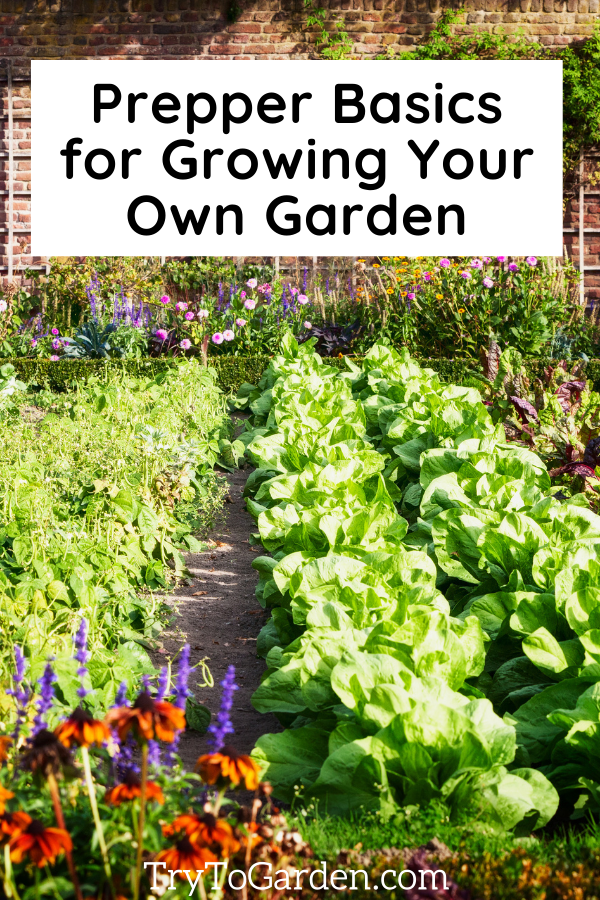
Prepper Basics for Growing Your Own Garden green veggies in rows

Some people, however, choose to create their own survivalist seed supply rather than buying them. If you decide to do this, you’ll have to follow a few rules. Don’t use wet seeds.

The seeds must be completely dry before you store them. The storage containers you use are vitally important. You have to protect the seeds from the ability to grow fungus, from marauding insects and animals, and heat.

For the best results, you’ll want to store your seeds in glass containers. You’ll want to maintain the right temperature for the seeds, and remember that some seeds can handle a colder storage temperature while others can’t.

Light and humidity will negatively impact a seed’s ability to produce a viable plant. You want to keep the seed’s temperature-controlled below 50 degrees and remember that while some seeds can last in storage for up to six years and still produce a crop, other seeds can’t. You’ll want to do a seed rotation to check and make sure that the seeds are still good before you need them.

Other articles you may find helpful if you liked Prepper Basics for Growing Your Own Garden:

Prepper Checklist for Cooking and Canning at Home

Prepper Checklist for Cooking and Canning? Cooking and canning foods at home is so easy that even a beginner can quickly learn how to master it. Making and canning foods at home is also an inexpensive and healthy way to provide food for your family.

Prepper Checklist for Cooking and Canning at Home article cover image with canned goods

It’s a method where you can set aside provisions in the event of a disaster. But if you’re going to use canned foods, you’ll want to follow this checklist to ensure that you have the right supplies and follow the important safety guidelines.

Prepper Checklist for Cooking and Canning at Home

The first items that you’ll need to line up are enough jars to hold the foods you want to store. How will you know how many jars you need? One way is by checking out what the recipe says. Home canning recipes will usually tell you how many batches of food the recipe will produce.

You can find jars that are specific for home canning. When you have the jars you need, you’ll want to wash the jars along with their lids and bands like you would hand wash dishes. This is done to remove germs and sterilize the jars.

The next thing you’ll need is utensils. You’ll need spoons and a spatula. You’ll also want to make sure that you sterilize the utensils you use. When you’re canning foods, you don’t have to have many items, but you do want to make sure you have a sturdy stockpot.

You might find it helpful to have a funnel, labels, and a canning jar holder. If you’re canning fruits or jellies, you may also want – pectin, but some people can foods without it – it’s a personal preference.

Once the water has simmered in the pot, you’ll want to fill the jar to the level that the recipe calls for. Don’t put warm foods in cool jars because this will cause the jars to shatter. The jars need to be at least room temperature.

To get out the air bubbles, make sure you don’t stir – just run a flat utensil around the inside of the jar. Put on the lid toppers and the rings, then place the jars in the jar lifter. If you don’t have a jar lifter, you can use tongs in a pinch, but it’s easier for the jar to slip with tongs.

Using a jar lifter, you would lower it by the handle into the stockpot until the jars’ tops are completely covered by water. Let the water boil however long the recipe says to let it boil.

You don’t want to count the time before the water boils. Once the jars are cool, some people put labels that are dated on the outside of the jars so that they can rotate the foods while they’re in storage.

Which Prepper Recipes Should You Compile?

What Prepper Checklist for Cooking and Canning would be complete without talking about recipes? When it comes time to live off of your survivalist food stores, life might make a chance for you and your family at mealtime. You can no longer run up to the corner store for foods to go in a recipe – you have to have it on hand or make do with what you do have.

You’ll want to look for certain types of recipes that work with the kinds of foods most preppers store – but also locate recipes for your files that create meals your family loves.

The primary focus for many preppers is on beans, bread, and canning recipes. But that’s not your only option. You will probably be storing lots of rice, freeze-dried or dehydrated foods.

You want to be able to turn those staples that your family has worked hard to store into an almost gourmet meal that you’d be proud to serve to dinner guests during a typical celebration.

Start organizing your recipes offline. Many people have them stored on sites like Pinterest, but if there’s no electricity, you won’t be able to access those recipes at all. It’s better to print them out and save them in a small filing storage container.

Organize your recipes according to what staples your family has on hand. If you find a recipe that calls for something you don’t yet have, add that item to your checklist of food storage items to get. We like this list we found here: 45 Pantry Meals for Tough Times or Tight Budgets.

Put the recipes in categories for entrees, side dishes, bread, and desserts. You might even want to have one for beverages if you’re able to store different types of ingredients to make delicious drinks.

Too many preppers who are just starting out think that emergency food stores would mean you have to live on meals ready to eat or plan meals that offer no sense of enjoyment.

During a crisis, you want to provide your family with the most normal routine possible. Sometimes that means being able to serve up favorite family meals. You may have to create substitutions for certain things, but it’s better than living on a protein bar day after day.

Using your prepper food stores means rotating items out of commission, and you can invest in survival cookbooks and test out your prepper culinary skills using a variety of methods – including solar ovens and other forms of cooking without electricity.

If you have children, make sure you have them help you compile a list of their favorites, too. They can even help you make a test batch to see if it passes muster with the whole family and earns its spot in the recipe container!

Other articles you may find helpful:

A Simple Living Guide to Rainwater Usage

Water is one of our greatest natural resources.  However, when it rains, most of the water ends up in storm drain systems where it has to be treated to be recycled. But you can actually create systems to store and use rainwater where it will do the most good.  You can also save money and natural resources by following a rainwater usage plan for your household.

A Simple Living Guide to Rainwater Usage article cover image

A Simple Living Guide to Rainwater Usage

The Benefits of Storing and Using Rainwater

There are many reasons to store and use rainwater.  It benefits both you and the environment around you.  People have stored rainwater for thousands of years, so this isn’t a new idea. 

It’s just become more popular in recent years as we’ve learned what a great benefit it can be.  Understanding more about these benefits can help you make the decision to begin using rainwater.

First, storing rainwater actually reduces flooding and erosion that can be caused by the downspout of your gutters.  This can help keep your yard looking great and prevent water from ending up in storage drain systems.

Using rainwater saves money

When you store and use rainwater, you can also save money.  Normally, you have to pay for the water that you use to irrigate your lawn or to wash your car.  But with stored rainwater, this becomes a free resource for you.

Rainwater is better for your plants

When you use rainwater to water your plants, you’ll actually provide them with better nutrition.  Rainwater is naturally full of minerals that are good for plants.  It’s also free from pollutants and chemicals found in tap water.

If you live in an area that can be prone to drought, storing rainwater can provide you with a water source during those dry times.  City water sometimes becomes restricted during drought conditions, but your rain barrels will be accessible to you.

When it comes to the environment, freshwater is an extremely limited resource.  Only 3% of the world’s water supply is able to be used for drinking and other home use. 

Because water consumption is high in industrialized countries, natural sources of water are beginning to dry up.  Harvesting rainwater captures a renewable resource and prevents water from entering storm drainage systems where it can become contaminated.

Creating a Storage System for Rainwater

Collecting rainwater has become a popular way to conserve water in recent years.  That’s good news – because it’s made it possible to find many different systems for storing it.

One of the most popular and least expensive methods is using a rain barrel. Rain barrels are large containers that can collect rainwater from the gutters of your home.  They can be made from materials such as large trash cans or buckets.

You can also purchase commercial kits that you can put together easily designed specifically for storing rainwater.  Once you have a system in place, your bucket will begin to fill each time it rains.

With a rain barrel it’s important to make sure you take some safety precautions.  For example, the top needs to have a child and pet proof top that doesn’t allow small ones to fall in. 

You also need to have a filter at the top that prevents debris from going into the barrel along with the rainwater.  If you find that this system works well for you, you can even add multiple barrels so that you don’t have any overflow during a rainy season.

Rain barrels typically have a tap at the bottom for you to remove the water.  Some of them allow you to attach a standard garden hose so that you can use the water directly in your yard.

how to use rainwater

Always make sure that any material you use for your rain barrel is food grade.  This means it won’t leach harmful chemicals into the water and the water will be safe to use.

While rain barrels are the least expensive and simplest to install, there are more sophisticated systems if you’d like to have more water storage and can afford the extra cost.

A rain barrel typically holds around 50 gallons of water for use.  You can have several barrels to hold more water.  But if you’re interested in storing much more, you’ll need a different type of collection system.  One choice is called the Rainwater Pillow. 

The Rainwater Pillow is a system that holds up to 1,000 or more gallons of water using a fabric container.  The amount it holds will depend on the size that you purchase.  For the typical homeowner, the original 1,000 gallon size is sufficient.

This system is much more expensive, costing thousands of dollars, but if you use a lot of water in your household for gardening or even farming this could be a valuable investment for you.

You can also invest in an underground system that catches rainwater and allows you to pump it out for use.  You can purchase a system that will provide water for your lawn and garden, but can also be used for toilets.

This system is quite a bit more expensive than other options because of its size, underground placement, and materials.  However, it can pay for itself in the long run by replacing your dependence on other water supplies.

In order to have this type of system, you’ll want to look in your local area for a company that specializes in it.  The cost will depend on your area and your specific needs.

First Flush Systems for the Cleanest Water

One concern people have when using a rainwater barrel system from the rooftop is that it can become polluted by materials on your rooftop as the rainwater heads to the gutters.

This is a real concern as debris can contaminate the water in your barrel.  A great solution for this is to use a first flush system.  The first rain you’ve had is usually the most polluted as it washes away debris.

With a first flush system, the first five or even 10 gallons of water are stored and set aside from the rest of your rain barrel storage.  This is the water most likely to end up with sediments or chemicals.

rainwater use tips

You can simply use that water for your lawn and use the rest of the water for your purposes such as a vegetable garden or household cleaning. 

Rain Barrel Maintenance

Once you have a rain barrel, there are things you’ll need to do to keep it in good condition so that you can make use of the water you’ve stored.  These simple steps will help you get the most of your system.

First, you should empty your barrel at least once a month.  This keeps water from accumulating algae and developing an unpleasant smell.  If you want to be able to allow water to sit longer, you can add a capful of chlorine bleach to the barrel.

This will stop the development of algae and at that small concentration it won’t harm your plants.  However, if you use more than that, it could become harmful.  You also want to avoid using an acid such as vinegar because it will harm your plants.

When it comes to your gutters, you’ll want to make sure that you clean them regularly or install a gutter screen that prevents debris from getting in.  This will cut down on the debris and sediment that gets into your rain barrel.

If you notice that your barrel has developed a leak, you don’t have to throw it out.  In many cases you can use aquarium caulk made from silicone to seal up the hole.  This is available in hardware stores and is inexpensive.

Another concern for rainwater barrels is the development of mosquito populations.  Draining the barrel regularly is one way to prevent this.  But you can also add a larvae tablet to your barrel that can prevent mosquitoes from breeding.

Adding this type of tablet won’t harm your plants and will prevent problems such as West Nile virus that can be spread through contact with mosquitoes.

You also need to be careful if you live in an area with very cold winters.  Freezing and thawing over and over again can weaken your rain barrel.  Before it gets that cold, drain your barrel and disconnect it to prevent problems.

When you’re storing your rain barrel for extended periods of time, it’s best to store them upside down. This keeps them free from debris.

How Much Can You Collect?

You may think it will take a long time to collect water in your rain barrel.  But you can actually collect thousands of gallons a year.  You can figure out approximately how much water you’ll collect for every inch of rainfall.

First, you’ll need to estimate the square footage of your roof.  Then divide that number in half.  The number you end up with is the number of gallons of water you can collect from one inch of rainfall.

how to store rainwater

The average house can collect over 400 gallons of water with a half inch of rain.  As you can imagine, that adds up fast during rainy seasons.  This is a great reason to have multiple barrels or larger systems.

Uses for Stored Rainwater

Rainwater isn’t usually used for drinking (although it can be), but it can be used for many other purposes.  It may surprise you to see how many different ways you can use stored rainwater.

The most obvious use for rainwater that you collect is watering your lawn and garden.  It can be costly to water your yard during dry and hot summer months.  Having a rainwater storage system allows you to have access to free water. 

It will also allow you to continue watering even if your water service has imposed restrictions due to drought. One of the easiest ways to use your barrel is to connect it to a soaker hose.  You can use it to keep your lawn irrigated and you can even use it to protect the foundation of your home.

While this isn’t available everywhere, many cities allow residents to use rainwater to flush toilets.  You can even set up a rainwater system where the water is automatically brought into your home for toilet flushing.

This can actually save you quite a bit of money on your water bill, especially if you have a large family or many toilets that are used frequently.

If you own an automobile, you can use rainwater to fill your radiator instead of the tap water you might normally use.  In most cases this will need to be mixed with antifreeze.

You can also use rainwater to wash your car instead of hooking up the hose to the city water system.  This will save money and conserve the water you would normally use.

When you need to clean your home, you can use rainwater instead of tap water to mop.  Simply fill a bucket and bring it inside to clean your floors and other surfaces.

You can use rainwater for washing dishes and even for bathing if you have a filter system to make it better for use inside.  It can also be used for laundry.  Laundry actually makes up a large percentage of water use in households, so this can save a lot of money.

Having water stored in rain barrels can help you if you have a natural disaster or other emergency that keeps you from being able to use your typical water supply. You’ll want to make sure that you have filtration and purification tools before using it. 

For example, you may need to boil the water before drinking or add water purification tablets in order to drink the water.

You can even share the water you’ve collected with neighbors if you have more than you can use.  This can serve as a great example and encourage others to install their own rain barrel systems.

You may not think that your small system of rain barrels makes a big difference, but it can make a difference for your household and you can create a ripple effect in your community.

Other articles that may interest you:

The Best Things to Learn During Quarantine

You stuck at home and have some time on your hands? YouTube is your friend. You can how-tos about anything on there, and here is a list of what we suggest you brush up on, and why.

skills to pick up while quarantined

If you are now finding yourself with a little extra time on your hands, it is the perfect time to add to your skills list by using this precious time to help make you better prepared for the future.

Things to Learn During Quarantine

There are literally dozens of things you could choose to attack and master, but we have a list of some of the most necessary survival skills to master.

Basic Knots

Knots are very useful for emergency shelter making, improvising snares, fishing nets, even simply an emergency clothesline or way to hang your equipment off the ground while camping.

When you browse the internet, chances are you will come across as many as sixteen or even more different types of knots. But all knots are not essential unless you are a sailor or a climber. Learn just two or three basic knots and get the job done.

A quick video all about 7 Essential Knots You Need To Know

Fire Starting

Fire starting, one of the survival skills, is not for the faint-hearted as you need to adopt friction-based fire-starting or any other primitive method. It is a great time to learn how to start a fire without a match or a lighter.

You may not need this skill ever, but it is cool to know-how that you can heat and eat anything in the case of an emergency! We love this article: Campfires 101: Everything You Need to Know from Fire Starters on Up.

Identifying Local Plants

Learning to identify plants is no mean achievement even for the full-time students of botany. It might seem too tedious and technical at first, but it will sure build your knowledge of plant identification.

30 medicinal plants the Native Americans used on a daily basis

It is the best time to upgrade your plant identification skills to the next level

Learn what plants are right on your doorstep that can be used as food, medicine or poisons

All of us love maintaining a beautiful garden in our backyard or near the entrance. But are we aware that there are plants that can be used as food and medicine and are available easily?

Plants like Yarrow, Mullein, and Dandelion have great medicinal properties, and they are edible too. Want to learn more? Check out www.eattheweeds.com to gain more plant knowledge.

Change your Tire

Changing a tire is an effortless skill that all car owners should know. A lack of knowledge could leave you stranded on the side of the road. When you learn how to change a tire, there will be no need to wait for roadside emergency services that can leave you waiting for hours. What is even worse? When you are ini a location that has no cell phone signal.

Learn During Quarantine with map reading

Map Reading

The lockdown is an excellent opportunity for learning, and it is never too late to get acquainted with the art of map reading. With the advent of sat-navs and Google Maps, people have ignored the good old skills of map reading.

When you acquire this skill, you will not be in a soup next time your cell phone battery dies or fails to get a network on a hiking trip.

Vehicle Repair

The quarantine period can be best utilized to learn skills that will help us to save money in the long run. If you know the basics of vehicle repair, then you need not run to the mechanic every time.

Tasks like changing the oil or flushing the coolant, are great DIY projects that you can easily learn, implement, and save a lot of money in the process. Granted cars are not as easy to work on as they sued to be with all of the electronics, but there is still a lot that you CAN do yourself.

Animal Keeping – Chicken, Sheep, Pigs, etc

Have you ever thought of rearing farm animals? Now is the time to learn the required skills to raise chicken, sheep, or similar farm animals. When you run a small backyard hobby farm, your family can have access to grass feed meat, and dairy for the whole year.

You will get fresh raw milk, be safe from artificial cheese, and enjoy chemical-free eggs. Sadly, not all cities let you have chickens or small livestock, but you MIGHT be able to.

learning to hunt

Hunting with either a bow or a rifle

Many of us had an interest in hunting, but we missed out due to our difficult office schedules. It is an excellent time to hunt for some fresh meat, but if you are planning to use bow and arrow, then you need to keep the distance shorter at 30 yards.

Hunting helps you to bond with your children and this quarantine period is a good time to do that. Make sure you stick to the current hunting season and laws.

First Aid

Teaching yourself basic first aid is an excellent way of empowering yourself, and it can have very positive knock-off effects as well. First aid education will help you to help others in times of need, and it will also help your family understand the importance of good health and what it means to be fit and well.

This article on Camping First Aid Kit Essentials is a great place to start, unless you have looked at our own articles on first aid like: First Aid Items for Your Pandemic Survival Kit

Sewing

We all know that sewing is a lost art, but a huge number of individuals have gone back to this craft during this time, and there has been a sort of renaissance lately. When you learn how to repair or make items of clothing, it can be a rewarding experience.

If you have kids at home, they will love the needlework. A simple task to start with is making face masks. There are several places you can get patterns online.

Things to learn during quarantine like making soap

Soap Making

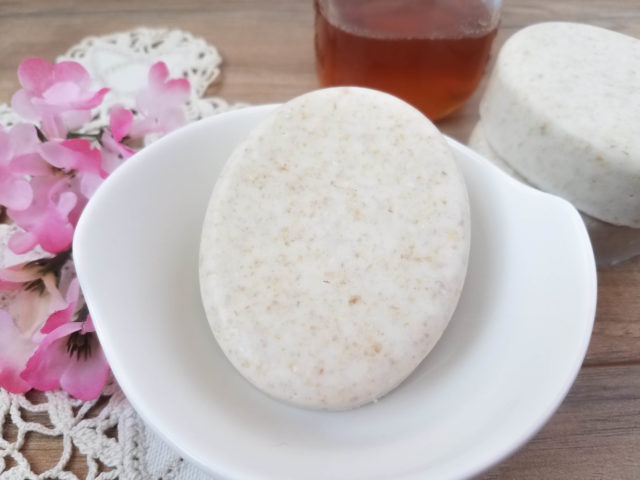
During this lockdown, the soaps and hand washes are fast running out of shelves. You can learn the art of soap making so that you can have ready stock at home. Making soap at home is a satisfying skill to learn. Soap making is fun and not at all difficult, as you might think. You can see a few fun recipes HERE to get you started.

Water Sources and Different ways to Catch Water

Want to do something very creative? You can learn about the different ways to catch water so that you can use it to water your livestock, vegetable garden, flowers, and even use it for drinking purposes. DIY rainwater harvesting is great art, and you can ask your kids to join in.

Safety as a woman

The quarantine period has some disadvantages, and the safety of women has become an essential topic of discussion today. Domestic violence has increased manifold, and they are often under-reported. It is a great time to learn some safety tips and survival skills so that women enjoy a better and safe position in society.

Learn During Quarantine women's self defense classes

Making Moonshine

One should thank the quarantine period for the newfound love for moonshine. The brakes on the sale of hard drinks have disappointed lots of people, and this has led many individuals to try their hand at making moonshine at home.

There are several videos on YouTube that will teach us to make moonshine at home but we found a few recipes here: Moonshine Recipes.

Smoking Meats and other foods

If you are fond of cooking but rued the fact that you hardly got time for it, then make good use of the quarantine and learn how to smoke meat and other food items.

Karl Engel, head chef at Pigcasso BBQ in Tulsa, gives us the lowdown on the basics of smoking meat.

Remember, smoking meat is culinary science, and it requires accurate temperature and time control. Smoking meat is not new in any culture, and you can have it with a glass of beer o make it a complete meal.

Preserving Foods with Salt

Since you will not feel like cooking every day of the lockdown, it makes sense to learn how to preserve food with salt. The value of salt in preserving food items is highly prized, and meat and fish are covered with salt to check the growth of bacteria. Salt is also used to preserve raw mangoes, tamarind, etc.

making sourdough baked goods

Sourdough Starter

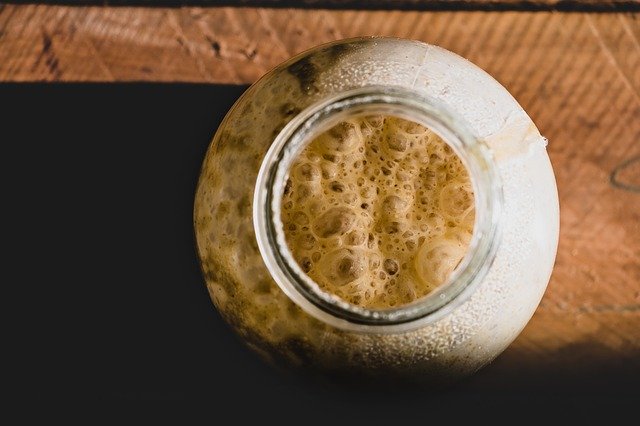
It is the perfect time to learn to make a sourdough starter at home. You just need flour, water, and, of course, loads of patience. The process is a bit nerve-wracking for a beginner, but once you learn it, you can use it to make sandwich bread, focaccia, bagels, etc. It takes around a week for the process to get completed. We found some fun Amish Friendship Starter recipes HERE.

Baking Bread

Baking is a relaxing and tasty hobby to get into. It is an important life skill and an opportunity to learn how to bake. Although you may get tempted to learn how to bake cakes and pies, it is the art of art baking bread that will help you during this quarantine period.

Making Candles

If you are searching for a new and exciting hobby to take up, then you will find that making candles is one of the most therapeutic ever! You can easily make a range of beautiful candles at home using standard kitchen equipment. Candle making is a very fulfilling and enjoyable craft that gives you creative pleasure and a sense of achievement.

Learn to Make Animal Traps

How to Make a Basic SNARE Trap with Paracord or Wire so you can Catch Your Own Survival Food

Have you ever tried making an animal trap or a snare? You can learn to make a DIY animal trap that can hold rabbits and squirrels. The greatest advantage of learning how to make animal traps ensures that you always have something to eat when you are in the wild or camping.

Gardening

Getting yourself out in the garden is fantastic for your body, mind, and soul. One can learn a lot through gardening like planting seedlings, watching the small plants grow, and digging up the mud to plant new seeds. The best part is that you can involve the little ones in gardening. Try To Garden has a lot of great tips for beginners.

things to Learn During Quarantine like gardening

Canning

Preservation of food is very important, and since during this period, shops are only intermittently open, it is necessary to learn the art of canning. Canning is not at all problematic, and definitely, you do not need a unique skill set. It is a matter of preserving foods like fruits, vegetables, meat, and poultry so that you can use it later.

Making Jams/Jellies

Homemade jams are much better and tastier than commercial jams. There is no better time to learn to make jams than this period. You can easily make jam at home with/without pectin, and even in your Instant Pot.

You will find that the homemade variety has the right amount of sugar content, tastes real, and looks yummier than the ones that are available on the supermarket shelves. You can get started with some recipes HERE.

Are there any other things you can think of adding to the list? Share with us all in the comments!

Other posts you may find interesting:

Best Supplements for Immune System : Vitamins to Look At

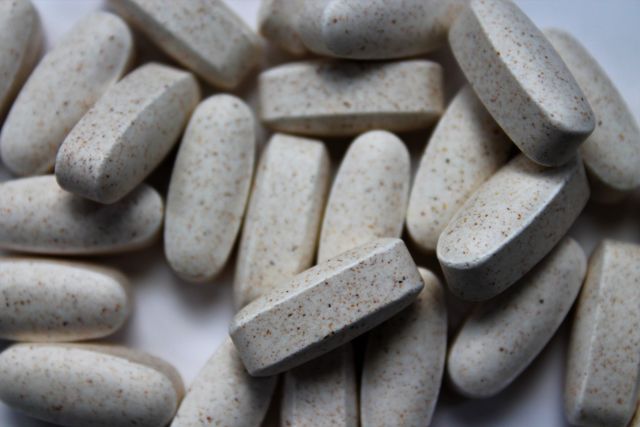
During stressful situations, your immune system will naturally become stressed, and this can make you more vulnerable to infection. It’s essential to stock up on vitamins that will help your immune system stay in tip-top shape. We came up with a list of the Best Supplements for Immune System stability and strength.

Best Supplements for Immune System article cover image of a hand holding pills

Let’s just look at vitamin C as it is commonly known for its immune-boosting effects. Keeping a supply of it onhand can help you stave off illness. Whenever you got a cold or the flu, you may have heard your mom (and doctor) warn you to drink plenty of fluids and get extra vitamin C. That’s because this particular vitamin can help boost your immune system.

Stock Up on Vitamins to Boost Your Immune System

It’s preferable that instead of waiting until you’re already sick, you bulk up on vitamin C beforehand – to stave off any foreign invaders ahead of time. You can find vitamin C naturally in oranges and other citrus fruit.

Aside from boosting your body’s natural defense system, taking regular doses of vitamin C helps your body heal from minor cuts and wounds. Your tissues benefit from the intake of vitamin C as well, as do your teeth and gums.

This unique vitamin contributes to your absorption of other vitamins within your body, so a deficiency in vitamin C can have prohibited other nutrients from helping your health. Each organ needs specific vitamins to stay healthy and to function correctly. Vitamin C helps those other nutrients get carried out to the organs and tissues that need them most.

Best Supplements for Immune System : Vitamins to Look At citrus fruit for vitamin c

Your muscles need vitamin C to stay healthy and flexible, which can help lessen some of the pain you may suffer from now – or in the future. It helps your joint muscles retain their resiliency so that they can bend adequately with a good amount of pressure placed on them.

Vitamin C is also known to be an antioxidant, which helps eliminate free radicals within your body. This simply means that it can help prevent you from developing some types of cancer. Can you see how this made our list of the Best Supplements for Immune System yet?

It can also get rid of toxic byproducts that can be produced from fat metabolism.

Because of its ability to neutralize the toxic byproducts, vitamin C is now known to help prevent heart disease.

It promotes healthy blood flow, which can help fight against atherosclerosis. The healthier your heart is, the longer you may live! Vitamin C can be purchased in pill form that you can get from your local grocery store or as a supplement online.

You can also find it in oranges, strawberries, and cantaloupe. In vegetables, you can find it in tomatoes, broccoli, and cabbage. If you’re not into fruits and vegetables, then it’s recommended that you drink a glass of orange juice every day. Get your daily dose of vitamin C and give your body the boost it needs to stay healthy!

Best Supplements for Immune System variety of pills that work well together

Vitamin C, though, isn’t the only vitamin that will help you, and many scientists believe that vitamin C works in connection with other vitamins but isn’t as effective alone. It actually helps your body absorb iron better!

Why Iron Is Important for Your Health

An iron deficiency isn’t apparent to spot, but it can wreak havoc on your overall health, leaving you feeling sluggish and tired without an apparent explanation. Restless leg syndrome, anemia, dyspnea, and an odd disorder called pica are all a result of having a low iron count. We have to have it in our list of the Best Supplements for Immune System strength.

Restless leg syndrome causes uncomfortable feelings in your legs when you’re at rest and trying to sleep. It can cause insomnia because as you’re trying to fall into a slumber, your legs are still feeling like they need to get up and walk or move around.

Some people who suffer from this have reported that they experience involuntary movements with their legs when they’re at rest or an annoying tingling sensation that drives them to give up on getting rest, so they get up and move around to make it go away.

Why Iron Is Important for Your Health

The restlessness they feel usually can only subside when they move their legs around to wear them out. Although the exact cause of restless leg syndrome isn’t known, those who suffer say that an increase in iron helped alleviate the problem.

Anemia is another condition that’s caused by an iron deficiency. Anemia is when iron levels are low for an extended period without relief, which makes red blood cell production ineffective. This disorder causes chronic fatigue and weakness for the person suffering from it.

It can also cause dyspnea, which is shortness of breath. The low iron levels cause oxygen not to flow freely, therefore sapping you of energy. You can also experience heart palpitations and increased sweat production, and it can even lead to heart failure if left untreated!

Pica is an odd disorder seen in people with a low iron count. Pica is a term used for those who crave unusual items that are considered not edible. Low iron causes your body to want iron. Sometimes, this can result in people eating paper, buttons, and chalk – and in some cases – soil!

Pica can result in other hazardous conditions that may result from eating unhealthy items. Eating soil, for example, can cause a person to contract bacteria or microscopic worms. This behavior can sometimes be treated simply by consuming extra iron.

Why Iron Is Important for Your Health

Low iron can cause excessive bleeding in menstruating women or women who shouldn’t be menstruating at that time. The blood is thinned to the point that blood clotting becomes a little more complicated, and you could essentially lose other nutrients that your body needs.

If you think you’re low on iron, have your doctor run a simple blood test to find out if you’re anemic. You don’t want to take too much iron – just enough to get your levels back to a normal, healthy state. If you need to take it or want to stock up on it, we love THIS brand on Amazon.

More of the Best Supplements for Immune System Strength

Selenium is a mineral that’s been shown in studies to help boost the immune system and prevent disease.

Vitamin D is something your body naturally produces when it’s exposed to sunlight. But if you’re stuck indoors during a pandemic, you’ll likely need a supplement. Vitamin D supplements can be added to your storage to keep your immune system healthy and help you to fight illness.

Vitamin E is an antioxidant that helps your body fight stress. It is especially helpful in increasing your body’s ability to produce antibodies when it comes into contact with a virus.

More of the Best Supplements for Immune System Strength

Zinc is a mineral that’s been found to help boost your immune system. Zinc is one you only need to begin taking if you feel that you’re becoming ill. It can help your body produce more white blood cells and shorten infection time.

Both vitamin B2 and vitamin B6 are known for improving the immune system’s ability to fight infection. Most vitamin B supplements contain both of these and additional forms of the vitamin as well.

Echinacea is an herbal formula that is a natural antiviral and antibiotic. Having this on hand is useful at the first sign that you’re ill. You don’t want to use this to prevent illness.

Much of your immunity lies within your gut through beneficial bacteria. Unfortunately, the antibacterial products and medications that are common can also cause you to have reduced resistance. Taking a daily probiotic can help you have a more robust immune system to fight off infections naturally.

Garlic is also a natural antibiotic and antiviral that helps to reduce inflammation in your body. Eating fresh garlic is the best, but you can store herbal supplements contain garlic in your emergency supplies.

You may get most of what you need by taking a multivitamin daily. Vitamins can help make up for any nutrition you’re missing from your daily diet. This is especially important if you primarily depend on canned foods for your meals in times of duress.

Other articles you may find helpful:

14 Names of Edible Flowers And How To Eat Them

Names of Edible Flowers? Flowers are a part of our everyday lives, and countless times we have them hanging around our homes for different reasons like their smell or their beauty.

14 Names of Edible Flowers And How To Eat Them Article cover image

Flowers do make great centerpieces for one’s home, especially their dining table, but aside from the fact they complement your space well, do you know there are health benefits in a lot of them when consumed? It might sound strange, but there are medical pieces of evidence to prove that eating edible flowers can contribute to improving your health.

14 Names of Edible Flowers And How To Eat Them

We have done our fair share of research and have identified a few of the most interesting flowers you can transfer from your living room table to your plate. Let’s take a trip down this flowery lane…

Names of Edible Flowers: Citrus Blossom

Citrus blossom is a beautiful flower that can serve a lot of purposes other than decorating your garden or hanging from your ceiling. Transferring Citrus Blossom to your plate can help you a lot in terms of improving your inner health as well as your skin.

Interestingly, the plant can be used to make various oils that you can apply to your skin for smoothness as well as to heal sunburns and other skin issues like irritation and redness. You can also grind the plant to make tasty water, which you can consume to help you relax and calm your nerves. You can even eat the plant as part of your salads as it helps to ease tummy aches and cramps.

Daisies

Daisies are grown all over the world, and it is a flower many people consider to be wildly grown. However, have you ever stopped to think whether these plants can be eaten or not? Children are known to use them for designer chains and necklaces, while others weed them out of their gardens.

However, they are more than just physical beauty, but they can be added to your salads and sandwiches for taste and other health benefits. Consuming daisies have its benefits to include preventing or treating coughs, liver and kidney disorders, and inflammation. A lot of people also use this plant as a “blood purifier” or a source to ease the pressures caused by soreness, pain, and childbirth.

Dandelions

Different cultures have different names for Dandelions but generally known as stubborn garden weeds. They do compliment your garden well, but have you ever stopped to think about adding it to your diet? Well, interestingly, Not only do they have an attractive feature, but they are also great for your tastebuds.

They are nutritious and provide a lot of health benefits when consumed. Different parts of the plant are said to have antioxidant properties that help the body fight against many aches, pains, and other problems. The components of the plant that can be consumed are the flower, stems, leaves, and roots. When adding to your plates, they can be eaten raw, fried, made into jelly or wine, or added to your salads.

The roots can also be used to make tea (steeped). Are you making stews or casseroles? No problem, they are great for flavoring those dishes.

Names of Edible Flowers: Hibiscus

The Hibiscus plant is known to produce gorgeous blossoms that are most popular in the tropical and subtropical regions. There are over one hundred different species of the hibiscus plant that are available around the world.

Though a lot of these are edible, the most commonly consumed is the Hibiscus Sabdariffa or better known as Roselle. The flowers have the potential to grow up to six inches and come in different colors to include white, red, pink, and yellow. Hibiscus is highly known for its ornamental uses, but a lot of people will be shocked to know it can be eaten as well.

It can be added to complement your salads, relishes, tea, and jam. If you are troubled with high blood pressure or cholesterol, drinking Hibiscus tea will help you lower these and relax your nerves.

Honeysuckle

There are over 200 different species of the Honeysuckle plant, but the most commonly known or used are the Japanese and Woodbine varieties. The Honeysuckle has a strong aroma and generally blossoms in white or yellow.

These blossoms have nectars that you can eat directly from the flower. For years, Honeysuckle has been used as a Chinese medicinal product for many different health conditions. It is also proven to work great with inflammation as you apply it to the skin for soothing. You can eat the plant or nectar formed in the plant, or you can process the plant to extract oils and juice which you can ingest or apply to the skin.

Honeysuckle is perfect for making flavorful syrup, which you can use to sweeten your tea, yogurt, or sorbet, and is an excellent alternative to sugar.

Lavender

Lavender is mostly grown around northern Africa and the Mediterranean and is a dense floral herb with violet flowers. Inhaling Lavender will leave you feeling relaxed as it has a great aroma and distinctive fragrance like no other. The calming effects of this exotic plant will leave you tempted in wanting to get a taste.

And? It’s safe to give it a shot because you can indeed indulge as it provides multiple health benefits for you. You can easily add Lavender to complement your dishes like salads, pastries, syrups, teas, rubs, and spices.

It works well with all types of ingredients, whether sweet, sour, or savory. Lavender has a powerful touch, however, so when cooking with it, it’s best to add little bits until you achieve the flavor you need.

Names of Edible Flowers: Lilac

Lilac is more than just a flower with a great fragrance but one that you will enjoy delving in as it complements your dish. This amazing flower has medicinal benefits to include treating and eliminating intestinal worms.

In ancient times, it was also used as an anti-periodic tonic – that has the potential of ridding your body from re-developing certain diseases. Interestingly, herbalists of today’s age still use the plant for medicinal purposes.

How to Make Lilac Jelly is a fun recipe for a great treat.

Also, you can add the plant to your various dishes like stew or salads. The extract from the flower can also be used to create well-toned skin.

Mums

We all love a dazzling array of flowers hanging from our ceiling or positioned in the center of our dining table – to include Chrysanthemums, of course. They complement our space so well with beauty and fragrance.

But, do you ever feel like nibbling on a piece of that sweet-smelling beauty sometimes? Well, we are allowing you to do that as we are here to confirm that it is one of the edible plants you can add to your kitchen. Mums are amazing when it comes to providing your body with health benefits like providing ease and treatment for chest pains, dizziness, and headaches.

It is also great to take for chronic illnesses such as diabetes and high blood pressure. You can add it raw to your salads, heat it or grind and extract its oils for your skin.

Nasturtium

When you say tasty, beautiful, and possessing a savory taste, then Nasturtium should be floating around in your mind. The brightly-colored flower is a delicacy when it comes to the kitchen and fits perfectly in any dish you are preparing. Interestingly, all parts of the plant include its leaves, and flowers can be eaten, whether it be raw or cooked.

Are you looking for a spicy touch to your dish? Then Nasturtium should be your best bet. It features a spicy flavor, which helps to bring a difference to your meal and, of course, satisfy your eager taste buds.

Pansies

Pansies are beautiful flowers with a great aroma and interestingly not only great for your floral decoration but also as a delicious meal. The flower, which many people call “Heartsease,” has many health benefits when consumed in the various ways it can. It has been said to help persons who have asthma, whooping cough, bronchitis, fever, colds, and flu.

Besides, it helps lower the chances of heart failure and blood pressure. You can eat the flower raw, heated, extract juice, or oils for various reasons, or you can add it to your water for drinking (infusing.)

Names of Edible Flowers: Roses

The rose species is pretty large, with over 150 varieties available, and comes in different types, shapes, and colors. The best part is that they can all be eaten even though not all have the same taste and flavor.

The stronger the aroma of the rose, the higher the chances of it tasting great, but the stem and leaves are not the easiest to eat, so it is best to stick with the petals.

They have a sweet taste when consumed, so it would be great to complement multiple dishes. Aside from tasting as great as it does, eating the petals is said to help you relax and reduce anxiety levels.

Sunflowers

We are sure you see Sunflower seeds when you go to the supermarket or even the pharmacy, which is a clear indication the flower is safe for consumption.

The seeds have a high level of vitamin E and selenium, which is great for the body in fighting off numerous chronic diseases. There are a lot of antioxidants in the Sunflower plant, and aside from the seeds, you can also enjoy munching on the petals.

Violets

Violets have a lot of health benefits, making them a great choice to add as a snack or as part of your salads. It works well with improving your health should you suffer from bronchitis, headache, mumps, scurvy, colds, asthma, fever, sore throat, urinary tract infection, and many more. So, the next time you pass by that floral centerpiece in your living room, pick a few petals, wash, and enjoy.

Names of Edible Flowers: Clover

Eating Clover flowers, especially the white clover, has a lot of benefits, and not only do they taste great, but they have an amazing aroma as well. Clover is great to be eaten by people who have issues with diarrhea, rheumatism, and arthritis. You can eat the petals raw, heated, or you can dry the flowers along with the seed pods and ground them to make flour. Interestingly, this flour will be gluten-free.

Important Note:

Before consuming any of these flowers, ensure you speak with your doctor as some may contain properties that are in contradiction to other prescribed medication. 

Other posts you may find helpful if you liked Names of Edible Flowers: