Prepping: The Coronavirus Kind

Coronavirus (COVID-19) Readiness is all over the news right now, and justifiably so. With the new pandemic on the horizon, it is good to understand a little about it so you can adequately be prepared. Make sure you are ready for the Coronavirus Kind of problem.

how to survive the coronavirus

What is COVID-19?

Coronavirus disease 2019 (COVID-19) is caused by a virus (more specifically, a coronavirus) identified as the source of an outbreak of respiratory illness first detected in Wuhan, China.  

Early on, many of the patients in the outbreak in Wuhan, China reportedly had some link to a large seafood and animal market, suggesting animal-to-person spread. However, a growing number of patients reportedly have not had exposure to animal markets, indicating person-to-person spread is occurring.

While Fever, Cough, and Shortness of breath might not be a huge issue for most of us, those young, old, and with compromised immunities are the ones having the issues. This has proven fatal for them, and we have seen our first death by this virus on US soil.

Prepping: The Coronavirus Kind kleenex and tea on nightstand

The most common symptoms of COVID-19 are fever, tiredness, and dry cough. Some patients may have aches and pains, nasal congestion, runny nose, sore throat or diarrhea. These symptoms are usually mild and begin gradually.

Some people become infected but don’t develop any symptoms and don’t feel unwell. Most people (about 80%) recover from the disease without needing special treatment. Around 1 out of every 6 people who get COVID-19 becomes seriously ill and develops difficulty breathing.

Older people, and those with underlying medical problems like high blood pressure, heart problems, or diabetes, are more likely to develop serious illnesses. About 2% of people with the disease have died. People with fever, cough, and difficulty breathing should seek medical attention.

How to Prevent Coronavirus

There is currently no vaccine to prevent Coronavirus disease 2019 (COVID-19). The best way to prevent illness is to avoid being exposed to this virus. However, as a reminder, CDC always recommends everyday preventive actions to help prevent the spread of respiratory diseases, including:

  • Avoid close contact with people who are sick.
  • Avoid touching your eyes, nose, and mouth.
  • Stay home when you are sick.
  • Cover your cough or sneeze with a tissue, then throw the tissue in the trash.
  • Clean and disinfect frequently touched objects and surfaces using a regular household cleaning spray or wipe.
Prepping: The Coronavirus Kind woman's hands being washed in sink

Person-to-person spread

The virus is thought to spread mainly from person-to-person.

  • Between people who are in close contact with one another (within about 6 feet).
  • Through respiratory droplets produced when an infected person coughs or sneezes.

These droplets can land in the mouths or noses of people who are nearby or possibly be inhaled into the lungs.

Spread from contact with infected surfaces or objects

It may be possible that a person can get COVID-19 by touching a surface or object that has the virus on it and then touching their own mouth, nose, or possibly their eyes, but this is not thought to be the main way the virus spreads.

Coronavirus Symptoms in Dogs?

Viruses rapidly mutate, can cross species, and it might be the case here. We know the common cold can make our feline friends ill, so it wasn’t a surprise to hear that the pet dog of a Coronavirus patient in Hong Kong tested “weak” positive for COVID-19 and has been put in quarantine.

It was not immediately clear if the animal tested positive due to “environmental contamination” of the dog’s mouth and nose. Researchers suspect that COVID-19 spread to humans through an animal, but it was not clear what kind of animal transmitted the disease to people. The virus is now rapidly spreading from person to person.

Prepping: The Coronavirus Kind puppy looking sad

What does this mean for your fur babies? Keep an eye on them and make sure you take care of them if they display any respiratory distress.

Should you get a mask?

Save your money. These masks often need 3-4 professional fittings to make sure they are tight enough to the face for the correct results. And ideally? The masks people are running to buy are meant for the people who ARE infected.

It takes that six-foot radius of contagion down to about six inches. Even the CDC suggests healthy people NOT wear a mask, but avoid touching their faces, and wash their hands often.

Prepping: The Coronavirus Kind person in mask

Can someone spread the virus without being sick?

  • People are thought to be most contagious when they are most symptomatic (the sickest).
  • Some spread might be possible before people show symptoms; there have been reports of this occurring with this new Coronavirus, but this is not thought to be the main way the virus spreads.

How easily does the virus spread?

How easily a virus spreads from person to person can vary. Some viruses are highly contagious (spread easily), like measles, while other viruses do not spread as easily. Another factor is whether the spread is sustained.

The virus that causes COVID-19 seems to be spreading easily and sustainably in the community (“community spread”) in some affected geographic areas. Community spread means people have been infected with the virus in an area, including some who are not sure how or where they became infected.

Prepping: The Coronavirus Kind cold and flu suppliles

Clean all “high-touch” surfaces everyday

High touch surfaces include counters, tabletops, doorknobs, bathroom fixtures, toilets, phones, keyboards, tablets, and bedside tables. Also, clean any surfaces that may have blood, stool, or body fluids on them.

Use a household cleaning spray or wipe, according to the label instructions. Labels contain instructions for safe and effective use of the cleaning product including precautions you should take when applying the product, such as wearing gloves and making sure you have good ventilation during the use of the product.

The bottom line? Stock up on Chlorox wipes, and use a whole lot of common sense. If you have supplies for the common cold? You should be OK.

Other posts you may find helpful

Emergency Winter Car Survival Kit – with free printable

The North Shore Emergency Management Office of North Vancouver and West Vancouver has provided a list of emergency preparedness supplies and emergency survival actions if you become stranded in your car during a snowstorm. If these Winter Car Survival Kit tips are good for Canada, which is colder often than the US, they should more than work for us too!

Emergency Winter Car Survival Kit

Established in 1978, the North Shore Emergency Management Office (NSEMO) serves the Vancouver, Canada metropolitan area. Among its responsibilities are to administer volunteer emergency response teams, provide community education about preparedness for diverse situations that would endanger individuals or the population, and coordinate regional emergency planning.

Winter Car Survival Kit Tips

Two Means of Emergency Survival in Your Car in Winter Snow

The NSEMO website provides information on winter storm preparedness, including your best chance to survive being stranded in the snow in your car. There are two vital elements of survival. The first is preparation – the supplies to carry in your vehicle during a severe winter – and the second is taking the correct actions to survive in your car while waiting for rescue.

Supplies for Emergency Survival in Your Car in a Snowstorm

Winter Car Survival Kit checklist
This free printable checklist is designed to help you out – and has blank spaces for you to fill in

If you are aware of a coming storm, fill your car with gas. During winter, never let the tank go below half full. Here are the supplies suggested by NESEMO, embellished with some extra ideas to make a complete Winter Car Survival Kit:

  • Store extra clothing in your car, such as mittens that fit over your gloves, warm socks, a ski mask or wool hat, extra sweaters. Think of large size items that you can layer over what you are already wearing. Duplicate or even triplicate clothing items are important, such as snow caps and scarves. You can use the extras if the one you are wearing gets wet.
  • Wool stocking caps are particularly important, as body heat is quickly lost if the head is not covered. Caps can be layered just as easily as clothing: wear two or three, one over the other.
  • Blanket(s) or sleeping bag. Probably the only thing that will fit over your coat is a blanket or sleeping bag. Take a weighty, wool blanket or afghan.
  • Emergency “survival” blankets designed by NASA and made of mylar are said to retain 80% of body heat and are found on numerous websites.
  • Sturdy walking boots made to stay warm in snow and wet weather, with traction for ice. There are reasonably priced boots available that indicate the temperature they can withstand while still protecting from frostbite.
  • Keep a store of high-calorie non-perishable foods that can be consumed or melted in the mouth if frozen, such as raisins, chocolate, and energy bars.
  • Standard Emergency Kit including a flashlight, bright flag, or flares.
  • Water bottles can be stored in the car and kept from freezing by storing in a small cooler, packed with towels, and covered with the blankets you have on hand. Snow is not a good source of water, because it is 90% air and cools the body temperature as it melts.
  • The towels are also handy for wiping snow off the seat or drying parts of your body that get wet.
  • It is not a pleasant subject, but it is advisable to have a simple container with a lid for urine, which will add more warmth to the car. For women, a simple kitchen or auto fluid funnel can be helpful.

Correct Actions for Emergency Survival in a Car Stranded in Snow or Ice

It isn’t always about what is in your Winter Car Survival Kit. “Stranded” implies that it is too far to go for help. In sub-zero temperatures, it can be life-threatening to attempt even a small distance on foot, especially if snow is deep and walking is difficult. Here is a condensed version of what NSEMO recommends:

  • Stay in your car, except to check periodically to make sure your exhaust pipe is not clogged with ice or snow and to put up a flag on your antenna or another visible place. In modern cars with no visible antenna, be prepared with something to position a flag.
  • Turn on your hazard lights. In remote areas, be sure your emergency kit has flares. Light the flares.
  • Run the engine and heat every ten minutes each hour. When the engine is on, crack a (downwind) window slightly to maintain oxygen.
  • Turn on your dome light (ceiling light) and not your headlights to save the battery. Or use light from your emergency kit.
  • Exercise your extremities such as arms, legs, feet, and toes to maintain body heat and circulation.
  • If there are two people in the car, never sleep at the same time, or you may miss an opportunity for rescuers to find your vehicle.
Emergency Winter Car Survival Kit

Blizzard of 1997 Fatalities Due to Lack of Emergency Preparedness

Statistics from the blizzard of 1997 in Colorado and North Dakota, where one would expect people to be prepared, had the highest incidence of death due to winter storms. It was noted that many people did not take the dangers of snow and blizzard conditions seriously enough and drove on the weekend.

Fatalities from being stranded in vehicles were mainly caused by failed attempts to seek help and carbon monoxide poisoning. Males were more likely to die than females at a rate of over two to one.

A possible explanation given was that men might have been more likely to venture out in the storm and more likely to have left the car to seek help.

Emergency Survival in Your Car in a Snowstorm Preparedness and Caution

Common sense and following the advice provided by NSEMO are your best chance for survival in your car in blizzard conditions. Taking winter storm warnings seriously and, if possible, staying indoors, is the most important advice of all, but make sure your Winter Car Survival Kit is in place.

Other posts for winter survival that may interest you:

In Case of An Emergency Apps To Check Out

In Case of An Emergency Apps? Technology is on the rise each day, and we must stay up-to-date with its development has it has advantages to benefit our lives. There are millions of different things technology has given us, and we can certainly say they are worthwhile.

In Case of An Emergency Apps article  cover

So many times, we are affected by natural disasters, and lack of preparation allowed them to deal with us in the worst. Over the years, the relevant disaster preparedness management authorities have been trying to develop a plan to help persons better prepare and protect themselves. As such, invention of emergency preparedness apps has been created to help.

There are thousands of different emergency prep apps you can use though there are some more effective than others. We have done some research on a wide selection of these apps and can agree the following are top apps you may want to consider downloading…

10 Great Emergency Prep Apps

1. Disaster Alert

The Pacific Disaster Center controls this app by putting relevant and useful information and tips that persons can use to help prevent and/or protect themselves in case of an emergency.

There is a free as well as a paid version of this app, and it showcases a world map with icons indicating the types of disasters that are prone to a given area.

This app provides period updates about disasters such as flooding, pandemic outbreaks, earthquake, volcanic eruptions, and more. However, if you need more detailed information about your hometown, you may need to upgrade to a paid version. After all, a $12 fee might save you a lot in the near or far future.

2. Red Cross Ready

This app is excellent in the sense that it works whether you have a phone signal or not. It provides you with practical checklists, instructions, and updates on how to prepare for an emergency, what to do during, and the aftermath activities.

3. Earthquake

Get periodic updates from around the world as they are issued by scientific and research centers about pending earthquake disasters. This app provides quick alerts of pending emergencies in addition to information about pending tsunamis.

Factual information is provided by the NOAA’s National Weather Service, The Pacific Tsunami Warning Center, and the National Tsunami Warning Center. 

4. My Radar

The information provided by this app comes through the NOAA data stream and provides real-time updated maps of emergency events around the world. It also shows wind and ocean currents to keep you on guard for any impending conditions and strictly monitors incoming weather systems.

My Radar app provides exclusive information on temperatures and other similar climate conditions around the world.

5. Storm

This app is created by a team known called Weather Underground, which provides extensive information o storm advisories, various weather blogs, emergency alerts, and more.

Storm monitors the wind and current to send fast alerts of impending weather conditions. The accuracy of the information provided will help you to react accordingly to each disaster threat.

6. Red Cross First Aid

The Red Cross First Aid app is an excellent choice as it helps in guiding you on how to respond in case you get injured during an emergency. It details first aid information for issues such as broken bones, burns, asthma attacks, and other injuries. However, for other severe problems, the main recommendation is to visit a hospital soonest.

In Case of An Emergency Apps

7. WebMD

Have a medical emergency, and don’t know what to do until you get professional help? Then the WebMD app is what you need to have. It provides information on diagnosis, medical procedures, medication, and more.

Also, the WebMD app is efficient in allowing an individual to effectively diagnose a particular illness based on direct signs and symptoms associated with the condition being experienced.

The app has vital information on various brands of medication, what they are used for, and their potential side effects. You may want to get this app so you can prepare yourself for quick medical attention before an emergency strike.

8. Emergency & Family Communications

This app is, by far, one of the essential apps you need to have. When an emergency hits, forms of communication are affected, and you have no way of saying if your family is okay or not.

The app helps you stay in touch in getting updates from across town or from emergency management authorities. There are many other communication apps you can choose from to download.

9. Zello

Zello is an exciting app that allows you to communicate with friends, family, or your local authority through a pre-programmed system. The app will enable you to send out information even with low signal in the event of a disaster strike.

Though it requires WIFI to fully function, it is still operational in a low-bandwidth area, and any recorded messages can be retrieved whenever you get the chance. This app was one of the most downloaded during Hurricane Harvey that hit the United States a few years ago.

10. International Travel

Traveling abroad should not only include your fun activities for your vacation, as disasters can strike at any time. The Travel Smart app helps keep you posted on any pending emergency event based on your location, what you need to do, prepare, and how to respond during and after.

Though a Canadian-based authority created it, Global Affairs Canada, it should not be a barrier for downloading even if you are in another country.

The app has extensive information on historical emergency events for a given region, emergency preparedness tips, potential natural disasters, and much more. Travel abroad knowing you will be safe and your family kept in the know.

There are thousands of other apps you can choose from to keep you posted on emergency events around the world. However, these provide a more efficient and reliable service no matter the location you are. Your safety depends on you, and there are local authorities in collaboration with technology-driven entities, which have made it easier for you to achieve it. 

Other articles you may find helpful

Earthquake Preparedness and Safety Tips

It’s easy to panic during the chaos of an earthquake. Focusing on emergency preparedness planning before the tremors start can avoid damage and injury. A little earthquake preparedness can go a long way.

Earthquake Preparedness and Safety Tips

For those living on fault lines, it’s essential to have regular earthquake drills, so responses during an actual earthquake become automatic. Being aware of earthquake safety is especially important because many quakes last only seconds.

Family members should be mindful of what to do, where the safe places are in a room (for example, along interior walls or under a sturdy desk or table), and what areas to avoid, such as windows or walls with objects hung on them. Families should also have a plan for reuniting after a disaster.

Scientists have not yet really determined a way to predict an earthquake. That is why, when a strong earthquake strikes, a lot of people gets injured, or even killed, and properties gets damaged. The only thing we can do, if we live in an area near fault lines, is to be prepared everyday for such eventualities.

Earthquake Preparedness and Safety Tips:

Before an earthquake is also an excellent time to stock up on emergency supplies. An earthquake emergency kit should contain bottled water, candles, flashlights with batteries, a battery-operated radio, non-perishable food (including food for family pets and a manual can opener), and a basic first-aid kit.

You will never know what will happen after a quake, thus, you should always have an emergency kit for everyone in your household. Each kit must contain at least one gallon of water, food supply for at least three days (you should select non-perishable food), and a first aid kit.

You should ensure that you regularly change the food and water in your emergency kit. The food and water in your kit will be of little use if they are already not fit to eat or drink. Instead of saving your life, such might even exacerbate your situation.

Know where the Mains are

Earthquakess might cause fire from gas leaks and electricity. Thus, it is important that you know where the main switches of your utilities are so that you can turn them off when needed.

Other ways to prepare a home for an earthquake:

  • Ensure that heave appliances and furniture are anchored to the ground
  • Heavy items like mirrors or pictures should not be hung on walls over couches, beds, or chairs
  • Heavy objects should be stored on lower shelves, and flammable products should be kept latched in cabinets on bottom shelves

What To Do During An Earthquake

This is a big part of Earthquake Preparedness: knowing what to do when it is happening. Those who are indoors during an earthquake should remain inside, and move to somewhere safe in the home.

The first thing you and your family should do is to stay away from objects that might fall off. Stay away from book cases, cabinets, and hanging objects, such as chandeliers, or ceiling fan.

During an earthquake, it is wiser that you stay put, particularly under sturdy tables or door frames. Do not run around or even attempt to get out of the house. There are more dangerous things outside your house that could injure you, such as lampposts and cars.

Those standing against a wall should protect their heads with their arms and hands, while those taking cover under a sturdy table should grab hold of it so they can move with it.

Those who are outdoors during an earthquake should move to an open space, out of the path of potential falling objects, and away from trees, power lines, and buildings.

Make sure that the emergency kit that you prepared is easily accessible. If possible, place it in a location where you and your family will run into during a quake.

Stay away from the kitchen. One of the most dangerous places in the house during an earthquake is the kitchen because there are many pots and pans hanging around and drawers full of knives and cutlery. Furthermore, there is a danger of a gas leak in the kitchen that might cause fire.

If you are outside

Those outdoors should remain in the open space until the shaking stops. Those who are driving when an earthquake starts should pull over and remain in their cars. Drivers should avoid stopping on overpasses, under bridges or underpasses, or by power lines and large trees.

What To Do After An Earthquake

The first thing to do after an earthquake is to assist anyone who may have been injured in the quake. Once injuries have been assessed, the next step is to check the building for earthquake damage. If the building seems to be damaged, residents should leave quickly and carefully, as the building may need to be inspected by professionals.

Earthquake Preparedness

Do not attempt to light a match or a candle immediately after the quake; you are not sure if there are gas leaks. Lighting up a match might ignite a fire, so be very careful. If you can, shut off the main gas valve if you smell gas.

If a gas leak is suspected, the area must be evacuated immediately, and the fire department and gas company notified. If the power is out, large appliances should be unplugged to avoid damage from a power surge when the electricity is turned back on.

You should also call the gas company once you are away from the gas leak. Do not try to call, especially using your mobile phone, near gas leaks.

If sparks or broken wires can be seen, or if burnt insulation is smelled, the power should be turned off at the source. If turning off the circuit breakers or fuse box means stepping in water, an electrician should be consulted before proceeding further.

There will sure be aftershocks after an earthquake, so do not let your guard down even if your house is intact and all the members of your family are well. Be sure to check the news for information about the quake and other important updates.

Can you think of anything we missed? Let us know!

Other articles you may find helpful:

Tips for Grilling in the Winter

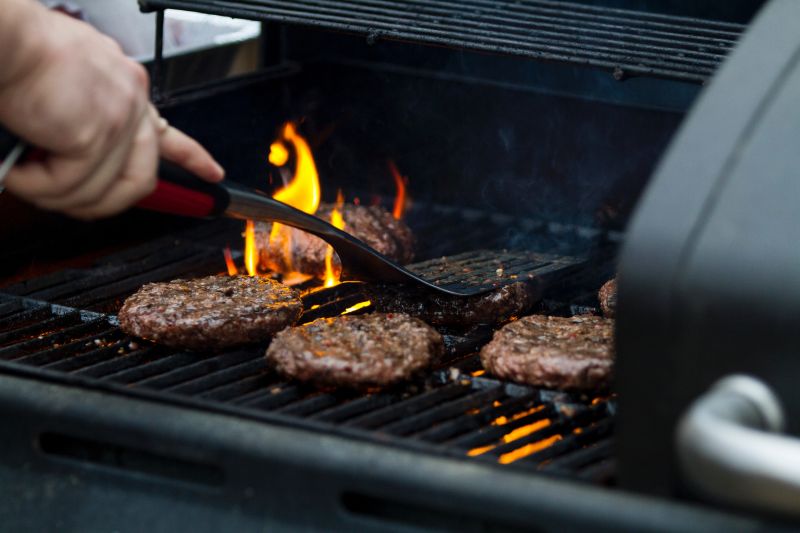
You don’t have to say goodbye to the grill once winter gets here. Really if you’re willing to brave the elements, then there’s no reason why you wouldn’t be able to grill outdoors all year long! This tip comes in handy if there is an emergency situation. Here are some grilling in the winter if you are going to try to cook outdoors.

Tips for Grilling in the Winter

Make sure you have a good quality grill.

While grilling with coals really gives food a unique taste, you’re better off for winter grilling going with a gas grill that has a cast iron grate and the highest BTU (British Thermal Unit) rating you can afford. You need something that will heat up fast and retain that heat because you’re going to lose a lot of heat every time you open the lid.

Get the tips that you need for grilling this winter from the people who know grills- Weber!

Be prepared for longer cooking times in the winter.

If you position your grill at a 90-degree angle to the wind, then you will have better temperature control. And remember, patience is a virtue when it comes to winter grilling.

Clear any snow and ice from the grill’s surface before you start cooking.

Letting it melt off will take longer for it to get to temperature. Plus, it will make for a very slippery surface later when it freezes over. So clear that area of snow to make sure you can safely get to your grill the next time you want to use it.

grilling in the winter

Grills can be harder to start in the cold winter months.

Don’t turn the propane all the way on; instead, give the wheel one turn to make starting easier.

Make sure the gas lines are clear too for proper gas flow.

Checking the gas lines, burners, and jets for blockages is a good idea year-round, really to stay safe when grilling.

Make sure your grill is not near anything combustible.

Also, a place that is sheltered from those cold winter winds is a good idea.

Dress for the weather.

But be careful that you don’t have any dangling fabric that can light on fire. So skip that scarf and any tie closures that you might accidentally lean into the grill and start a fire.

When you’re all done grilling outdoors, make sure you correctly shut down your grill.

Cool completely and clean the grease trap. Make sure you protect it with a proper cover.

When all else fails, bring the grilling indoors.

No, not with your outdoor grill, but with an indoor grilling machine like a George Foreman grill. Some newer ranges even come with an onboard grill. So if by chance you’re in the market for a new stove, check out one of those if you can’t resist grilling and would like to keep it going year long without freezing your fingertips off outdoors.

Ultimately grilling in the winter isn’t too much different than cooking in the summer. It’s just colder, and you have some challenging elements to contend with. If you can get past all of that and stay safe while you’re outdoors grilling, then you can truly enjoy your favorite grilled foods all year round.

If you are looking for a good cookbook to help a beginner – try How to Grill for Beginners on Amazon. While I am usually a huge fan of Steven Raichlen for grilling books, the one I suggest will help the starter chef from burgers and beyond!

After an introduction to best practices, common terminology, and tools, this grilling cookbook helps you get started by teaching the four main techniques that will serve as the foundation for your outdoor cooking journey. Once you master the fundamentals, you’ll be amazed at the range of dishes you can tackle with relative ease, including Classic Burgers, Kansas City Style-Smoked Baby Back Ribs, and Garlic and Lime Shrimp.

How to Grill for Beginners: A Grilling Cookbook for Mastering Techniques and Recipes

Other posts you may find useful

How to Cook on a Wood Stove

Not too long ago, stoves were people’s fireplace. Now they have become more of a lovely thing to sit around for a romantic evening or just to relax. However, you can still put your fireplace or wood-burning stove to use for more than just heating your home and providing ambiance. It’s always a great way to cook! It’s useful to have should you lose power during a winter storm as well. So here are some tips for how to cook on a wood stove or fireplace for winter cooking.

Cook on a Wood Stove

How to Cook on a Wood Stove

What You Need to Cook on a Wood Burning Stove/Fireplace

You will want to make sure you have the right utensils to cook on a wood-burning stove or fireplace. The stuff you usually use in your kitchen might not be good enough. You’ll want things with long handles. Try some of these necessary implements:

• Roasting fork
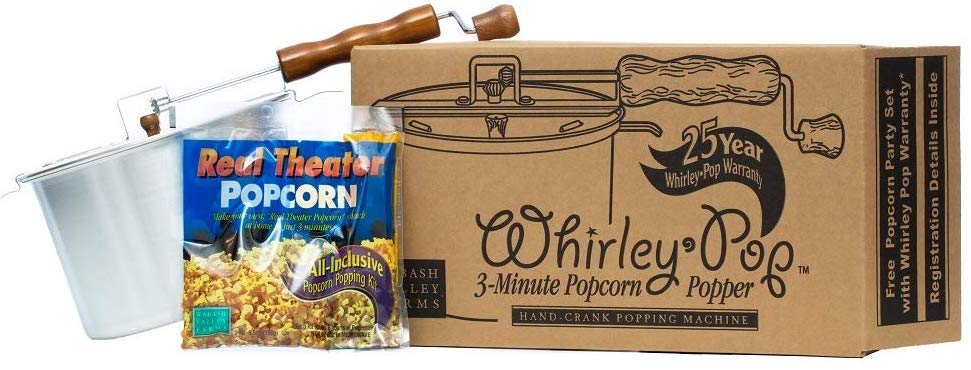
Corn popper or chestnut roaster – has a wire basket you use to hold what you’re cooking over the coals
• Pie irons for grilling sandwiches
Dutch oven – go for a cast-iron one as it distributes the heat better. This pot will hang over the fire and cook
Cast iron trivet – to help regulate the amount of heat your Dutch oven gets
• Aluminum foil
• Tongs
• A fireplace shovel
• Potholders

CORN POPPER FOR A WOOD STOVE

These are all beneficial tools when you want to cook on your wood-burning stove or fireplace this winter.

Judging the Fire for Cooking

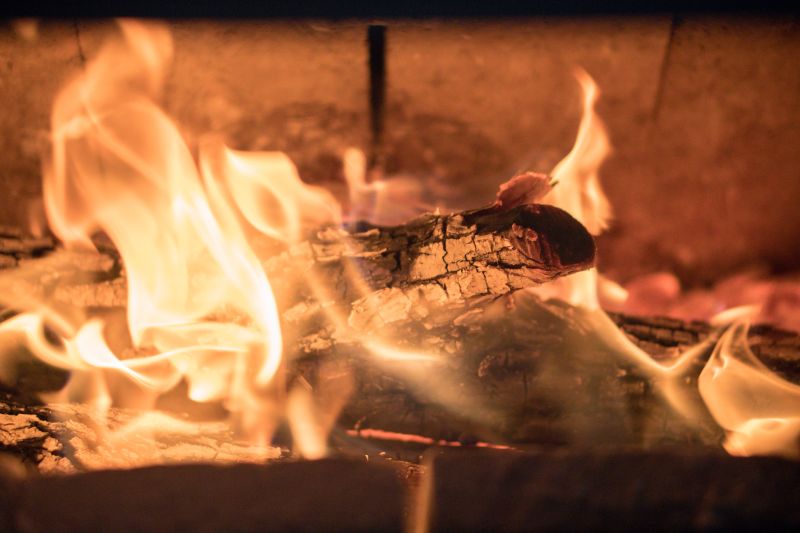
Knowing when the fire is ready might seem quite simple, but it’s not really like cooking on your charcoal grill outside. You will need a fire that has been burning for about 30–45 minutes.

A fire in its first stages is very unpredictable in temperature. With all the leaping flames and embers burning, it is not the best fire for cooking by. It will either burn your food or leave parts uncooked.

Once those flames die down, and you have a beautiful bed of coals, you have the perfect temperature for cooking with on your wood-burning stove or fireplace.

Now you can rake and distribute the coals to make for an excellent cooking surface. Placing a few coals on the lid of your Dutch oven will make things cook faster. Get at it from all directions. Remember, you must keep adding fuel to the fire to keep it burning hot.

Cooking Inside the Box of the Wood Burning Stove

You can bake white potatoes, sweet potatoes, onions, and apples inside your wood-burning stove. Just double wrap them in aluminum foil and lay the box right on the coals. Pile some coals on top and close the box. Allow to cook for half an hour and then turn over. If one area of your box is hotter than another, then move things around to give them a chance to use all of that heat.

Josh demonstrates how to fire up a wood cookstove for cooking throughout the day.

Cooking on the Stove of a Wood Burning Stove

This is where the Dutch oven comes into use. You can use the stove of your wood-burning stove as a slow cooker! It’s great for making stews, soups, casseroles, and roasts. Place all of your ingredients in the Dutch oven and place it on the stove uncovered. Allow it to come to a boil, and then place the trivet on the stove, and then move the Dutch oven on top of the trivet. Put the lid on top and cook soups and stews all day.

dutch oven for a wood stove

A roast will thoroughly cook in about 3-4 hours. Just check every hour or so that nothing is sticking, and the fire is hot. Should the fire die down, just build it back up again? If the food cools, then take it off the trivet and allow it to heat up directly on the stove (uncovered) as you did initially. Once heated, put it back on the trivet.

These tips are how you can use your wood-burning stove and fireplace for cooking – killing two birds with one stone by heating your home and cooking a meal at the same time. What’s your favorite meal cooked on a wood-burning stove or fireplace?

Other posts you may find useful: