14 Names of Edible Flowers And How To Eat Them

Names of Edible Flowers? Flowers are a part of our everyday lives, and countless times we have them hanging around our homes for different reasons like their smell or their beauty.

14 Names of Edible Flowers And How To Eat Them Article cover image

Flowers do make great centerpieces for one’s home, especially their dining table, but aside from the fact they complement your space well, do you know there are health benefits in a lot of them when consumed? It might sound strange, but there are medical pieces of evidence to prove that eating edible flowers can contribute to improving your health.

14 Names of Edible Flowers And How To Eat Them

We have done our fair share of research and have identified a few of the most interesting flowers you can transfer from your living room table to your plate. Let’s take a trip down this flowery lane…

Names of Edible Flowers: Citrus Blossom

Citrus blossom is a beautiful flower that can serve a lot of purposes other than decorating your garden or hanging from your ceiling. Transferring Citrus Blossom to your plate can help you a lot in terms of improving your inner health as well as your skin.

Interestingly, the plant can be used to make various oils that you can apply to your skin for smoothness as well as to heal sunburns and other skin issues like irritation and redness. You can also grind the plant to make tasty water, which you can consume to help you relax and calm your nerves. You can even eat the plant as part of your salads as it helps to ease tummy aches and cramps.

Daisies

Daisies are grown all over the world, and it is a flower many people consider to be wildly grown. However, have you ever stopped to think whether these plants can be eaten or not? Children are known to use them for designer chains and necklaces, while others weed them out of their gardens.

However, they are more than just physical beauty, but they can be added to your salads and sandwiches for taste and other health benefits. Consuming daisies have its benefits to include preventing or treating coughs, liver and kidney disorders, and inflammation. A lot of people also use this plant as a “blood purifier” or a source to ease the pressures caused by soreness, pain, and childbirth.

Dandelions

Different cultures have different names for Dandelions but generally known as stubborn garden weeds. They do compliment your garden well, but have you ever stopped to think about adding it to your diet? Well, interestingly, Not only do they have an attractive feature, but they are also great for your tastebuds.

They are nutritious and provide a lot of health benefits when consumed. Different parts of the plant are said to have antioxidant properties that help the body fight against many aches, pains, and other problems. The components of the plant that can be consumed are the flower, stems, leaves, and roots. When adding to your plates, they can be eaten raw, fried, made into jelly or wine, or added to your salads.

The roots can also be used to make tea (steeped). Are you making stews or casseroles? No problem, they are great for flavoring those dishes.

Names of Edible Flowers: Hibiscus

The Hibiscus plant is known to produce gorgeous blossoms that are most popular in the tropical and subtropical regions. There are over one hundred different species of the hibiscus plant that are available around the world.

Though a lot of these are edible, the most commonly consumed is the Hibiscus Sabdariffa or better known as Roselle. The flowers have the potential to grow up to six inches and come in different colors to include white, red, pink, and yellow. Hibiscus is highly known for its ornamental uses, but a lot of people will be shocked to know it can be eaten as well.

It can be added to complement your salads, relishes, tea, and jam. If you are troubled with high blood pressure or cholesterol, drinking Hibiscus tea will help you lower these and relax your nerves.

Honeysuckle

There are over 200 different species of the Honeysuckle plant, but the most commonly known or used are the Japanese and Woodbine varieties. The Honeysuckle has a strong aroma and generally blossoms in white or yellow.

These blossoms have nectars that you can eat directly from the flower. For years, Honeysuckle has been used as a Chinese medicinal product for many different health conditions. It is also proven to work great with inflammation as you apply it to the skin for soothing. You can eat the plant or nectar formed in the plant, or you can process the plant to extract oils and juice which you can ingest or apply to the skin.

Honeysuckle is perfect for making flavorful syrup, which you can use to sweeten your tea, yogurt, or sorbet, and is an excellent alternative to sugar.

Lavender

Lavender is mostly grown around northern Africa and the Mediterranean and is a dense floral herb with violet flowers. Inhaling Lavender will leave you feeling relaxed as it has a great aroma and distinctive fragrance like no other. The calming effects of this exotic plant will leave you tempted in wanting to get a taste.

And? It’s safe to give it a shot because you can indeed indulge as it provides multiple health benefits for you. You can easily add Lavender to complement your dishes like salads, pastries, syrups, teas, rubs, and spices.

It works well with all types of ingredients, whether sweet, sour, or savory. Lavender has a powerful touch, however, so when cooking with it, it’s best to add little bits until you achieve the flavor you need.

Names of Edible Flowers: Lilac

Lilac is more than just a flower with a great fragrance but one that you will enjoy delving in as it complements your dish. This amazing flower has medicinal benefits to include treating and eliminating intestinal worms.

In ancient times, it was also used as an anti-periodic tonic – that has the potential of ridding your body from re-developing certain diseases. Interestingly, herbalists of today’s age still use the plant for medicinal purposes.

How to Make Lilac Jelly is a fun recipe for a great treat.

Also, you can add the plant to your various dishes like stew or salads. The extract from the flower can also be used to create well-toned skin.

Mums

We all love a dazzling array of flowers hanging from our ceiling or positioned in the center of our dining table – to include Chrysanthemums, of course. They complement our space so well with beauty and fragrance.

But, do you ever feel like nibbling on a piece of that sweet-smelling beauty sometimes? Well, we are allowing you to do that as we are here to confirm that it is one of the edible plants you can add to your kitchen. Mums are amazing when it comes to providing your body with health benefits like providing ease and treatment for chest pains, dizziness, and headaches.

It is also great to take for chronic illnesses such as diabetes and high blood pressure. You can add it raw to your salads, heat it or grind and extract its oils for your skin.

Nasturtium

When you say tasty, beautiful, and possessing a savory taste, then Nasturtium should be floating around in your mind. The brightly-colored flower is a delicacy when it comes to the kitchen and fits perfectly in any dish you are preparing. Interestingly, all parts of the plant include its leaves, and flowers can be eaten, whether it be raw or cooked.

Are you looking for a spicy touch to your dish? Then Nasturtium should be your best bet. It features a spicy flavor, which helps to bring a difference to your meal and, of course, satisfy your eager taste buds.

Pansies

Pansies are beautiful flowers with a great aroma and interestingly not only great for your floral decoration but also as a delicious meal. The flower, which many people call “Heartsease,” has many health benefits when consumed in the various ways it can. It has been said to help persons who have asthma, whooping cough, bronchitis, fever, colds, and flu.

Besides, it helps lower the chances of heart failure and blood pressure. You can eat the flower raw, heated, extract juice, or oils for various reasons, or you can add it to your water for drinking (infusing.)

Names of Edible Flowers: Roses

The rose species is pretty large, with over 150 varieties available, and comes in different types, shapes, and colors. The best part is that they can all be eaten even though not all have the same taste and flavor.

The stronger the aroma of the rose, the higher the chances of it tasting great, but the stem and leaves are not the easiest to eat, so it is best to stick with the petals.

They have a sweet taste when consumed, so it would be great to complement multiple dishes. Aside from tasting as great as it does, eating the petals is said to help you relax and reduce anxiety levels.

Sunflowers

We are sure you see Sunflower seeds when you go to the supermarket or even the pharmacy, which is a clear indication the flower is safe for consumption.

The seeds have a high level of vitamin E and selenium, which is great for the body in fighting off numerous chronic diseases. There are a lot of antioxidants in the Sunflower plant, and aside from the seeds, you can also enjoy munching on the petals.

Violets

Violets have a lot of health benefits, making them a great choice to add as a snack or as part of your salads. It works well with improving your health should you suffer from bronchitis, headache, mumps, scurvy, colds, asthma, fever, sore throat, urinary tract infection, and many more. So, the next time you pass by that floral centerpiece in your living room, pick a few petals, wash, and enjoy.

Names of Edible Flowers: Clover

Eating Clover flowers, especially the white clover, has a lot of benefits, and not only do they taste great, but they have an amazing aroma as well. Clover is great to be eaten by people who have issues with diarrhea, rheumatism, and arthritis. You can eat the petals raw, heated, or you can dry the flowers along with the seed pods and ground them to make flour. Interestingly, this flour will be gluten-free.

Important Note:

Before consuming any of these flowers, ensure you speak with your doctor as some may contain properties that are in contradiction to other prescribed medication. 

Other posts you may find helpful if you liked Names of Edible Flowers:

How to Build an Emergency Snow Shelter

Hypothermia is the most immediate danger among those lost or stranded in the wilderness. In winter, loss of body heat can set in within minutes. Knowing how to build an emergency snow shelter to protect yourself from the cold can make the difference between life and death.

How to Build an Emergency Snow Shelter article featured image

How to Build an Emergency Snow Shelter

There are three different types of emergency snow shelters: snow and brush shelter, a snow cave, and an igloo. An igloo is a specialized build that requires a woodsman’s knife and more hardened snow than most places have so that this article will describe only the snow cave and the snow and brush shelter.

If you are in the mountains, watch out for signs that your location is subject to avalanches, such as snapped trees or a rough pile of snow near the bottom. Safe valleys will have lots of trees and saplings and have a shallow slope. The slope is too steep if you have difficulty climbing up and down in standard snow boots.

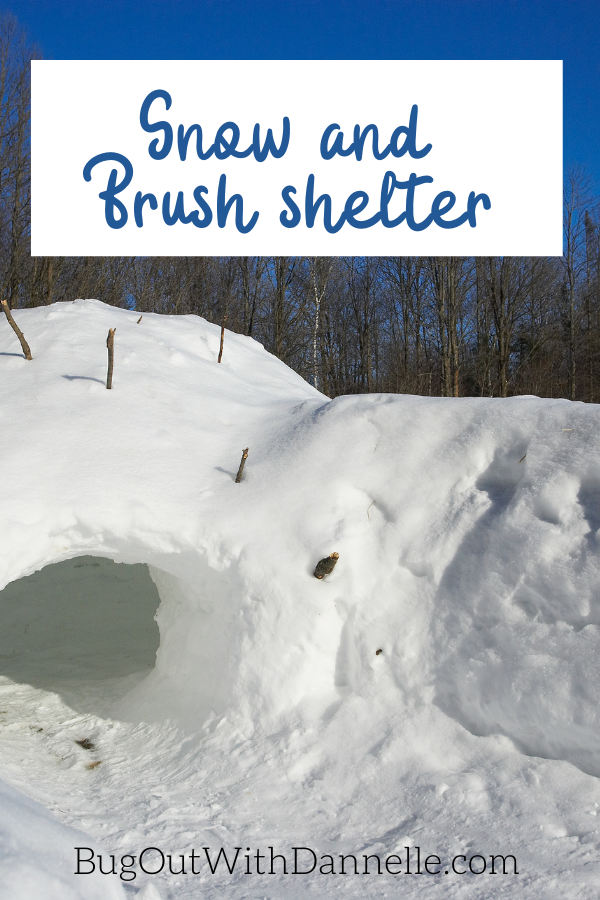
Snow and brush shelter

In this kind of emergency snow shelter, the brush is used as the skeleton of the shelter, and the snow is added for insulation. It is the best type of shelter to use in wooded areas.

How to Build an Emergency Snow Shelter snow and brush shelter

Start by finding a small thicket of bushes or saplings on the lee side of a valley. This thicket will anchor your snow and brush shelter. If you can’t find a thicket, use a log or a tree trunk to anchor your thicket. A tree in a small copse of trees is perfect.

Use a few large bushy branches from the thicket to create the framework of your brush shelter. Secure the base of these branches firmly in the snow a few feet away from your anchor. They should form a curve or V towards your anchor.

Leave an opening on the lee side of your shelter. This opening will become your entrance. Weave smaller branches into your framework horizontally, working from bottom to top until you have closed off the roof area, and most of the area is covered.

Now that you have your framework start piling on the snow. Make the walls nice and thick, until there is no place you can see out except your entrance. All that snow will be your insulation.

NO special tools are needed to build an emergency snow winter shelter as this video shows.

Place more leafy branches on the floor to insulate yourself from the ground. Set aside another large, leafy branch to serve as a door. Don’t worry about plugging those spaces. They will provide you with fresh air.

Snow Cave

A snow cave is the best form of emergency shelter to build when there is nothing but snow to work with. It is easiest to make a snow cave using a shovel, but in an emergency, even your gloved hands will do.

Start by finding some good, deep snow on the lee side of a valley. Ideally, the snow should be nearly as deep as you. If you don’t have a convenient snow base, snowbank, or snowdrift, you will have to pile up the snow until it is high enough, but this only works if it is not granular snow. Use more snow than you think you will need. At worst, you will have some extra insulation.

If you had to pile together snow to get enough, you would have to let it sit undisturbed for at least an hour. This time is needed so that it can start bonding together. Otherwise, all you have is a pile of loose snow, which will collapse when you start digging into it. It can even collapse entirely so that you can’t dig your way out again.

Once you have enough deep snow and it has had a chance to settle, start tunneling. If you are working in deep snow, dig a trench down into the snow first. Then pile the snow on top of what is going to be the roof of your snow cave.

Once you get a trench deep down enough so that the snow is at head level, start tunneling in at about knee level. The tunnel should be large enough for you to crawl in, but not much larger. Push the excavated snow out behind you with your feet. Work your way slightly upwards as you dig the tunnel. This will keep the warm air inside.

nice and detailed video about building a snow cave for survival

Shape the inside of your snow cave so that it is dome-shaped and smooth. This shape will keep water from dripping down on you as the temperature inside your snow cave rises. Over time, your ceiling will settle by a few inches a day as the snowpack settles above you. This settling is not a problem. Just keep reshaping it each time.

If time is very short, skip all that and dig a compartment into the lee of the drift or pile that is large enough for you to fit if you are sitting down. Once you are inside, you can make the inside a little larger, piling the excess snow at the lip of the compartment. Use garbage bags, your pack, or whatever else you have to insulate you from the ground and make a door.

Tips for all snow emergency shelters

Build your emergency shelter as small as possible.

The smaller and snugger you build your shelter, the better it will hold your body heat, and the more stable the walls will be. The highest point of your shelter should not be more than 3-4 feet, roughly the same size as a pup tent. This size should give you enough space to sleep comfortably and not too much more.

For extra heat, build a small fire outside your shelter, then bring the warmed rocks inside and wrap them in a cloth to hold the heat. In a snow cave, you can light a candle inside, but no more than that. Set your heat source deep into the shelter, but be careful not to knock it over. You can build a small snow shelf to hold your candle, but not for fire-warmed rocks.

Always make a ventilation hole to the lee of your shelter and keep it clear. You may have to clear it repeatedly if the snow outside is falling thickly and drifting. This is especially important if you use a candle.

Snow muffles sound.

You won’t be able to hear people looking for you, so make it easy for them to see you. A bright-colored garbage bag on the outside, anchored with branches, rocks, or heavy snow and ice, makes it easy for searchers to find you.

Daylight is valuable.

The colder it gets at night, the sooner daylight fades. For this reason, you should start building your emergency shelter immediately upon realizing that you are not going to make it to a safe area in time. After you have finished creating your emergency snow shelter, crawl inside and get a good night’s sleep, so that you can evaluate your situation in the morning with fresh eyes.

Other winter tips you may find helpful

Disaster Survival Preparedness Tips

Disaster Survival Preparedness Tips? Being prepared for a disaster can not only give you peace of mind but help you and your family survive during a time of emergency.

Disaster Survival Preparedness Tips article cover image

Let’s face it; we live in a world where being prepared for a disaster is essential. In America, you have the potential for earthquakes, floods, hurricanes, tornadoes, eruptions, flooding, fires, and more.

Disaster Survival Preparedness Tips

As we all saw during previous disasters, it takes time for rescue workers to reach you during these events. It’s up to us as individuals to be prepared to survive long enough for help to arrive, or to have enough supplies on hand until we can make our escape.

Water is Essential for Disaster Survival Preparedness

When preparing, you should consider the types of things you will not be able to live without and what necessary supplies you will not be able to get. We take for granted the water that comes out of our faucet, but if you have no power or the water lines are broken, the most necessary item to survival is gone.

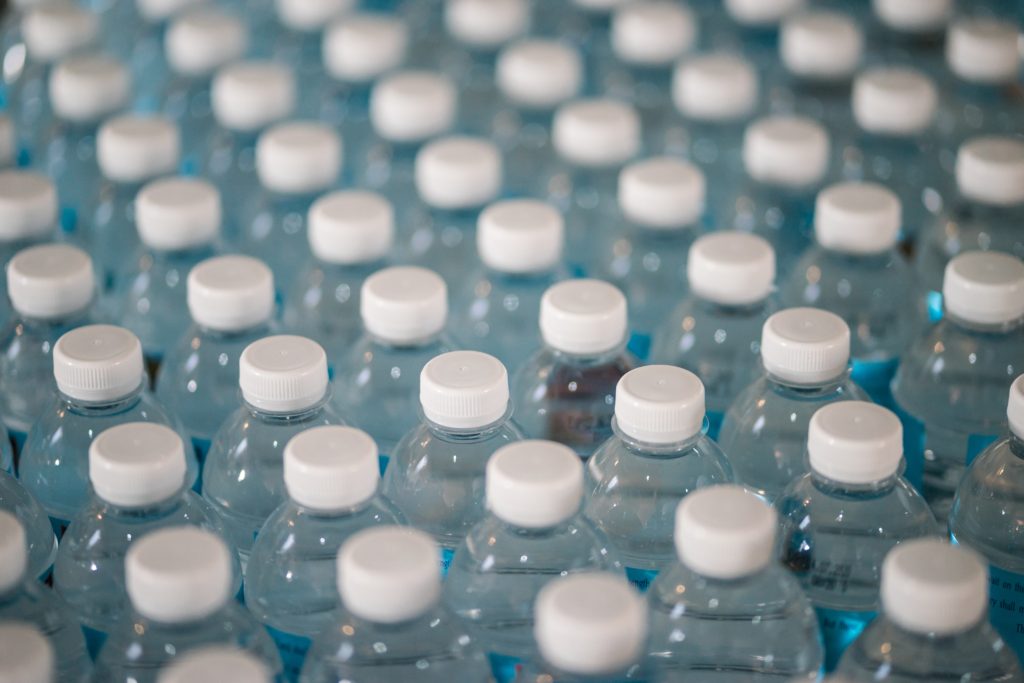
Disaster Survival Preparedness Tips water bottles

One person needs at least two quarts of water a day to survive long enough for help to arrive or to travel for help. Keep in mind, the higher the temperature, the more water you will need.

This means if you have four family members, you would need at least two gallons of water each day on hand. Since you would want to be prepared for at least three days, it’s crucial to have a minimum of six gallons of water set aside in an area that is easily accessible at all times.

If you’re concerned about needing to escape, such as in a fire situation, it’s not necessarily practical to lug around six gallons of water. You may want to consider having a water filter or purifier on hand so that as you travel, you can sanitize the water you find along the way.

At worst, be sure you have a pot and a lighter or matches so that you can boil any water you find for at least 10 minutes. You will also want to have a container so that you can store any water you have found.

For Disaster Survival Preparedness, I would recommend having a duffel bag or backpack fully loaded with your survival items. If you’re planning to simply wait it out until help arrives, in the panic, you don’t want to have to expend your energy searching your home for needed items. If you need to leave in a hurry, you can grab your bag(s) and go. We talk about Bug Out bags Here: Bug Out Bags and How to Make Them.

Now that you have the most critical item taken care of, water, other items can certainly make survival much easier.

Start a Survival Kit

I’m sure you’re next thought is food, we can survive longer than you might think without food if you’re growing weak due to lack of food, the chance of survival goes down dramatically. Needless to say, if you’re packing a survival kit, weight is going to be an issue.

Just like your water supply, you’ll want to have at least three days of food on hand for each person. You will want to store items that, of course, have a long shelf life, are low in salt, and give you maximum energy. If you have canned food on hand, be sure you have a manual can opener on hand as well!

Disaster Survival Preparedness Tips

Some food suggestions for Disaster Survival Preparedness would be unsalted trail mix, canned fruit, or other canned food with high liquid content, whole-grain cereal, ready-to-eat meals, dry mixes (though you’ll need extra water for these). Use common sense when choosing what to pack: consider the space required in your disaster kit, weight, nutritional value, shelf life, and ease of preparation.

Other items you may want on hand in the case of a disaster would be copies of all of your important documents such as drivers licenses, social security cards, birth certificates, bank/financial/credit card accounts, and medical cards.

Other Emergency Preparedness Items

Here is a list of additional items you may want to have in your ready-to-go emergency preparedness kit.

  • first aid kit and a first-aid how-to book (If you’re on life-saving prescription medications, be sure to have those stored in a ready-to-grab area as well.)
  • toothpaste, toothbrushes, soap, and/or resealable baby wipes
  • hand crank radio or radio that runs on batteries
  • LED flashlight and a LED headlamp
  • a cookstove or grate you can put over a fire for cooking
  • Sterno cans
  • matches in a waterproof container and lighters (in case matches get wet)
  • blankets and extra clothing
  • a small foldable shovel, knife, rope, and tarp (you can make a shelter if needed with these items)
  • have some cash on hand
  • cooking and eating items (manual can opener, pot, utensils, etc.) 5-gallon container
  • of gasoline and a piece of hose if you can escape in a vehicle (The hose is for siphoning gas along the way should it come to that.)

I would recommend looking for these items at a local store that sells camping items. This way, they will be made specifically to be durable and lightweight.

In addition, you may want to pack some items strictly for entertainment. It’s essential to keep everyone’s spirits high. A deck of cards is small and can be entertaining for family members of all ages. Likewise, have some hard candy on hand. It can boost your energy and lift the spirits at the same time.

Of course, if you have pets, you will want to prepare for them as well with dry food on hand and water. Animals need about 1oz of water per pound per day.

While this is certainly not an all-encompassing list or guide, it is a good place to start when preparing yourself and your family to survive when an unexpected disaster comes along.

Other posts you may find useful

15 of the Best Prepper Movies Worth Watching

It is interesting to think of the Best Prepper Movies worth watching as part of your emergency preparation homework. Movies tell a different story than what we experience in real life even most of them connect with us in real life.

Best Prepper Movies

They help us to understand that people who live millions of miles away from us are experiencing the same thing, so they too can put it on screen. A lot of these movies are “disaster-themed” and watching can help you understand and learn a few things.

Disaster Movies Worth Watching

You can put them into practice or adjust the way you prepare for a natural disaster. But what movies can you learn from? Here is a list of some of the most exciting films with a lot of lessons.

Let’s look at the Best Prepper Movies

Titanic

This movie tells the accurate tale of a shipwreck back in the earlier years. Titanic is a British passenger liner that sank in the North Atlantic Ocean after hitting an iceberg. No one expected this to happen, but as it did, everyone was in a state of shock and panic in trying to escape.

One of the most important factors one can garner from this disaster is to have a backup plan should anything happen. We all know that if they had a larger substitute boat traveling the journey, more persons would be alive. Always have a second plan.

Armageddon

Space and its elements have a way of threatening global-watch authorities, and the movie Armageddon proves that. Going above and beyond to protect what matters most in light of pending destruction is the lesson this movie provides. A selfless act might be what will leave you and your family safe after the worst is over.

The Poseidon Adventure

The Poseidon Adventure is a disaster-themed movie which saw negligence claiming the lives of many even though a natural disaster was the main reason behind it. The ship was up for retirement after serving for years, and against the advice of experts, the new owner decided to run another trip.

Around midway through the sail, a tsunami hit, and the ship overturned and started to sink. Not many details are available about emergency gears, and this should be the ideal message learned to always prepare yourself for the worst, even when everything seems okay.

15 of the Best Disaster Movies Worth Watching contagion movie poster

Contagion

This truly scares me, as germs are an invisible threat to worry about. We had to put a few titles like this into 15 of the Best Disaster Movies Worth Watching. Sickness is no joke, and it is not partial when it sets out to attack whoever it pleases.

The only way you can be safe is if you are not in close range or you are fully immunized. Contagion is a movie centered on the development and spread of a deadly disease that claimed a few lives. However, a team was put on it to remedy the issue, and before long…things were under control.

Synopsis of the story? Get a medical check now and again and, if not, get immunized to protect yourself from the onset of transmittable diseases.

The Perfect Storm

Getting lost in the depth of a natural disaster is never an easy thing to deal with, and The Perfect Storm movie details the truth about this. Andrea Gail was a commercial fishing vessel that set out for mission back in September of 1991 but didn’t make it home.

Amidst a warning to stay off the seas during an impending storm, the captain and his crew decided to brave it…might have been the worst mistake. They didn’t survive as the waves overshadowed them. A note to focus on, whenever there is news of an impending disaster and warnings from experts, you need to take them seriously.

Deep Impact

Deep Impact is a science fiction movie that tells of an impending meteor that is heading for earth and set to create mass destruction (extinction by extension). However, a few persons decided to take up the challenge to “save the earth”, and their mission after many failed attempts finally resulted in something good.

The moral of the story, you may ask? Always have a second plan in case the first fails. Also, it teaches you adequate preparation and critical thinking while in the middle of distress and a disaster.

Disaster Movies Worth Watching

Backdraft

While a fire isn’t always a natural disaster, it had to be considered for our 15 of the Best Disaster Movies Worth Watching list. A fire has no set time when it will happen or what will be the starting point.

Either way, preparing for the disaster is critical, as, unlike other emergencies, you cannot regain most items from a fire. This movie tells of some reasoning behind why a fire starts and how one needs to prepare and equip themselves for what may happen. Take note, and be cautious!

Only the Brave

Only the Brave is an exciting movie that tells about the life of some men that were “given up by society and family”. However, it happens that they were the said ones to create a haven from fire disasters in the areas they live in.

Life is unpredictable, and how you treat the information you get depends on the results you will receive. Everyone needs to be serious about all warnings about a disaster.

The Towering Inferno  

Fire is a natural disaster that can cause significant damage if not careful. The Towering Inferno movie tells of a sad case where a newly designed building that caught fire from an electrical shortage. Could it have been avoided? We would say yes, as warnings came to shed some of the power connections.

For us, living in the real world, it is safe for us to understand how electricity works and make the necessary checks and upgrades as needed. Don’t gamble with your homes and business…get a certified professional to check your connections at least once every two years.

15 of the Best Disaster Movies Worth Watching world war z poster

Best Prepper Movies: World War Z

World War Z is a horror movie that teaches strength, persistence, and courage, even in the middle of a disaster. The actors faced what could cause their life, but with much preparation and proactiveness, they manage to get the job done in achieving what was best for survival. Disasters don’t only mean tsunami, an earthquake or storms but also comes in various forms.

The Impossible

The world of a tsunami can change the world we currently live in an instance without giving adequate time to prepare for it. The movie tells a thrilling story of a family who went on vacation to bond with each other then had to split up when disaster struck.

Time went by so fast when one form of communication managed to help in letting others know what was going on. This movie teaches us to be mindful of the areas we visit and also to research any potential disaster which may happen in the area and how to prepare ourselves.

The Day After Tomorrow

This movie is a story that tells what many of us experience…a terrible storm and sometimes getting trapped in some remote areas. But amidst everything, we have to stay positive, don’t panic, and with effective communication, there is hope on the horizon. Also, do not bypass critical information that you may receive from authorities of a pending disaster. Get prepared for the worst. 

Disaster Movies Worth Watching

This is the End

This is a biggie and one that happens daily around the world. 15 of the Best Disaster Movies Worth Watching had to include a gem or two about earthquakes. Earthquakes are inevitable and happen in an area at least once. But what happens during and after is what makes the most significant difference.

The movie, This is the End tells of an emergency earthquake that comes with other strange events that most people didn’t understand. However, the most important thing to learn from this movie is communication and understanding. Amid a disaster, they still managed to gather essential items needed, yet “lack of knowledge” caused the said items to go to waste. Let your household know what is going on and expected in case of a disaster.

Best Prepper Movies: Twister

Tornados are no joke, and this movie Twister shows the depth of what this means. There are so many efforts in this movie to predict and alter the way a tornado affect a given area but to no avail. However, with adequate planning and multiple tries, the team on the job was successful in its mission. This movie teaches us never to let go of working towards what we want (the best amid a disaster).

Dante’s Peak

Living near a volcano, even if it is deemed dormant by authorities, is still a risk when it comes to disasters. Dante’s Peak once showed little sign of eruption, but when things started to change, authorities had to inform everyone of the danger lurking from the peaks, and they had to move right away. However, this mission came after a few negative feedback issues.

This story teaches the strength to believe what your heart tells you to prepare for the worst before it is too late. Also, panicking is not an ideal solution to any problem.

That is how it made our list of 15 of the Best Disaster Movies Worth Watching…can you think of one we missed? Please share!

Other posts you may find useful:

United States Disaster Relief Organizations That Help

The United States is lauded by hundreds of countries globally for their continued assistance to under-developed and developing countries with enhancement resources. They are base for thousands of charitable and disaster-relief organizations that change the lives of people and communities around the world in a positive way.

Disaster Relief Organizations

These disaster relief organizations are based on the core belief that ” life changed can make society a better place.” For years, they have been working with national and international groups to assist in emergency-struck areas as well as people living in remote areas.

We have listed a few of these organizations that have helped and are still helping with the kind support they receive from donors across the world.

United States Disaster Relief Organizations That Help

FEMA

Guided under the management of the United States Department of Homeland Security, the Federal Emergency Management Agency has been working to impact the lives of locals who have been affected by one or more disasters. They are the coordinating body that oversees the assessment and provision of resources to affected areas in aiding in restoring the location.

They have also extended their hand to other countries in providing training, education conferences, and resources to effectively manage how teams operate during and after a disaster. Their international reach also provides survival resources for local people and communities.

Disaster Relief Organizations: SBP

The SBP is a disaster relief organization that was founded by Liz McCartney and Zack Rosenburg in March 2006. They started the group after they had successfully served in St. Bernard Parish, Louisiana, in the aftermath of Hurricane Katrina. The mission soon spread to other parts of the country.

In a report dated August 2017, the disaster relief organization has rebuilt over 1,200 homes and provided additional resources to needy persons. The team has been working endlessly to help shape lives a day at a time, and with partnerships from Toyota and Americorps (volunteer assistance), they have gone to multiple states and impacted the lives of thousands. CNN and former president, Barack Obama, lauded their charitable services.

The National Organization for Victim Assistance

The National Organization for Victim Abuse (NOVA) is on a mission to changing the lives of those surrounded by crime and abuse-related crises. Since their establishment, they have provided multiple resources and services to victims, including skill-based training, advocacy, and more.

NOVA has partnered with numerous agencies in offering counseling and re-intervention services for dispatched youths who have been a victim of circumstance and abuse. The team is bent on maintaining professionalism and trust among those they assist and also helps to break the barriers of vulnerable people in their reach.

AmeriCares

AmeriCares was founded in 1979 and is a non-profit organization that provides disaster-relief and health services to struggling and vulnerable people across the country. They have been providing emergency response to medical needs and providing efficient healthcare to persons not only in the US but also around the world.

Since its inception, it has helped millions with affordable health services (including free resources) in over 164 countries. Their mission is to provide the basic need for survival, especially to communities in impoverished countries. It has multiple organizational offices in countries such as Sri Lanka, Haiti, Japan, and India.

UNICEF

United Nations Children’s Fund (UNICEF) is an agency overseen by the United Nations. They have been providing humanitarian services to millions of children in developing and under-developed countries globally. Established in 1946, the organization has been working to tackle the hunger and health crises in children and parents around the world.

They are striving to impact lives positively, especially to children of circumstances. The organization runs on donations received from private donors and governments in different countries. As of 2018, the organization received over $5.2 billion in contributions to carry out its various projects.

Disaster Relief Organizations: Team Rubicon

U.S. Marines William McNulty and Jacob “Jake” Wood founded Team Rubicon, which is a non-government disaster relief organization. The group provides disaster relief services around the world through assistance from veterans. Team Rubicon is on a mission to re-integrate the quality services of veterans to help impact the lives of civilians positively.

It all started after the Haiti earthquake when Wood and McNulty gathered a medical team to provide health services to those who suffered injuries. Also, they brought resources and funds they raised through friends and family in helping to provide the necessary support. The team’s mission is to continue assisting the less fortunate and those neglected by others.

CDS

Children Disaster Services (CDS) has been in operation since 1980 and has been positively impacting the lives of children who are affected by emergencies and disasters. The Foundation has been serving through shelters they set up across the nation to respond to cases of trauma, dislocation, vulnerable, and more.

The volunteering teams aid in providing reassurance to the children in letting them know everything will be alright. To date, they have provided emotional, psychological, and physical assistance to thousands of children.

FDS

Not all disaster-relief services provide “before disaster prepping activities,” but some do provide aid in the aftermath of an emergency. The Friends Disaster Service (FDS) is an organization that includes clean-up and restoration services to local communities affected by a disaster.

Over the years, they have assisted in rebuilding homes for the elderly, disabled, low-income earners, and uninsured survivors with no focus on race, faith, or political association. The team of volunteers who work across the U.S. uses St. Matthew 25:40 as their mission statement: “Whatever you did for one of the least of these you did for Me”. They complete all their missions and tasks under the banner of love, compassion, help, and restoration.

Samaritan’s Purse

Samaritan’s Purse is a Christian-based humanitarian aid group that focuses on changing the lives of individuals around them. They cater to the needs of the vulnerable and base their passion for helping on the Biblical story of The Good Samaritan.

The organization uses love and compassion to show its real act of kindness by providing resources to people and communities globally. Samaritan’s Purse was established in 1970 to meet the need for emergency cases in crisis areas through evangelism and development.

Disaster Relief Organizations: NECHAMA

NECHAMA is a Jewish-based disaster relief organization and volunteering group that works to change the way the world recovers from a natural disaster or emergency. They have been providing relief services and have impacted the lives of thousands across the country.

The team bases its mission on seven core factors that include: “Building Relationships, Acts of Lovingkindness, Charity/Justice, Love The Stranger, Don’t Stand Idly By, Compassion and Repairing The World.

These Disaster Relief Organizations need your help, so whether you can donate in cash or kind or by volunteering, they would appreciate it, and the lives you change will be grateful. 

Other posts you may find useful:


What To Put On Your Disaster Prepper Check List

You can only predict some natural disasters like hurricanes and a possible volcanic eruption, but mother nature has her way even then. What we expect sometimes turns out to come in different forms and forces us to make other plans on the spot.

However, if we had plans in place, it wouldn’t have been so hard to adjust to any change in the conditions. For a fact, when a natural disaster strikes, you may have little or no time to get particular stuff done, which should have already been in place.

The best bet…prepare now and be on the safe side even if it doesn’t come! Planning is the best way to cope and protect yourself and your family in the case of an emergency. But what is the best way to know what you need to have and do? Create Disaster Prepper Check List.

Prepper Check List

What To Put On Your Disaster Prepper Check List

Why Have A Disaster Prepper Check List?

A disater preparedness checklist is the best way to be sure you have all the items you need and what you should do when an emergency arises. It provides a guide for the entire family and reduces the risk of potential panicking. When you create a checklist, discuss it with your family as well as put it up around the home where everyone can see it (refrigerator, notice board, or even in the kitchen).

To protect your community by extension, you can check with your local office or authorities about the disaster which may happen in the area. Checklists come in many different forms, and all are vitally important. When planning, you need to:  

Prepare a Disaster Supplies Kit

This task is, by far, one of the most important stages of preparing for an emergency. You can store the items in a backpack or travel bag (or whatever you deem fit) that is portable and can move with when rushing. This kit includes:

  • Water – Every member you are preparing for should have enough drinking and cooking water to serve for a few weeks or months (an estimated one gallon per person per day).
  • Non-perishable Foods – These include canned foods or those packaged foods (no refrigeration needed).
  • Clothing – Rain gear, sturdy boots, and warm clothes
  • Blankets, sleeping bags or sponges
  • Medication (including prescription), and first aid kit (bandage tape, rubbing alcohol, pain killers, cotton, etc.)
  • Battery-powered flashlights, radios (and fans if needed), and a few packs of batteries
  • Cash and credit card (you never know if you may need to purchase something along the way!)
  • Extra set of car and house keys
  • Emergency contact numbers including contacts for the family doctor(s)
  • Personal and essential documents should be kept in a fire and water-proof holder (ID, Driver’s License, Passport, Birth Certificates, etc.)
  • Important items necessary for infants and the elderly (such as unique serial numbers for medical devices like glasses, wheelchairs, pacemakers, etc.)

There are other items you can add to the kit as you deem fit, which you may need if you have to move out.

Disaster Preparedness Checklist

Contact Your Local Emergency Management Office(s)

Are you aware of potential disasters or emergency activities prone to your area? If not, contacting your emergency management office is the best option. They will have all the information you need to help you to prepare adequately. You can find out details such as:

  • Disasters that happen most in the area
  • The best way to prepare for any potential disaster
  • How they issue warnings in an impending disaster (so you can keep your radio or television on)
  • The evacuation routes for the area
  • Possible assistance for infants, elderly and the disabled

It is also essential to check your workplace emergency plans, your school, and that of your children (including daycare).

Emergency Family Planning

Every family needs to have a time they set aside to discuss details should an emergency strike. Enlighten them about disasters such as fire, weather, earthquakes, and more are essential.

Also, the response action for each should be detailed. A safe spot in the home should a disaster strike is necessary and should have all the emergency items listed in the kit above. However, when choosing this location, ensure there is an alternative escape you other than the main entrance. But what should you discuss with your family? Here is a guide on what you may talk about:

  • Power outages and how to respond to them
  • What to do in case you get injured during the emergency
  • Design a floor plan and highlight two escape routes for each room
  • How to disable the power, water and gas switches should the need arise
  • Distribute a list of all emergency contacts as well as place them beside home phones. You should also discuss when it is necessary to call 911 or any other emergency contact. Also, give a local and out of state friend and family contact should there be separation during an emergency. (The central communication point will be able to provide location and whereabouts of each member).
  • Central assemble areas close to your home and out of the area in case you have to evacuate.
Prepper Check List

Discuss basic first aid and CPR practices (demonstrate if needed) Discuss essential details such as:

  • Before opening a door, check the bottom of the said door with the palm. If the door is hot, then it is safer to use another escape route (during a fire).
  • In case of a fire, it is safer to stay low on the ground and crawl to safety.

You should also consider having the following items when preparing for an emergency:

  • A collapsible ladder if one has to escape from a high-rise building
  • A fire extinguisher (one that all family members can operate)
  • A whistle to alert unsuspecting family members of an emergency
  • Smoke detectors
  • Water sprinklers

Be Flexible & Proactive With An Escape Plan

You need an escape plan for every type of emergency, as not all require the same. You should develop a plan for your home and discuss it with your family because emergency calls for flexibility and fast action. Detail every route and how to get there no matter what area of the house you are.

Also, a note to add, putting emergency kits close to evacuation routes, is ideal, and you can grab on the way out. This detailed plan should show everything that is required (highlight the gas, water and electrical switches in different colors, etc.) Once you highlight all escape routes, emergency kit location, switches, and other necessary ems, you need to point a safe area outside where all family members should meet (driveway, lawn, poolside, play area, etc.).

However, the best way to know if everyone understands it is to practice. At least twice per year, one should do a mock emergency evacuation drill.

Your Car

Your car could be a critical tool in case of an emergency, and you have to travel out of the area or even stay put for a while. As such, having a disaster preparedness checklist for this is important! Having a ready kit will go a far way. For this kit, you should have:

  • Battery-powered flashlight and radio (with extra batteries)
  • Blankets and other items of clothing for you and the family
  • Fire Extinguishers (you can research which is best to use)
  • Booster cables
  • First aid kit and medical kit
  • Water and non-perishable foods
  • Spare tire and kit (air pumps, etc.)
  • Charging cables for your phone

Additional Tips To Consider:

  • Prepare pet evacuation
  • Design home with an emergency in mind (strap large appliances to walls or ground, hang picture and glasses away from the bed, store hazardous chemicals in non-leak containers, fasten shelves to prevent falling, etc.)
  • Repair defective wiring and gas leaks
  • Other actions you feel are necessary.

Emergency happens when it sees fit, and though you may prepare, one still has to be on their guard. Last, but certainly not the least, if you have to evacuate, remember to lock your doors as not everyone is up to good while a disaster is on. Stay safe and alive!

Other posts you may enjoy once you have a disaster Prepper Check List: