Panic Buying, the Real Problem

When a hurricane is predicted to hit an area and be a fairly nasty one. When a pandemic hits and locals schools and churches are closed. When a blizzard is expected. That is when panic buying starts to be a key factor in why prepping for disaster is a way to go.

panic buying

Panic Buying, the Real Problem

Let’s look at the COVID-19 Pandemic as an example: panic buying at its best. While you can do a quick Twitter search for the hashtag #Panicbuying and see for yourself, there is a huge selection of photos and videos on shelf clearing, physical fights over things like toilet paper, and hoarders. While the memes make you chuckle for a moment, if you take a second to think, it is sad and scary.

Panic Buying Definition

Panic buying occurs when consumers buy unusually large amounts of a product in anticipation of, or after, a disaster or perceived disaster, or in anticipation of an incredibly large price increase or shortage.

Yup – that is certainly what happened when people realized COVID-19 was a more serious thing than they had originally thought.

Panic Buying Effects

It screws up the balance of supply & demand and then leads to a major disruption of the supply chain. You would then hit empty shelves, and possible price gouging as stores know they have what you absolutely need and will probably pay what they ask for.

Yup – we saw this. A lot of empty shelves, and then places like Walmart raising prices on everything from toilet paper to ground beef.

Panic Buying Jokes

Sometimes you simply need to laugh. We were all scared, there was so much that was unknown, and the information we were living by changed every day it seemed. Humor came to our rescue.

Here are a few of my favorite jokes:

Ran out of toilet paper and started using lettuce leaves. Today was just the tip of the iceberg, tomorrow romaines to be seen.

Yesterday I ran out of soap and body wash and all I could find was dish detergent. Then it Dawned on me.

How did the health experts lie? They said a mask and gloves was enough to go to the grocery store. When I got there, everyone else had clothes on.

What do you call panic-buying of sausage and cheese in Germany? The wurst-kase scenario.

The grocery stores in France look like tornadoes hit them. All that’s left is de brie.

Some of the first things to vanish

Toilet paper.

Not a square can be found on any shelf, in any store. With the COVID-19 being a respiratory illness, that was surprising and something most stores didn’t see coming. Everyone knew the handsoap, hand sanitizer, and disinfecting wipes would vanish quickly, but the toilet paper was a stunner.

panic buying toilet paper

Medical supplies.

Think of what you need when you have the flu; things to help with an intake of fluids and rest. Gatorade, broth, juice, meds to help lower a fever, and Kleenex. These items were cleared out of stores quickly, along with any over-the-counter flu and cold medicines.

Meat.

People were grabbing multiple packs of ground beef and chicken. We saw one lady grab 12 packs of chicken! The poor guy in the meat department couldn’t get stuff on the shelves fast enough, people were taking it right out of his hands or out of the boxes he was pulling items from.

panic buying where stores limit amount of items to be purchased with signs

Canned Goods.

Spagettios, baked beans, and even soup seemed to vanish. Many stores started putting up signs that said “no more than 4 of each kind” to limit the hoarding and make sure everyone had enough to go around.

Bread.

Let’s face it, schools are out and sandwiches are the fast and easy fix for feeding the kiddos. Peanut butter and jelly are a quick go-to for most families, along with eggs and toast. White bread seemed to be the winner over wheat, vanishing faster than you could blink.

Panic Buying Costco

Even Costco was out of things like toilet paper – and soon put limits onto how much of certain items you were allowed to purchase. It took 8 months for the “limit of one” case of toilet paper signs to disappear.

So let’s make a list

Looking ahead, it pays to have an adequate stock of the things we already talked about. You can avoid the panic buying and fighting people at the stores to just pick up your weekly list. Granted, this makes a lot of sense to spread out over a period of time. It is easier on the pocketbook, for one thing.

  • Pain Reliever
  • Fever Reducer
  • Toilet Paper
  • Feminine Hygiene Items
  • Hand Sanitizer
  • Disinfecting Wipes
  • Kleenex
  • Band-Aids
  • Rubbing Alcohol or Peroxide
  • Soap
  • Household cleaning supplies
  • Antacids
  • Canned Meat (easy to do yourself with ground beef and chicken!)
  • Canned Veggies
  • Canned Fruit
  • Canned Soups
  • Vegetable oil
  • Juice
  • Gatorade
  • Cereals
  • Beans
  • Lentils
  • Pasta
  • Pasta Sauces
  • Peanut Butter
  • Jelly
  • Dried Fruit
  • Nuts
  • Powdered Milk
  • Pet items
  • Candy
  • Supplies for Baking like: flour, sugar, baking powder, baking soda, brown sugar, powdered sugar

There are a lot of other things to consider, and if you join our mailing list? You will get a 52-week stock up plan that helps you build your inventory with a minimal investment each week. You will be prepared for the next big emergency and not have to worry about panic buying. You can stay home with your toilet paper and lookup #panicbuying on Twitter and enjoy and chuckle at the memes and craziness.

Other posts you may find interesting:

panic buying costco

Why your family should have a stockpile

Do you have a stockpile? You’d be surprised at the number of families that don’t. It has been estimated that the average family has only a 3 day supply of food and water in their home. It doesn’t take a rocket scientist to realize that if a big emergency happened, that those families would be in trouble.

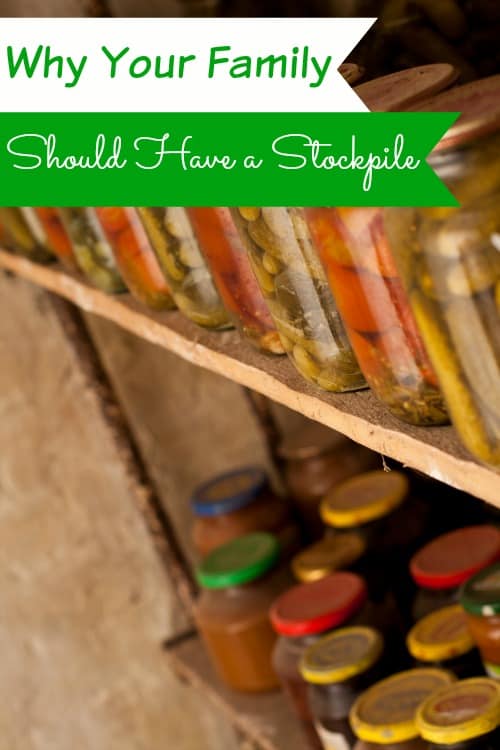
canned bottles with picked cucumbers and tomatoes on shelves

It might sound crazy, but in reality, you should keep at least 6 months on hand. Why? Let’s look at why your family should have a stockpile. I’m positive that by the end of this post, you’ll see that you do in fact need one and hopefully will start building yours!

Why Your Family Needs a Stockpile –

How long have you been with your employer? A few years? A few weeks? Great! Now tell me when the last time they downsized was? A few years? Yesterday? Jobs today, especially blue-collar jobs, are not as secure as they once were.

In the event of job loss

What would happen to your family if you lost your job and only had a 3 day supply of food? Before too long you’d have a very hungry family. Sure you could go get assistance, but even on assistance, a lot of families aren’t able to feed their families because the amount of help they receive isn’t enough.

In the event of bad weather

How about this scenario? Do you live in a weather-prone area? I mean things like winter storms, hurricanes, or flooding? What would happen to your family if you were trapped in your home for days on end due to bad weather?

Would you go hungry? Would the baby have enough diapers? Would the puppy be eating table scraps (provided there were any left).

It is for your own protection

It might sound a bit crazy to you, but having a stockpile of food and other items your family uses daily on hand will protect you from those emergencies. Not only that? It can actually save you BIG bucks!

You will save money

Who doesn’t love to save money? By buying items when they’re on sale and stocking up on them for later, you don’t have to buy them when they’re off sale. This means you won’t be paying the regular price for things and by default will save money.

What do you need?

This is just a rough list to get you to understand what we are talking about stocking upon. When you buy these items on sale, and tuck them away? You are saving money big time. We saw price gouging during the early days of the COVID-19 epidemic and the prices charged for some of the following items were horrendous.

Baking Supplies ~ Canned Foods ~ Dry Goods ~ Drinks ~ Misc. ~ Refrigerator Items ~ Kitchen items to have on hand ~ Baby Items ~ Pet Supplies ~  Bathroom Items ~ Medicine Cabinet ~ Gardening Supplies ~ Entertainment ~ and more!

I have a FREE Printable list for you here:

Just Do It

No matter what your reasons for doing it, you need to actually do it. Your family will be better off in the long run, you’ll be prepared for any big emergency that comes up and your bank account will thank you.

Other posts you may enjoy:

How To Keep Your Stockpile From Expiring

While stockpiling certainly has its ups, it has its downsides too. One of those downsides is when things expire before you can use them. It’s a HUGE waste when that happens and if you’ve worked really hard to build your stock up?

keep-stockpile-from-expiring

It can make you want to just sit down and cry. So how do you keep it from happening? Check out these tips for how to keep your stockpile from expiring.

How to Keep Your Stockpile from Expiring

Decide how long you want to stock for

The first thing you should do is decide how long you want your stockpile to last. We’re all stocking up for different reasons, but most of us expect to be able to fall back on those goodies if we need them. Putting time on it will help you decide how much you’ll need to buy to make it stretch for however long.

If you’re unsure, start with one month and take a second look after you’ve built one for that month. Most people stock for 6 months or 1 year.

It helps to keep sites like Still Tasty bookmarked to make sure what you are stocking is fresh enough to keep your needs met. Just because they found pasta and rice in the Egyptian pyramids that we could still eat safely today doesn’t mean we need to stock that much in our own homes.

Everything in Moderation

Yes, I know you’re stocking up, but keep limits in mind. If you buy too much of one item, more than your family can reasonably use, it will most likely go to waste. Purchase each item with a set number in mind and stick to it.

To be sure that you’ve got the right numbers, watch what your family uses on a daily basis. Then, as you start to have to buy things at the grocery store, write that item down. Eventually, you’ll start to see a pattern as to what is being used and how often you’re using it. This list will help you determine how much you should stockpile.

Here is a great video on food storage for beginners:

Rotation is key

One of the most important things that you can do to keep your stockpile from expiring is to rotate. Essentially, newer purchases go in the back, older in the front. This keeps your stock constantly rotated as you use it meaning that very little will expire before you can use it (as long as you don’t have too much).

To make rotation easier on yourself, mark each item with a sharpie and the date you bought it and consider getting can rotation racks for your canned items.

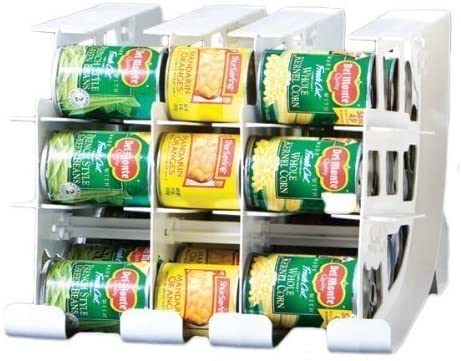
Or, you could do what I do – and pick up a few of these FIFO (First in – First Out) can rotation racks. That helps make good use of your shelves while you always eat the oldest items up first.

The FIFO first in first out Can Tracker system guarantees you’ll never have to deal with can expiration dates again by rotating your food from oldest to newest. Its easy-fit design also lets you store a variety of can sizes, from small tomato sauce cans to larger vegetable cans.

The Can Tracker can hold up to 54 soup-size cans or 45 regular-size cans. The Can Tracker has two can rotation levels. When the top row has finished rotating, the middle track will begin to rotate through. This is great if you are looking to add an organizer to your pantry or cabinet for organizing soup or vegetable cans.

This can tracker holds up to 54 cans and rotates them for you!
This baby holds up to 54 cans – I put what we use most in them like corn, green beans, black beans, condensed tomato soup, and canned pasta like ravioli!

Eat what you store, store what you eat

If your family doesn’t like beans? Don’t stock them. Why? Because they’ll expire before they get used. If your husband refuses to use a certain brand of shampoo, don’t buy it. While soap doesn’t expire, it’s still going to be a waste of money if you don’t use it.

Buying something that won’t get used, whether it’s food, baby items, pet care, or personal care is just plain silly. Unless you’re buying specifically to donate, buy only what you’ll use and you won’t have a bunch of things that you don’t like going bad in the pantry.

I know there is a learning curve for this – you will start to figure out how much of each item is really a fit for your family.

Keeping your stockpile from expiring isn’t a hard thing to tackle, but you do have to stay on top of it. If you only stash things in the closet and walk away, you’re likely to come back to expired foods and more.

Other posts you may enjoy: