How to Make Good Tasting Survival Food: Tips to Know

There is a lot of good food out there. Yes, you can take some with you to survive. Keep reading this to learn how to make good tasting survival food! 

How to Make Good Tasting Survival Food: Tips to Know

Are you trying to build a stockpile of survival food? You probably want to make sure you have plenty of food to eat in case of an emergency that would prevent you from getting more food from the grocery store.

How to Make Good Tasting Survival Food

If you’re fully prepared with a pantry full of items that don’t expire quickly, you won’t have to worry about you or your loved ones starving for food at any point. Before you start prepping any food, follow these tips to learn how to make good tasting survival food that your family can eat and enjoy.

1. Choose the Right Ingredients

The first thing you’ll need to do to make good-tasting survival food is to choose the right ingredients to use. Don’t use bland ingredients that aren’t going to give your food a great taste. If the food doesn’t taste good, you’re not going to enjoy it, even if you need to eat it to survive. The least you can do is make food that will taste good to you and your loved ones during difficult times.

So, which ingredients are the right ones to use? With plenty of ingredients to use to make meals, you might not know which ones are best to buy and use. Consider these important things when buying the ingredients for your survival food:

  • Can you enjoy them at any temperature? Choose ingredients that will taste good at any temperature, whether hot, cold, or room temperature.
  • Do you have to cook them? It’s better to choose ingredients that you don’t necessarily need to cook. While these ingredients may taste better when cooked, it’s not about preference during difficult times. As long as the ingredients will still taste good, that’s all that matters.
  • Will the ingredients last long? Always choose ingredients with an extended shelf life. Don’t choose anything that can spoil quickly. If it can spoil too soon, it’s not good to use for survival food because you might need it weeks, months, or even years later.

You can choose the ingredients after asking yourself these critical questions. Choosing long-lasting ingredients that taste good is more important than anything else.

How to Make Good Tasting Survival Food

2. Add Some Variety to Your Survival Food

Always add some variety to what you’re going to prepare and store as survival food. Even in an emergency, you won’t want to eat the same thing all the time. It gets boring and bland. Try to mix things up by using various ingredients to prepare different meals that you and your family can consume throughout the day. 

Change things up from time to time 

If you’re switching it up with multiple ingredients and different meals made using those ingredients, you won’t get tired of what you’re eating. It’s also good to have a variety for your loved ones. Not everyone has the same taste buds. You want to make sure you have a variety to satisfy each person’s preferences in your household.

3. Seasoning Can Make a Big Difference

Unseasoned foods are bland and boring. You’ll get tired of them fast. If you don’t want to eat unseasoned chicken and other meats all the time during an emergency, use seasonings because they can make such a massive difference. 

Seasoning food will make it more enjoyable 

The seasonings that you decide to use will depend on your preferences. However, garlic powder, onion powder, seasoning salt, lemon pepper, and garlic salt are a few of the seasonings that will give your food more flavor. Look up recipes for different meals that you can prepare, season, and store to eat during emergencies.

How to Make Good Tasting Survival Food

4. Store the Survival Food Properly

If you don’t intend to eat everything you’re making at once, you need to know how to store the food you’re preparing correctly. Sealing and storing food correctly is a must. If it doesn’t get done correctly, dust, dirt, and germs can get into the containers full of food and cause them to spoil, making them unusable. You don’t want to waste your time prepping only to realize that you can’t eat anything you made because it’s gone bad.

Know how to store your food properly 

Use different methods to store and save your survival food. Canning is just one method that most people use. You can follow the simple canning process to begin preserving different foods, including meats, fruits, and vegetables, that will come in handy in an emergency. Once you’ve sealed those foods in their jars with airtight lids, you can place them on shelves or in the pantry and save them until you’re ready to use them.

5. Utilize Some Store Bought Items

While making food from scratch is always a good idea, you don’t need to make everything from scratch. You can still head over to the store and buy different items that will get put to good use in an emergency. You might want to buy canned goods from the grocery store instead of canning vegetables, fruits, and meats. It’s even better to find these items at discounted rates when the stores offer special deals and discounts. 

How to Make Good Tasting Survival Food

Stock up on canned goods

So, if you see a sale, it won’t hurt to stock up on those canned goods. You can get the canned goods and put them on shelving units in your basement to save them. Canned goods tend to have such a long shelf life, making them worth every penny spent on them. Of course, you can still complete the canning process for anything that you’d prefer to make from scratch. Buying canned goods is a simple way to make things even easier for you.

Purchase bags of candy 

One thing you can buy at the store that not a lot of people think of is bagged candy. Those bags of candy will last a long time, even beyond their expiration date. 

Make Survival Food That Tastes Great

If you want to prepare for an emergency by having plenty of survival food available for each person in your household, follow these simple yet practical tips. While you want to have an impressive inventory of food to eat in an emergency, you’re also going to want to make sure that food tastes good. 

If it’s practically inedible, it’ll be hard for you and your loved ones to eat the food, even if it’s all you have available. Now that you know what steps you’ll need to take to make good tasting survival food, what do you plan on doing first?

How to Make Good Tasting Survival Food

What good-tasting survival food would you add to this list? Learning how to make good food, no matter what, it is a great life skill to have. These tips should help get you on the right path! 

Like How to Make Good Tasting Survival Food? Try these articles:

5 Threats You’ll Face When the Economy and Economic Indicators Collapse

Facing an Economy and Economic Indicators collapse is scary, however, there are things you can do. Here are five threats you’ll face in an economic collapse to be aware of. 

Do you know what could happen if an economic collapse occurs? Not everyone is fully aware of the bad things that can develop over time when an economy takes a downturn and is no longer booming and boosting like it was before.

5 Threats You’ll Face When the Economy and Economic Indicators Collapse

If you’re not sure what types of threats you’ll potentially face during an economic collapse, check out this list of the standard five threats that can happen during these difficult times. When you know what can happen, it’s easier to prepare for the worst possible scenario while hoping for the best.

economy and economic indicators

1. Looters

During the first note of an economic collapse, people tend to panic. When they’re worried about the possibility of running out of essentials, such as food and water, it’s common for people to start looting. In the beginning, they’ll loot businesses to grab items that they think they’ll need to have during the economic collapse.

However, looting can take a greater turn for the worse. Unfortunately, in some situations, people start looting the homes of others, creating a dangerous situation for everyone.

Prepare for the Worst 

It’s essential to have a stockpile of items for emergencies. You won’t have to worry about rushing out to the store and dealing with the looters to grab essentials for your family because you’ll already have those items at home. The only worry you’ll need to deal with is the possibility of someone attempting to break into your property to loot it. 

Security Measures 

Take drastic security measures to stop people from accessing your property. It’s beneficial to have strong security locks, surveillance cameras, and multiple means of protection, including firearms with plenty of ammunition. While you may have no intentions of harming anyone, you need to have a way to protect your loved ones when dealing with serious threats from potential intruders and attackers.

2. Inflation

During an economic collapse, it’s not uncommon for inflation to occur. As a result, the currency becomes useless. Even if you have plenty of paper money, it may hold absolutely no value, making it impossible for you to buy things that you truly need during a crisis. Because inflation can occur, causing the currency to become invaluable, collecting other cash alternatives is an excellent idea.

Not everyone understands how Inflation actually works – this is a great video to explain it!

Currency Will Become Worthless 

This is pretty obvious when looking at and Economy and Economic Indicators failure. Investing in gold isn’t a bad idea. If you have the extra money to do so, you can begin collecting gold coins and bullion, both of which hold value in places all around the world. You may also want to think about what you can offer to others in exchange for their services. 

Provide a Service Instead 

If you need something from someone else, you might be able to provide a service that you’re good at doing. It’s a great way to get what you need without necessarily paying cash for those essentials. It’s a traditional form of bartering that existed long before currency ever did.

economy and economic indicators

3. Food Shortage

A food shortage may occur as people begin looting and stores can no longer keep up with the demands of their customers. It’ll become increasingly challenging for stores to keep the shelves stocked as people continue to come to the stores and buy items on impulse because they’re in a panic over the situation.

When people feel that they won’t have access to food or beverages, they often rush out to buy non-perishable items and anything else they can get their hands on. Unfortunately, this leaves the shelves bare more often than not.

Know How to Prepare 

Ways to protect yourself from a food shortage include growing fruits, vegetables, and herbs in a garden on your property and building a stockpile of non-perishable foods over time. You don’t need to rush out each day to buy more items for your family. Grab the items while they’re on sale and save them. 

Store the Items Correctly 

You can store rice, pasta, canned meats, and other items for extended periods without the food going bad. You might even want to think about canning to preserve fruits, vegetables, spreads, and meats for months or years at a time.

4. Government Shutting Down

Although it’s not as common in first-world countries, it’s a real threat for those living in third-world countries. The government shutting down is a big deal. If there isn’t enough money to go around, services that people are used to having access to all the time, such as medical care and policing, may no longer exist.

If there isn’t money to pay these people for their services, those working in different fields may no longer do their jobs, putting many lives at risk.

Prepare Where You Can 

Not having police or emergency responders around is a significant problem. Without the possibility of getting caught for wrongdoing, it could lead to a major increase in crime, ultimately resulting in more lives lost. A lack of medical care could lead to widespread infections causing major health issues and possibly even death. While it’s not the kind of thing anyone wants to think about, a government shutdown could cause massive problems.

economy and economic indicators

5. Service Shortages

A major economic collapse could lead to severe service shortages. It doesn’t just mean not being able to go to the store, but also many other things. You may no longer have gas to keep your home warm, electricity to keep the lights on, or running water to flush the toilet and take a bath. 

A Turn for the Worst 

When you don’t have water or power, things can take a drastic turn for the worse. So, what can you do to help yourself if service shortages happen? The best thing to do is to buy products that you can use during these emergencies.

For example, you may want to get a portable toilet that you can use in case of an emergency. Along with a portable toilet, you can buy a portable non-electric stovetop and dozens of candles to use if you don’t have electricity to turn on the lights.

Understanding the threats that you’ll face in an economic collapse is important. It’s not about trying to scare you but preparing you for what could potentially happen. If you know of the possible threats, you can take specific steps to protect yourself and your loved ones from experiencing turmoil amid an economic downfall.

Other articles you may find helpful if you like Economy and Economic Indicators:

Five Useful Skills to learn 2021 in the Event of War or Terrorism

In the event that war or terrorism strikes, are you prepared? Here are five of the best and most useful skills to learn 2021 in the event of war or terrorism. 

Five Useful Skills to learn 2021 in the Event of War or Terrorism

While no one likes to think about the possibility of experiencing war or terrorism, it’s always a possibility that something so dangerous and severe could occur.

Five Useful Skills to learn 2021 in the Event of War or Terrorism

It’s far better to be prepared for the worst than to not possess specific skills that could help out during such dire situations. You should have several valuable skills in the event of war or terrorism to keep yourself and your loved ones as safe and protected as possible.

1. Basic Navigation

We talked about topographic maps before. If you don’t know this skill, you NEED to make it a top priority as it is the number one of our Five Useful Skills to learn 2021. If your navigation skills aren’t up to par, it’s an excellent time to work on them. Knowing primary navigation could help you during dangerous situations when you need to lead your family to safety. If you don’t know where you’re going or how to get to a safe place, it can put your life and the lives of your loved ones at risk. 

Navigation Skills You’ll Need 

Some of the things you can work on include learning how to use a compass and a printed map. In today’s world, most people rely on technology to get them from one place to the next. However, if you’re unable to access a phone, tablet, or any other type of electronic device, you’ll need to go back to using the old-school method of navigation. 

useful skills to learn 2021

Test Your Navigation Skills 

You can test your navigation skills by going camping and using a compass and printed map to help you get back to your starting point. You can even use the sun as the last resort to provide you with directions to get you back to where you came from. It may not seem like a big deal now, but basic navigation skills can get you further in life during emergencies.

2. Marksmanship

If you’re experiencing war or terrorism, marksmanship is a must. You might not have a weapon to use during these situations. However, the soldiers working against you to complete their attacks will likely have multiple weapons attached to their hips to fight off anyone that isn’t on their side. 

You Need to Know How to Use a Soldier’s Gun 

If you know how to use a gun properly, you’ll be able to use a soldier’s gun against them. You may find the gun lying in the ground with a severely wounded or deceased soldier in the middle of a war. 

If so, you’d need to grab that gun and carry it around with you for protection. However, there is no use in carrying something around if you don’t know how to use it. You can learn the basics of operating different types of guns by going to the shooting range.

3. Physical Fitness

Being physically fit is vital during challenging times when you may have a war going on in front of you. If you’re out of shape, it’s going to put your life at risk. You may have difficulty getting around or running away from potential attackers who could cause harm to you and your family. If you know that you’re out of shape and could use some exercise to build your stamina, it’s a good time to start exercising more often.

Get Moving 

Getting physically fit doesn’t mean you need to exercise all the time without giving yourself breaks. It means that you should do more cardio to improve your running skills and build stamina to get you further in any emergency. 

useful skills to learn 2021

30 Minutes a Day (3 Xs a Week) 

If you’re jogging for 30 minutes a day at least three to four times a week, you’ll get used to it, and it’ll eventually become natural for your body to jog for even more extended periods. If you don’t want to jog outside, you can always buy a treadmill and get plenty of practice at home.

4. Foraging Skills

If you don’t have access to fresh food and water because of a dire situation, you’ll need some foraging skills. While people in the United States used to possess these skills, not many do anymore, and that is because food and beverages are typically easily accessible and available to us. 

However, it would help if you prepared for the worst possible scenario by learning how to source water and food from the outdoors. It could mean the difference between surviving and dying out in the wilderness, which is the last thing you’d want to happen.

useful skills to learn 2021

Do Your Research 

Start doing some research on bodies of water and how to tell if you can drink from them or not. It would be best to learn more about the different types of plants that you can and can’t eat. If you need to source berries, fruits, and vegetables, you’ll need to make sure you’re grabbing the right things. You wouldn’t want to eat something that could poison you, make you hallucinate, or cause you to become sick.

5. Craftsmanship

Being crafty is another good skill to have if a war or terrorism occurs. Good craftsmanship makes it possible for people to build shelters out of sticks, hay, grass, and other items that they can find in nature. 

Build a Shelter 

You’ll need to learn how to build a shelter without having access to specific tools that you’d regularly be able to use when building a structure. You can learn how to use different plants, trees, and twigs to your advantage when you’re trying to protect yourself and your loved ones out in the wilderness.

Not only does it require craftsmanship, but it’s also helpful to have a creative mind to come up with ways to protect everyone while exposed to the elements and potential predators.

useful skills to learn 2021

Five Useful Skills to Learn 2021 in the Event of War or Terrorism

If a war or terrorism occurs, you should possess these five valuable skills that can keep you safe and help you travel when you need to do so. Even if you don’t feel like you currently have these skills, it’s not too late. 

You can learn more about navigation, work on your physical fitness, practice different crafts using all-natural materials, and even learn how to shoot and reload a gun properly. 

Once you’ve learned how to do these different things, you’ll know how to keep everyone safe while getting out of harm’s way as quickly as possible. There may come a time when you need to use these skills to your advantage to stay alive.

Other articles you may find helpful:

The Top Five Easy to Grow Vegetable Seeds

When you’re thinking about what types of crops to grow, check out these top five easy to grow vegetable seeds!

The Top Five Easy to Grow Vegetable Seeds

If you’re new to gardening, it’s a good idea to grow some of the easier crops to gain more experience over time. Some crops are naturally easier to grow because they require much less maintenance and effort but typically thrive in all different kinds of conditions.

The Top Five Easy to Grow Vegetable Seeds

If you’d like to become a better gardener in no time, check out these five easy crops to grow. It doesn’t matter if you have a lot of gardening space or not because here are the top five easy to grow vegetable seeds. 

1. Green Onions

Green onions are, by far, one of the easiest crops to grow when living in the United States. It’s not uncommon for green onions to sprout out of the ground on their own. You can plant the seeds and have the opportunity to harvest the green onions in as little as 30 days! So, if you’re in a rush to see the fruits of your labor forming, growing green onions is worth it.

Give Them Space! 

If you’re going to plant green onions, be sure to sow the seeds about two inches apart from one another to give these crops space to grow. You’ll need to develop a routine watering schedule to ensure that your green onions get the right amount of water. 

It’s easy to get the green onions to thrive, but you need to keep the soil moist without soaking it too much. You may see results within weeks of planting the onions. Green onions are known as one of the top five easy crops to grow. 

easy to grow vegetable seeds

2. Lettuce

Growing lettuce is a good idea for anyone. Whether you have experience in the garden or not, you can get your lettuce to grow with ease. It’s a forgiving crop that tends to do well in all kinds of weather conditions. It only takes about a month to get lettuce to grow large enough to harvest it and use it. 

Once you grow it, you can use it to make salads and wraps. You might even want to add the lettuce to sandwiches with sliced tomato, deli meat, and cheese on bread or rolls.

Ideal Spot in the Garden 

Choose the ideal spot for your lettuce. You can place it in an area that gets full sun because lettuce thrives under sunlight. However, it’s not bad if the spot that you choose gets some shade. Unlike some crops, lettuce can still thrive when planted in a semi-shaded area.

Place your lettuce seeds deep within the soil and keep them more than 14 inches apart from one another. You’ll need to give the seeds space to grow and transform into large lettuce heads that you can harvest and eat.

3. Bell Peppers

Add bell peppers to your garden for a simple vegetable that doesn’t require much effort to grow. You can get your bell peppers to grow large enough to harvest within a minimum of two months, making them a fantastic crop to grow. 

Harvesting Bell Peppers 

Once you can harvest the bell peppers, you can rinse them with water and eat them raw or cook them. Some people like to eat them with cream cheese or ranch dip.

On the other hand, some people like to add them to a pan with butter or oil and saute them before serving them with rice, sausage, beef, or pasta. Knowing that you can do a lot with them is a good enough reason to grow them!

Choose a Sunny Spot! 

If you’re going to grow bell peppers, choose a sunny spot in the garden. You’ll get these peppers to grow at a faster pace when they’re receiving plenty of sunlight each day. Be sure to use the right soil with a pH level of as low as 5.8 and as high as 6.5. Besides using the right soil, you should add fertilizer to your soil, use mulch, and make sure your bell pepper plants get about two inches of water per week.

easy to grow vegetable seeds

4. Wheat

While it’s a bit tricky in the beginning, wheat is a relatively easy-to-grow crop. Once you can get it growing, you’ll get some significant yields, and that means you’ll have plenty of wheat to use for fermentation and making homemade bread. You can mill the wheat into flour before using it in different recipes to prepare muffins, pasta, homemade biscuits, and other delicious baked goods from scratch.

How Many Seeds Can I Add?

If it sounds like a good idea to you, make sure you know how to plant your wheat seeds correctly to get them to grow. You can add up to 30 seeds for each square foot of land you’re using to grow wheat. As your crops begin sprouting, pay close attention to the area. 

You’ll need to remove any weeds that could get in the way of the wheat growing to its fullest potential. It’s equally as essential to provide your wheat crops with enough water.

5. Tomatoes

It’s common to find tomatoes growing in gardens of all sizes. You don’t need to have the most extensive garden to successfully get tomatoes to grow. It’s one of several reasons why new gardeners enjoy growing tomatoes so much. When your tomatoes reach their full size, you can harvest them and do so much with them. You can make tomato soup, add tomato slices to sandwiches and salads, and even use them in some of your favorite casserole recipes.

Use the Right Soil 

If you’re going to grow tomatoes, use soil with a pH of up to 7.0. Make sure you’re paying attention to possible pests. Tomato hornworms are commonly found in gardens where tomatoes grow, and they can cause major destruction to these plants. You can keep them away by using natural pest control products, including other pests that tend to prey upon the hornworms. Tomatoes are known as one of the top five easy crops to grow. 

easy to grow vegetable seeds

Top Five Easy to Grow Vegetable Seeds

If you’d like to start gardening and enjoy planting crops that aren’t too difficult to grow and maintain, consider planting these five options. If you have a garden full of wheat, tomatoes, lettuce, bell peppers, and green onions, you’ll have access to fresh ingredients that you can eat and use to prepare different meals.

The best part about growing these crops is that most of them don’t take long to reach their full potential for harvesting. What do you think are the top five easy crops to grow?

Other articles you may find helpful:

The Top Five Potential Alternatives to Money

Potential Alternatives to Money? While most people think money rules the world, the truth is that there are several alternatives to money that are just as useful.

Five Potential Alternatives to Money

If you’re ever in a situation where you’re unable to use cash, having some of these alternatives to offer others could potentially save your life and help you keep your family safe, well-fed, and protected.

Top Five Potential Alternatives to Money

If you know what to offer, it can make a huge difference. After all, not everything revolves around the dollar bill.

1. Gold

This is probably the most obvious of all the Potential Alternatives to MoneyGold is one of the most valuable precious metals to exist on Earth. While the currency is different across the globe, gold is a form of payment understood worldwide.

It typically has substantial value. While the price of gold fluctuates from time to time, it never significantly loses its value. It’s a form of wealth and has been for many, many years. 

Because it’s widely accepted throughout the world, it makes sense to have a collection of gold. You can work on collecting gold over time, especially if you don’t have a lot of money to invest in gold right now.

You may want to slowly but surely start to invest in gold coins and bullion, both of which will hold value. You can add these items to a portfolio and hold onto them because you don’t know when they might come in handy for you.

Silver is a great back up option if gold it too mush of a challenge for you.

Potential Alternatives to Money

2. Ammunition

If it becomes hard to come across in the future, you can expect ammunition to hold value. People want to have ammunition for different reasons. Some people want to have it to feel safe. They may want to feel like they’re capable of protecting their loved ones with their ammunition if it comes down to that. 

On the other hand, some people like to use ammunition while hunting for food to bring back to their families. If you buy it now, you’ll have plenty of ammunition to safely store in a secure spot.

Besides using it for hunting for food or defending yourself and your loved ones, you may be able to use ammunition as currency to barter for different items that you need at some point.

If you are seriously looking at this as Potential Alternatives to Money for your SHTF situation, keep an eye on who you trade this with and do it subtly. No one wants the word getting out there that they have plenty of ammo – it can be a great way to invite trouble.

3. Services

This is an often-overlooked item with the Potential Alternatives to Money planning comes about. If you can offer something to someone else in exchange for what they can do for you, it’s possible to use services as an alternative to money. For example, if you’re skilled at sewing, you can offer to sew clothes for someone in exchange for fruit and vegetables from their garden. Use your skills to your advantage. 

If you’re not sure which services you could provide as an alternative to money, think about what you’re good at and what you can offer. You may have a garden full of crops that others can eat. 

You can offer to do yardwork for someone else or even provide other valuable services to different people who can’t do what you can do. Create a list of the services you know you can offer in times of need if it ever comes down to it.

4. Energy Sources

Can you imagine what life would be like without electricity? Most people stress over the thought of not having access to modern technology, but there’s so much more to it than that. If you’re without a power source, you can’t do most of the things you’ve gotten used to doing because of technological advances and access to power sources. 

Potential Alternatives to Money

If you have coal or gasoline, you can always use it as a form of payment for services to those who could use these energy sources. You’ll find people who need coal or gasoline to heat their homes, get their vehicles running, or even allow them to cook a meal for their loved ones.

Because these energy sources come in handy during emergencies, it’s wise to start collecting them. You can buy coal and gasoline, but you’ll need to know how to safely store these products.

The worst thing to do is to improperly keep coal and gasoline because then it could go to waste, causing you to lose out on money and the chance to use these sources as an alternative to money when bartering with different people.

5. Food and Water

You can survive without gold, coal, gasoline, and many other things, but one thing humans can’t survive without for too long is food and water. So, if you have it, you know it’ll be valuable during dire situations where access to food and water is limited. 

While most people don’t want to think of the worst possible outcome, having extra food and water could be a lifesaver in the event of an economic collapse that leads to a survival situation. It doesn’t mean you need to go out and buy a bunch of water and food to build your stockpile, but you can start storing these items little by little to get prepared for any potential emergency that occurs.

One way to make sure you always have food available is to grow a garden in the backyard. Start with simple crops that are easy to grow, such as green onions, potatoes, and carrots. Work your way up to planting more complex crops that will provide you with a decent variety.

Even after you’ve harvested your crops, you can preserve them through canning or freezing methods to ensure you have access to food in an emergency. You can also begin storing fresh filtered water in large, sturdy containers that won’t cause any leaks.

Potential Alternatives to Money

Use the Right Alternatives to Money in Emergencies

Did you know that there were a few good alternatives to using money? While the currency is different in countries all across the globe, these alternatives are widely accepted worldwide.

If you’re looking for a way to pay for services you’ll receive without spending money, especially during an emergency, you can use one or more of these alternatives as a form of payment. Use your skills and the things you’ve collected overtime to pay for the goods and services you need during tough times. You’ll notice that during emergencies, many other people will do the same.

Other articles you may find helpful

Primary Dangers in Different Environments To Be Aware Of

Have you ever thought about the primary dangers in different environments that you might face? Read this guide to discover which dangers may affect you. 

Primary Dangers in Different Environments To Be Aware Of

Different environments can lead to dangerous situations. Depending on where you’re living or staying, it helps to know the primary dangers that can occur. When you’re aware of the risks, you can take measures to protect yourself and your loved ones.

Let’s look at the dangers in different environments

We have 5 specific areas that we looked at and broke them all down.

Dangers in Different Environments: The Desert

The desert is an arid area. While you may enjoy traveling through the desert, there are some dangers that you could potentially experience.

dangers in different environments

Extreme Temperatures

It’s common to experience extreme temperatures while in the desert. If you can’t handle the heat, this isn’t the place for you. Scorching temperatures can rise to 100 degrees F and above with high humidity levels, making it difficult for you to keep cool, hydrated, and comfortable.

Arachnids

Arachnids are spiders found in the desert that can and will bite humans. Their bites leave significant red marks and inflammation. The bites can sting and make it difficult for you to function because of the pain.

Keep in mind that ALL spiders have toxins in their venom so you may or may not react to it when/if they bite you.

Cacti

While you’re in the desert, you’ll come across plenty of cacti. While it’s not necessarily dangerous to see, getting too close to it can cause harm. The thorns attached to cacti can leave puncture wounds that could easily get infected if they’re untreated for some time.

Some Snakes

Many snakes slither around in the desert, including vipers, sidewinders, and night snakes. While not all snakes pose a risk, some are dangerous to encounter. It’s important to know which ones typically cause harm and what they look like so that you can do your best to avoid them while in the desert.

Lack of Water

A lack of water is a significant issue. It’s not easy to come across a body of water when you’re walking through the desert, especially if you find yourself stranded there. The lack of water can lead to dehydration that causes you to feel faint. It might even make you pass out.

Dangers in Different Environments: The Forest

Although known for its natural beauty, the forest has its own set of dangers that people need to know of and look out for while you’re traveling. It’s not always easy to get around in the forest, especially when there are so many trees, insects, birds, and other animals lingering around.

dangers in different environments

Animals

You never know what you might encounter while in the forest. It’s home to wolves, bears, and other large, dangerous animals. These animals are predatory and can cause major harm to humans.

Plants

You might think plants are harmless. Although it’s the case for most plants, you might come across some plants that aren’t good, such as poison oak and poison ivy. These plants can cause major irritation and skin rashes throughout the body that are difficult to deal with.

Weather

The weather in the forest isn’t always predictable. It can feel frigid during the winter months and extremely hot in the summer months. These extreme temperatures can put human lives at risk when stuck outdoors in the forest.

Dangers in Different Environments: The Tropics

The tropics have a natural beauty about them. While these areas are typically warm and colorful because of all the plants and trees, there are still dangerous situations that can occur in such an environment.

dangers in different environments

Few Land Animals

You won’t see many land animals living in the tropics. While this means you’re unlikely to experience a bear encounter, it also means you wouldn’t have a way to hunt and bring back food for your family if you needed to do so.

Not Much Drinkable Water

While in the tropics, you won’t have access to much drinkable water. Sure, the saltwater is there, but you can’t drink it. If you consume saltwater, you can end up hallucinating from it.

Harsh Weather Conditions

The weather conditions are harsh in the tropics. You can experience heavy rains, monsoons, and strong winds that make it difficult for you to get warm or comfortable. High temperatures can lead to heat exhaustion.

Excess Heat/Sun Exposure

While in tropical areas, you’re exposed to the sun and heat more often than ever. The extra exposure could cause you to feel dehydrated, suffer from hallucinations, and become weak. Many people pass out from too much sun and heat exposure.

Dangers in Different Environments: The Arctic Areas

The arctic areas don’t have much to offer when it comes to living there and enjoying life. Unless you’re a fan of cold temperatures, you may want to avoid arctic areas as much as possible.

dangers in different environments

Extreme Cold

The extreme cold is enough to cause anyone to end up with frostbite. While it might not seem like a big deal, frostbite can cause damage to different body parts, including fingers, toes, and feet. If too much damage occurs, you can lose these limbs for good!

Sparse Life

It’s rare to see many animals living in arctic areas. They can’t survive such cold temperatures. 

Heavy Clothes Required

If you’re staying in an arctic area, you’ll need heavy clothes. You’d need to wear multiple layers of clothing to keep yourself warm and comfortable.

Not Much to Work With

You won’t have much to work with when living in an arctic space. There is too much ice and snow covering everything, making it impossible for you to have access to grass, plants, and trees.

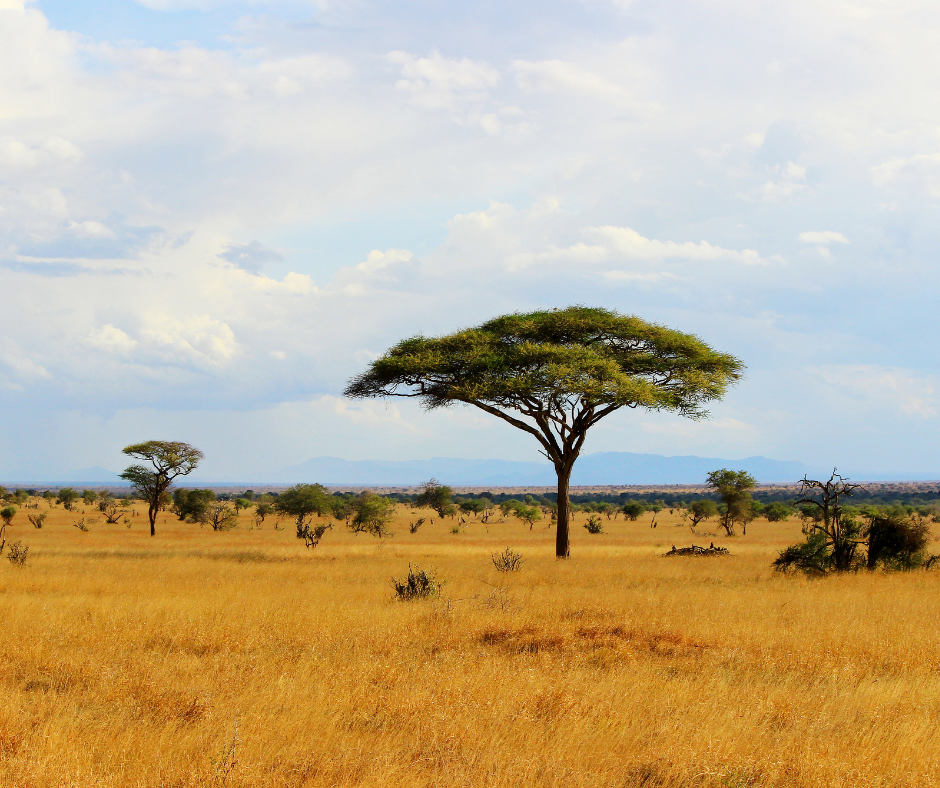
Dangers in Different Environments: The Grasslands/Savanna

The grasslands are beautiful. People often want to visit them, but there are dangers associated with these areas, too.

dangers in different environments

Lots of Predators

Many herbivores live in the grasslands. As a result, predators aren’t too far away. The predators are always within proximity of their prey, making this a dangerous area full of frightening animals.

Monsoons and Tornadoes

The weather in the grasslands isn’t always predictable. Unfortunately, monsoons and tornadoes can occur that will cause significant damage and put the lives of both humans and animals at risk.

You may notice there are primary dangers in all different environments. If you like to travel to other places to experience new things, it’s vital to understand these dangers while also planning to protect yourself. If you take the proper measures, you can enjoy traveling without worrying too much about the potential dangers that can easily put you at risk.

Other articles you may find helpful: