Consider Your Family Size When Preparing Your Homestead for Survival

When we talked about Picking Out the Right Land, we mentioned looking for roughly 4-5 acres when searching out a plot. The reason for that was we were looking at the fact that you need to consider your family size when looking for a homestead.

Consider Your Family Size when looking at preparing your homestead for survival picture of a family

How many people are in your family? Will you be adding any extended family members or close friends to your living situation? These are important things to know in the beginning planning stages.

You need to look at your home, an emergency shelter, your livestock, and garden space…

Consider Your Family Size When Preparing Your Homestead for Survival

Families who begin preparing for chaos and disaster (or even self-reliance) can prepare a home on any end of the spectrum – from a crude bunker that’s just enough to protect you from immediate harm, to a lavish homestead that anyone would love to live in even during normal times.

Safe rooms are becoming more popular in everyday houses, but some preppers take the safe room mentality and turn it into an entire safe house option. Every room is built like a safe room – protecting you from intruders, weather, and offering plenty of room for storage of supplies.

You can have an above-the-ground homestead or have one build below ground, kind of like a basement – only the entire design is built underground, offering more protection due to the fact that it’s cloaked a bit better.

You can build small cabins out in the woods, or full-on hard to enter shelters. The key is to find a property that provides the best options for you as a prepper. You want something that’s easy to access for you, but not so easy for others to locate.

Ideally, it will be near a city, but not right in it – giving you enough space to live freely without intruders. You also want it to have great soil for growing foods and if possible, its own water supply.

There are some communities springing up where you can buy land and live with other preppers. The home plans will be up to you. In addition to having plenty of room for your family and storage room for supplies, you’ll also want to build other structures on your property.

A chicken coop is a popular item for preppers, and some families even have a rabbit coop. You may also want to build an entire barn if you’re going to house dairy cows, pigs, goats, and sheep. Some families even build a smokehouse to prepare and store meats.

A greenhouse may come in handy if you plan to grow foods outside year-round. You can have small ones or large ones. Of course, you have to plan properly so that your property has enough room for all of your structures.

You can get free plans for building all of these items online, or you can have a builder customize a plan that works best for you and your family. If you’re going to make this your permanent residence, then you may want to go that route so that it’s exactly how you want it to be.

Make it Just Right

House should only be as big as it needs to be. Forget the McMansions as they are not only a hassle to heat or keep cool under dire situations, but they are taking up valuable land space that you could use for necessary living items.

You don’t need something extravagant, but you should get it just big enough to house your immediate family and potentially some close friends or extended family. Figure out how many people you are going to house, and then plan on rooms for your food prep, food storage, relaxation, and maybe a library or homeschool set up.

You want something large enough that you are not all on top of each other and driving each other nuts, but small enough to easily take care of without a lot of fuss.

Shelter in Place

Get a sizeable shelter for emergencies. Occasionally, when the SHTF, you might have marauders. We will talk about self-defense and protection more later, but we are looking at a “panic room” of sorts. Somewhere you can lock yourself in, ride out a storm safely, and then go back out to deal with the aftermath.

ADVICE FOR PREPPERS BURYING SHIPPING CONTAINERS video

You don’t want everyone crammed together in a tiny shelter, especially if you’re there for extended periods of time. I talked about shipping containers before and they can make for a great option – and are easy to put underground with a hard-to-find entrance.

I know this seems over the top – but there are so many different things to consider when looking at all of this.

One thing we learned from the riots of 2020 was that everything burns. You would hate to be holed up in your house and have them set fire to it, trapping you inside.

I may have seen too many doomsday type movies, but that seems like the worst possible way to go out – at least to me.

Stock It Up

Make sure you’ll be able to provide for all you are taking on. This means enough room for food and water storage for everyone. That is why it is important to consider your family size!

In your panic room/shelter – it can be as simple as bottles of water and MREs. But in general? We need to talk about how to be self-reliant for food. We aren’t going to be doing the weekly grocery shopping so it means planning for your animals and garden.

Generally speaking, 200 square feet of garden space per person in your family will allow for a harvest that feeds everyone year-round. So, for an average family of four, plan for an 800 square-foot garden—a plot that is 20 feet by 40 feet in size should do the trick.

How much food are you going to need to can for long term storage? Will you be dehydrating things? Freeze drying? Smoking meats? When you consider your family size, all of these are items you have to consider.

You need to look at planting the big five and then rotating around other items that you can seasonally. The big five are potatoes, corn, beans, winter squash and perhaps grains such as wheat.

If you are going to have livestock, you need to figure out what you want to feed them and see if you will have enough land to do just that. You also need to account for the land you will need to shelter them, let them graze, and get them exercise.

Switch it up

If you are a little shy on land for your gardens, look into vertical gardening, container gardening, using pallets, and so much more. There are ALWAYS alternative ways to accomplish your goals. Consider your family size, and the age of everyone to figure out how much food you will actually need.

Find your peers

May I suggest you join a few online groups for homesteading to talk to people who are actually doing what you are planning to do? They might have additional insight into what you are looking at or see as a potential problem.

Consider Joining a Prepper Community

Sometimes the mainstream media demonizing the prepper community – they act is if they’re extremists. You don’t have to tell a soul about your preparations, and in fact you really shouldn’t broadcast it because in the event of a true emergency, you don’t want panicked people coming after your supplies.

A prepper community, though, can give you that camaraderie that you seek as you make preparations to survive through a disaster – or simply live without relying on mainstream services like electricity.

There are three levels of prepper communities that you can participate in. You might start off in one and then advance to something else as you learn more about this lifestyle. There are meet-up groups, online forum communities and membership sites, and local communities that you can live in if you’re approved.

Ultimate Homeschool Planner

We whipped this gem up for you to help keep track of everything you might need to know so you can stay organized. Hands down the largest challenge are staying on task/track when homeschool planning.

If you are looking for homeschool planning pages then we have you covered with a daily lesson plan pages set as well as a printable homeschool calendar.
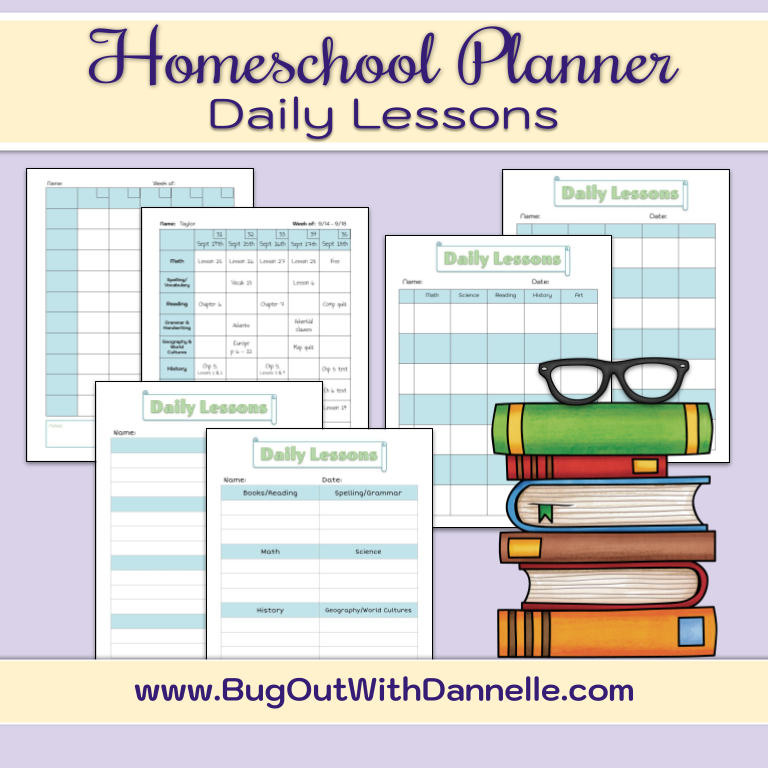
homeschool planner for distance learning

Get your FREE Printable Homeschool Planner from us here:

Online forum communities

Online forum communities and memberships are the first level of interaction most people have when they’re actively seeking to learn about prepping and survivalist ideas. You can use phrases such as “prepper tips” or “survivalist forum” to find like-minded people to communicate with anonymously.

There are even specialized membership sites, such as prepper dating sites where men and women who both share the same prepper lifestyle can meet and begin dating or forming a romantic relationship online.

Meet-up groups

Meet-up groups are local groups or groups that host seminars and events in a specific location so that people can get together and view products, share strategies and discuss concerns about the community and its movement.

Some groups actively meet up to form disaster plans as a group. For instance, in New York City, there’s a group of survivalists who have plans to help one another during an event. Because space is limited in the city for storage, they all make a commitment to storing certain items – enough for the group during a disaster.

Local communities

Local communities to live in are sprouting up everywhere. Land is being purchased for prepper families to move into but many of them are very picky about who joins, requiring you to have a certain amount of items stored up, or bring something to the table that the community might need – like the skills of a doctor or a tractor that can be shared.

You can also form a prepper community with people you meet and enjoy on your own. All of you can purchase property beside one another and form your own closed community.

Don’t be intimidated

Keep in mind that you are not alone in this. You are not the only one to do everything from collecting the eggs to weeding the garden. You have other family members who will be there right beside you. It might be like those old hippy communes of the 60’s – 70’s, but without all the Kumbaya.

Unless you like that …. ha!

Other articles you may find helpful:

How to Get Off the Grid and Survive: Finding a New Home

Finding a new home? Off-the-grid living is becoming more and more popular as people are looking for ways to live a simpler life. The off the grid lifestyle is not without its challenges, but many people have found that it provides them with happiness they were unable to find elsewhere.

How to Get Off the Grid and Survive: Finding a New Home

In this article, we will discuss what you need in order to successfully make the transition from modern society into off-grid living.

All off-grid homes have certain things in common, such as solar panels or wind turbines that provide electricity without relying on fossil fuel power plants. Off-Grid Living has many challenges but can also be quite healthy and fulfilling.

Find the right land

To start with, you need land. That property you are looking for shouldn’t be too small. You will need lots of room for building a house if one isn’t present. You will also want space to build a few various workstations as well as saving a plot for farming.

Keep in mind that off-grid living requires some level of self-sufficiency – you will have to be able to grow your own food and produce your own fuel for heating, light, or machinery power in order to survive.

Finding a new home: Location – location – location

Your new home should be away from civilization. (moving too close to a city kind of forces you to be on the grid)

The best spot for electricity is near a stream. The old feed mills harnessed that power, so can you.

Some off-grid homes might not have a water connection, which means that their occupants need to carry all of the drinking and cooking water in buckets from natural sources like springs or creeks. This could be a challenge for those who are disabled or elderly because it requires physical exertion on their behalf.

Living on a beautiful piece of remote wilderness land is a dream for milions of people. But how do you make that happen? How do you find land to build your tiny house on, or your off-grid cabin?

What else do you need?

The big thing about off-grid living is that it requires some level of self-sufficiency. You will have to be able to grow your own food and produce your own fuel for transportation, heating, light, or machinery power in order to survive!

Finding a new home: Let the Sunshine in…

If you’re looking to live off of solar power, then your home should be in an area with lots of sun exposure (i.e., near the equator). North America has some great spots that are perfect for this purpose and not too far from civilization if you need supplies on occasion.

You can’t live off the grid without a plan for food. If you’re going to grow your own vegetables and fruits, then you need a spot where there’s sufficient sun exposure during all seasons of the year so that they’ll have enough light. You could also use this land as an orchard if that’s more up your alley.

Let us help you plan your budget

Get our FREE printable Finance Tips sheet to keep with you for your homesteading binder.

finding a new home finance worksheet

Get all Dirty…

Look for fertile soil. Since there is a good chance you’ll be living off of mostly your farming, good soil that you can grow plants in is a major help. I could tell you a lot more here, but you have to decide what kind of gardening you want to do – check out Try To Garden for lots of tips and ideas.

Finding a new home: Are there trees?

Make sure that your land has plenty of trees and shade so you have a place to cool off from the sun when it gets too hot.

You will also want to harvest a few of them occasionally for firewood…which brings another challenge.

Time consuming tasks such as cutting firewood by hand which can take up to six hours a day and the knowledge to start a fire could be as challenging as you want it to be.

Gather Your Supplies

You want to make sure you have nothing electric. All of your supplies and items brought along shouldn’t use electricity for proper off-the-grid living.

A tent can be your off-the-grid home while you are building. They are inexpensive and portable, perfect for a temporary shelter that you may need to move from time to time.

Quick tip though: If you plan on living in a tent year round then it will require more insulation such as an army blanket or sleeping bag so you won’t have to freeze during the night.

Finding a new home

Quality not Quantity

Bring quality tools. Not to knock Harbor Freight, but they are not exactly built to last. Grandpa’s gems were not all shiny and pretty but worked fantastically and held up incredibly well. You are going to want tools that are going to be able to be used for a long time.

This is especially important when you are going to be living off-grid. The average person will go through a lot of tools in their quest for survival, so don’t skimp on buying cheap ones that end up breaking and needing replacement.

Finding a new home: Roughing it

Hunting and cooking gear are key. You know how to make a fire and possibly work with a solar oven will be extremely valuable.

Buy or find some good cooking gear like pots and pans. You can also fashion them out of clay if needed, but you might want to research that a bit.

Bringing along a rifle with lots of ammo will allow you to take down large game that can feed your family for weeks.

Hunting is a great way to get food, but you have to be careful. If the area where your off-grid home is located has hunting laws that prohibit hunting, then this might not be an option for survival.

If hunting is off the table, and keeping food off of YOUR table, then look at learning how to make snares and traps!

Let’s Get Cooking

Consider Using a Solar Oven to Cook Food. Building your off-grid home in an area that has plenty of sunlight is critical if using a solar cooker! If all else fails, this could be your last resort for cooking large quantities of food over time. A solar oven can cook food fairly well without using any power or fuel source. That lets you save your wood for heat purposes.

A camping stove would work also.

There are many brands to try, but I like Solo Stove. The Solo Stove is a compact, highly efficient wood-burning stove. It can be used to cook food and boil water without the need for open fires or stoves that burn fossil fuels like propane/butane gas. Planning a Camping Trip? Shop Solo Stove’s Camp Cookware Today!

This means less weight, no smoke, and reduced fire danger for your property. And when you’re done cooking, the Solo Stove can be used as a fire-starting source for your wood stove or campfire.

It isn’t going to be easy and we JUST got started on this. If this sounds like life for you, then get off of the grid and go find your new home!

Other articles you may find helpful:

Mentally Preparing for a Weather Catastrophe

It can be a very scary feeling to watch the local TV stations and see an impending weather event heading your way. Mentally Preparing for a Weather Catastrophe is one small thing that is important for you to navigate the situation effectively.

Mentally Preparing for a Weather Catastrophe article cover image with a hurricane

In Wisconsin, we only have thirteen minutes max from when they declare a tornado warning until it would hit. That isn’t a lot of time to panic or prepare – really just enough time to hit the basement or lowest part of your home.

It is different for those that have to watch a hurricane heading their way on TV for several days, up to a week. Are they tracking the path correctly? Is the intensity going to be what they plan? Are shelves being cleared as people stock up on water and canned food?

How do the hardware stores look- is plywood vanishing as people are trying to board up windows? Are highways crowded as people move inland?

The wildfires of the west are tracked and people try to decide if they need to leave their homes and all of their belongings just because the wind shifts.

You can see how the mental strain of watching something possible come up leaves people with a feeling of helplessness – and as they look for a semblance of control there are some things to consider.

Mentally Preparing for a Weather Catastrophe

Yes, I said MENTALLY. The illusion of control is very important to people and that is why the cold war had a ton of “duck and cover” campaigns. Looking back now, we understand that “duck and cover” would do absolutely nothing for us in the event of a nuclear bomb hitting our area – but it gave people something to focus on.

Learn How to Not Panic

Panicking is the worst thing you can do in any survival situation. It doesn’t help anything at best, and at worst it hinders you greatly.

This goes against our natural fight or flight response, but a clear head can make all of the difference. You need to be able to handle dealing with the aftermath of natural disasters and that means pushing the panic aside.

After outside help arrives, or everything is back to normal, THEN you can fall apart. Let all of those adrenalin endorphins dump and breathe – but get through the first few moments first.

Understand the severity of your situation

Not every weather catastrophe is the end of the world. Hurricanes for example may be bad, but it’s not going to kill you if you do everything right.

Are they calling for an evacuation or are they saying to shelter in place? Can you safely board up windows and hunker down? Do you need sandbags? It is a category 1 or 5?

There are so many things to take into consideration, but you need a clear head to do it.

Mentally Preparing for a Weather Catastrophe: Look on the brighter side of things

After a disaster, it can be easy to wallow in what you’ve lost, but try to look on the bright side of what you’ve kept, such as family.

Everything can be replaced. Every. Single. Thing.

It may take time, may take money, and may not be exactly the same as what you had before, but it can be replaced.

People can’t.

Hug your loved ones and keep your chin up – you are still together!

Taking Steps Before a Disaster Can Put You at Ease

Knowing that you’re well stocked up and prepared to take on the disaster can make it a lot easier in your mind, making you less likely to panic. This is a good thing to get the kids engaged so they have that illusion of control that I mentioned. It will help keep them from feeling helpless.

Do better – BE better than the FEMA guidelines that suggest a 72-hour supply for everyone. Think weeks, if not months of food, water, and medical supplies.

It’s a well-known fact that when a crisis is raging, there’s often panic among the masses. One of these reasons is because the media will often hype up situations in order to drive up the ratings.

This works because what it does is whips people into a frenzy and they make a run on supplies. You’ve probably seen empty grocery store shelves during times of uncertain weather.

When this is going on, it will often create a state where the demand will exceed the supply, which in turn only fuels more panic. What retailers do in response to this panic is they will jack up the prices.

just before a hurricane hits

Mentally Preparing for a Weather Catastrophe: Food storage

When stocking up on food – try keeping track of what you normally eat, as a family for a month. Look at that list, and then try to find the shelf-stable equivalent for your food storage.

You don’t need to gather tons of freeze-dried items or even MREs but can work through canned food, your own dehydrated fruits, and veggies, and your own canned soups, stews, and meals.

I know we have a lot of “heat and eat” meals ready to go – that not only make beyond busy weeks a breeze but are there for when we have to use a grill in the backyard to heat up a pot of planned goodness to fill our bellies.

You’ll need to do this for every member of your family – including your pets. For your water supply, you’ll want to look for ones labeled emergency water pouches or survival water pouches if you are looking at short-term supplies.

Water storage:

I have talked about this a lot – from rain barrels to bottled water, this is the biggie we need to make sure we have enough of. Keep an eye out on sales and pick up a case of water here and there, slowly adding to your stash instead of being in the checkout lines with the panic shoppers when something wicked is heading your way.

First Aid Supplies:

Build that extensive first aid kit before an emergency. It is good to have everything from ace bandages to pain killers on hand for helping possibly wounded survivors. You won’t feel horrible stacking people in a triage situation where they have to lay in misery until outside help arrives.

You’ll see sales on holidays like Black Friday, Cyber Monday, and other days. Watch for the supplies you need to go on sale then, especially if they’re the more expensive items.

free shipping banner

Watch the sales

Pay attention to in-store sales, discount sales, and bulk buying sales. You can usually find something on sale in every one of the categories on your list. Keep it handy (and updated) and carry it with you at all times just in case.

Survival and prepping is something every household should be doing, regardless of their level of income. Dire situations don’t discriminate when it comes to wreaking havoc on society, and you want to be just as ready as your neighbors (if not more so) when anything causes you to go into bug-out mode.

No amount of prepping is too small. If all you can buy is an extra 3-pound bag of rice, then do it. A couple of cans of soup here and there is also a start. Don’t wait until you have plenty of extra money to buy everything all at once.

Having a Radio Can Make a Big Difference

Hearing constant updates about the situation can put your mind at a lot of ease compared to just hoping it’s safe outside constantly. A Hand-crank weather radio will be your best friend, especially if you have no power.

That is great for hearing about what is going on but won’t let you communicate with others. For that, you’ll want to splurge on a communication device such as ham radio or world band radio. You might also want to consider a short-wave radio. Splurge on a decent antenna and a solar charging system.

Other articles you may find helpful:

Dealing with the Aftermath of Natural Disasters

Dealing with the Aftermath of Natural Disasters is something I feel isn’t often discussed – BEFORE an unsavory situation occurs. It doesn’t matter what kind of natural disaster we are talking about – we pretty much need to follow all of the same steps going forward. Think of it like dealing with the standard steps of grieving, you need to work your way through it all so you can move forward.

Dealing with the Aftermath of Natural Disasters showing an earthquake mess

There are probably a few more steps in here that you might experience, I am just covering the big basics. The bottom line? If YOU have survived a natural disaster, you CAN move forward and get past all of this.

Dealing with the Aftermath of Natural Disasters

What constitutes a natural disaster? Natural disasters are catastrophic events with atmospheric, geological, and hydrological origins (e.g., droughts, earthquakes, floods, hurricanes, landslides) that can cause fatalities, property damage and social environmental disruption.

Whew- isn’t that a mouthful?

Basically, it is anything that the planet can throw at us that majorly disrupts our way of life.

Knowing that, we can plan ahead for only so much. We can have our first aid, food stores, water supply, and bug out bags – but depending on the situation? We may or may not have the access to all of that. Let’s look at what we might have to deal with:

Handling the Initial Shock

It can be very shocking at first when you see your home severely damaged by a storm, but you have to remain calm and collected.

I remember when tornadoes hit Stoughton Wisconsin in 2005. There was an F3 that leveled a few homes and farms – spreading contents everywhere. The local community pulled together and volunteers combed the area to help clean up and collect belongings for the original owners.

A mom brought her little girl along, maybe seven years old, thinking it would not only be a great service opportunity, but a lesson on nature, disaster preparation, and survival.

It backfired big time.

That poor kiddo was traumatized at seeing toys spread across a field, some speared by corn stalks. The mere thought of that happening to HER belongings was more than she could conceptualize and they had to leave.

She is probably still in therapy to this very day – the poor kiddo.

That is the thing to keep in mind though, it IS shocking to see the aftermath.

  • The remnants of your belongings scattered across an area.
  • The watermarks up to the second story of your flooded home.
  • Your yard covered in feet of sand and silt.
  • Your belongings under layers of rubble.

You need to be mentally prepared for WHAT you might be looking at after an extreme event – maybe watch a few videos, together as a family, to get an idea what might happen so there are no surprises.

Here is a great video on Earthquakes: Earthquakes 101 | National Geographic

Aftermath of Natural Disasters: Assess the Extent of the Damage

Sometimes storm damage can look worse than it really is. A few shingles missing from a roof isn’t really as bad as it seems, but broken windows or caved in structures can be quite bad.

It is important to decide if your structure is safe enough to actually stay in post-disaster. Can your windows be boarded up? Do you need to add a support beam or two for floors? Is everything soaked beyond belief?

Eventually, insurance will get involved, etc – but from the history of events in the United States? It can take months, if not years, for everything to be settled. Just look at the aftermath of Hurricane Katrina in New Orleans. That is the lack of efficiency at its best – with government fund mismanagement and insurance fraud.

It will also need to be defensible against rioters or looters – there might be other, more desperate people out there to be aware of.

You need to decide if your home is safe enough to live in right now, or not.

free shipping banner

What to do if your house is gone

Severe disasters can sometimes completely level houses or damage them to a point beyond repair, so you will need to figure out if a shelter or temporary housing is the best option.

Rough it

If you have camping supplies, a tent, or even a pop-up camper, you can probably make it through without having to leave the area if the environment is safe enough. It certainly beats those FEMA trailers that turned out to not only be toxic but designed for a short-term living situation. We are talking six months or so.

Public Shelters

The Red Cross often sets up shelters in schools and community centers. This may be a viable option – but those are usually build on the cheapest land and that land gets hit the hardest. Schools are often leveled in an earthquake.

Friends and family

If none of those are workable options for you then seeing if there is a family couch you can surf might be the next best step. I know I could have stayed with my mom in an instant if I needed to – and have offered my sister in Florida a safe haven when hurricanes have invaded.

They will no doubt be the most understanding if there are a lot of personal items that are destroyed. You can try to regroup and look ahead for a brighter future.

Dealing with the Aftermath of Natural Disasters picture of flooding

Don’t Try to Deal with it All by Yourself

You should seek out help after a natural disaster to have your home at least somewhat restored. If a disaster is serious enough, many people around the world or country will donate, even the government at some points.

While this is true, it can take a LOT of time for the funds to trickle down to those who actually need it. Some insurance companies are awesome and set up “drive-thru” clinics to speed the process along.

People will come in droves to assist – usually bringing food, water, clothes, etc and then, the manpower will come. Even kids in church youth groups will arrive to help clear debris and restore some semblance of normalcy once an area is deemed safe.

This is where you can have some faith in humanity – they WILL pull together and help you, mostly the average Joe.

Aftermath of Natural Disasters: Tensions can be High

You’ll have a lot of emotions running through your head after a disaster, but learn to handle them rather than lashing out on people who couldn’t have done anything about it.

Everyone involved are going through some of the 7 stages of grief:

  • Shock and denial. This is a state of disbelief and numbed feelings.
  • Pain and guilt.
  • Anger and bargaining.
  • Depression.
  • The upward turn.
  • Reconstruction and working through.
  • Acceptance and hope.

While you do need to protect you and yours, you need to realize you are part of a larger community that is going through the same thing.

When downtown Sun Prairie exploded, I couldn’t believe all of the fundraisers and volunteers! I still see #SunPraireStrong bumper stickers and T-shirts to this day – and some of those who received help? They have gone on to pay it forward for other unfortunate incidents in our community.

The bottom line when dealing with the Aftermath of Natural Disasters? It is all about your mindset. Be ready for what you MAY experience and know that we can do anything, for a short period of time. If the people you love have survived, you have saved everything that is really the most important in life. You will be OK going forward, even if it is a rocky journey at times.

Tornado aftermath of a tree that fell through a house

Other articles you may enjoy:

Best Guns for Any SHTF Situation

The best guns for any SHTF situation are the ones that you can rely on to perform when chaos is all around. This means that firearms with low recoil, high magazine capacity, and good accuracy are going to be your best bet.

best guns for preppers

We’ve compiled some of the best guns for this type of emergency below. Read on to discover which gun will work best for you!

A 12 Gauge Shotgun

The 12 Gauge Shotgun is a standard staple. This is a great all-around gun because it can fire pellets of different sizes and types depending on the situation. These shotguns are also very easy to use, which means that even beginners will be able to pick one up quickly in an emergency situation or SHTF event.

This makes it extremely versatile, inexpensive, and often very reliable.

The 12 Gauge Shotgun can be used to hunt anything from rabbits and birds to deer and even defend against bears just by using different rounds.

Here is the bonus: ammo is extremely common.

If you are looking for a reliable, versatile gun that is easy to use and won’t break the bank then this shotgun will be perfect.

Mossberg 500 12 Gauge Pump

The Mossberg 500 12 Gauge pump-action shotgun can also work well in an emergency situation or SHTF event because it has a higher firing rate than other shotguns – which means more pellets hitting your target. It also has a safety mechanism so it can be stored and used easily without accidentally shooting someone,

The Mossberg 500 12 Gauge pump-action shotgun is also lightweight – which means that you won’t have to worry about the gun weighing down your pack or bag when carrying it in an emergency situation or SHTF event.

9mm Pistol

A 9mm Pistol should be your second item to stock. Again, it uses a very common round, so you should be able to stockpile your ammo. It is also small enough to carry on you at all times.

That means it can easily be used against most attackers, assuming they’re not large animals like bears.

You will find a wide variety of prices on these guns ranging from high-end competition to bargain-bin pricing, yet functioning should all be roughly all be the same.

The Glock 19

The Glock 19 has a good reputation for reliability and is available in most areas.

It also comes with the added bonus of being lightweight, so it won’t slow you down when carrying it around during an emergency situation or SHTF event. There has got to be a reason the police use it.

“Finding one gun that can do everything may not be possible – but finding a few guns that can do most things is.”

The AR-15

If you have the funds for it, we recommend investing in an AR-15 or Similar Rifle. This rifle has many uses and will be reliable as long as it’s kept clean. It also comes with a variety of optics available to suit your needs, which makes it handy to be used against attackers at a longer distance.

The AR-15 is also good for hunting, as it can be used to take down a deer or other large game with ease.

Again, 5.56/.223 is widely available all over the US, so stocking up on ammo should be fairly easy.

Bolt-Action Rifles

If you’re looking for more of an all-around gun in the best shtf guns list: we recommend having two bolt action rifles on hand and plenty of shells (preferably .308).

The bolt action rifle is a great weapon for long-distance shots, as it will be able to take down most targets with one well-placed shot. It also requires less ammo and can fire off more rounds before needing to reload.

And if you’re in need of defense at closer ranges: the pump shotgun.

These are common for hunting, usually well built and suited for outdoor environments. They should be able to take some abuse from a survival situation and still work well.

Where can you hide your guns?

If you don’t have a gun safe but want your weapons stashed around your home? Get our FREE Printable list of places that will work for any SHTF situation. Please make sure ALL family members know the locations as well as how to handle the weapons safely.

where to hide your guns

Last, but not least, I want to mention a .22 Breakdown Rifle.

While a .22 isn’t particularly powerful and shouldn’t be your first choice when looking at the best guns for survival, but the ammo is very cheap, meaning you can get a lot of practice with it. The rifles can be used by the whole family due to low recoil, and the breakdown versions allow them to be easily stored.

These are great for small game hunting, and a good choice if you’re not going to be shooting at anything farther than 100 yards. They can take down lots of small game up to coyotes and can kill people if really needed in a split decision situation.

It’s also less expensive than other rifles due to the weapon being made of fewer parts, making it easier on your wallet in a SHTF situation or survival scenario.

If you’re looking for a rifle but have to keep a low profile in public, the Ruger Mini-14 is perfect for you. It can be discreetly carried and quickly drawn when needed without drawing attention as an AR-style weapon might.

Which one is the best gun for a prepper?

The best guns for any survivalist or prepper?

I always recommend trying out different firearms until one clicks with you so that you can make your own decision.

For some people, the feel and weight of a gun will be more comfortable than others.

What might suit someone with smaller hands better may not work for an individual with larger hands, so it’s important to try out different weapons until one clicks for you personally!

Other articles you may find interesting:

5 Survival Booby Traps to Defend Against Attackers

5 Survival Booby Traps to Defend Against Attackers? OK, some of these aren’t used for defense, but for survival as you use them to actually feed yourself in an emergency type of situation.

5 Survival Booby Traps to Defend Against Attackers article cover image with a rough camp set up

Yes, there will be times you need survival booby traps set around your home or bug-out area to make sure that you are safe from those who wish to do you harm.

5 Survival Booby Traps to Defend Against Attackers

Snares

Snares, or small game traps, come in various kinds in various sizes and can be used to catch animals and intruders from things the size of rabbits up to boars.

I could go on and on for a long time here, but let me keep a few things simple as there are entire books written on just this topic.

In a bug-out situation lasting more than a few weeks, you’re going to have to come up with a source of food quickly. Unless you know what fruits and berries are safe to eat around your area, getting your nutrition from meat is probably your safest bet.

However, not everyone has the patience or skill to sit around waiting for an animal to come into sight and hunt them with a gun or bow. Sometimes, trapping is the safest bet for catching food.

Trapping has been used to great extent for centuries all across the world because it has a few advantages over hunting – primarily that you can set up multiple traps and have them all set at once, while you can only hunt one animal at a time.

The first kind of trap is very simple and easy to use, though it’s not always guaranteed results. The Havahart One-Door animal traps work well for catching small game such as squirrels, rats, and chipmunks.

They’re very simple: it’s a cage with one side open, and when a pressure plate on the inside gets triggered, the door closes and the animal is trapped. You can place bait on the other side of the pressure plate to entice animals to enter, and when they try to walk over to the food, they’ll trigger the trap.

You can also place sticks and leaves around the outside of the trap so that it doesn’t stand out as much. The second kind of trap is harder to use, but works on a much wider range of animals and is more compact.

DakotaLine Snare Traps can trap anything as small as squirrels, up to something as big as a hog. The snare design of traps is one of the oldest and can be made from rope or wire.

These premade snares will snatch any prey that wanders through them. They’re almost undetectable to the animals until they’ve set off the trap. Finally, it might be easier for you to trap fish than land creatures.

Eagle Claw Minnow Traps can catch the smallest fish, crawfish, crabs, and even water snakes. Once fish enter, they can’t find their way out. Attach the trap to a rope, and attach the rope to a tree or something solid so that the trap doesn’t float away.

After a few days, the trap should have at least something in it. You can catch crawfish by placing smaller, dead fish in the traps, which will attract scavengers like crabs and crawfish.

If you really want to learn more about snares and traps, I found an excellent book to add to your library: The Trapper’s Bible

It contains lots of useful information on making traps that you can use to catch any possible predators before they reach you, also allowing you to catch food for survival. It is worth the investment!

Stake Pit

Steak pits, or spike pits, are nasty but very effective. It takes a bit of time to build one, and you may need more than one if you are looking at these for either defense to to catch a large animal.

These were used in Vietnam War, and are essentially a pit with sharpened bamboo sticks or wooden stakes sticking up from the bottom of the pit. The top of the pit covered in a thin layer of leaves, so anything that walks over it falls into a little spike pit.

Just. Ouch.

But it will stop a bad guy in his tracks.

Here is a video that gives you a better idea, even if it is animated.

Alarms

Occasionally, running away is a smart tactic for your situation. It pays to know when someone or something is coming though and that is where alarms come in handy.

Using tripwires and noise-making devices, you can be alerted to the presence of any intruders while potentially scaring them off. If you are eating canned goods – save those cans for your alarm or have other, smaller things at your location for future use like small bells that come in a package at your local dollar store or even flatware that you grab at your local thrift shop for pennies.

Bullet Trap

This is a fun one to google – because a bullet trap is also what a lot of shooting ranges use. That is NOT what I am talking about here and the instructions are almost impossible to come by.

Basically, it is like a landmine: an intruder steps on a metal tube mostly buried in the ground. Inside that tube with the rim sticking out is a shotgun shell, with the primer set against a nail. Stepping on it will cause the shell to go off, shooting the invader from below.

Just make sure YOU know where you have them all located as they are much smaller than a spike trap and it would be a bad thing to catch yourself or your family members in.

Bait-Related Traps

This is pretty straightforward as far as survival booby traps go. Setting out something desirable like a gun for a human in a survival situation or food for animals and rigging it up to hurt the person or animal that gets ahold of it is a great last-resort if you have tried your other options.

It has to be something that is attractive to the character that you are trying to trap – and something you must be OK with possibly losing.

Other articles you may find interesting: