Prepping: The Coronavirus Kind

Coronavirus (COVID-19) Readiness is all over the news right now, and justifiably so. With the new pandemic on the horizon, it is good to understand a little about it so you can adequately be prepared. Make sure you are ready for the Coronavirus Kind of problem.

how to survive the coronavirus

What is COVID-19?

Coronavirus disease 2019 (COVID-19) is caused by a virus (more specifically, a coronavirus) identified as the source of an outbreak of respiratory illness first detected in Wuhan, China.  

Early on, many of the patients in the outbreak in Wuhan, China reportedly had some link to a large seafood and animal market, suggesting animal-to-person spread. However, a growing number of patients reportedly have not had exposure to animal markets, indicating person-to-person spread is occurring.

While Fever, Cough, and Shortness of breath might not be a huge issue for most of us, those young, old, and with compromised immunities are the ones having the issues. This has proven fatal for them, and we have seen our first death by this virus on US soil.

Prepping: The Coronavirus Kind kleenex and tea on nightstand

The most common symptoms of COVID-19 are fever, tiredness, and dry cough. Some patients may have aches and pains, nasal congestion, runny nose, sore throat or diarrhea. These symptoms are usually mild and begin gradually.

Some people become infected but don’t develop any symptoms and don’t feel unwell. Most people (about 80%) recover from the disease without needing special treatment. Around 1 out of every 6 people who get COVID-19 becomes seriously ill and develops difficulty breathing.

Older people, and those with underlying medical problems like high blood pressure, heart problems, or diabetes, are more likely to develop serious illnesses. About 2% of people with the disease have died. People with fever, cough, and difficulty breathing should seek medical attention.

How to Prevent Coronavirus

There is currently no vaccine to prevent Coronavirus disease 2019 (COVID-19). The best way to prevent illness is to avoid being exposed to this virus. However, as a reminder, CDC always recommends everyday preventive actions to help prevent the spread of respiratory diseases, including:

  • Avoid close contact with people who are sick.
  • Avoid touching your eyes, nose, and mouth.
  • Stay home when you are sick.
  • Cover your cough or sneeze with a tissue, then throw the tissue in the trash.
  • Clean and disinfect frequently touched objects and surfaces using a regular household cleaning spray or wipe.
Prepping: The Coronavirus Kind woman's hands being washed in sink

Person-to-person spread

The virus is thought to spread mainly from person-to-person.

  • Between people who are in close contact with one another (within about 6 feet).
  • Through respiratory droplets produced when an infected person coughs or sneezes.

These droplets can land in the mouths or noses of people who are nearby or possibly be inhaled into the lungs.

Spread from contact with infected surfaces or objects

It may be possible that a person can get COVID-19 by touching a surface or object that has the virus on it and then touching their own mouth, nose, or possibly their eyes, but this is not thought to be the main way the virus spreads.

Coronavirus Symptoms in Dogs?

Viruses rapidly mutate, can cross species, and it might be the case here. We know the common cold can make our feline friends ill, so it wasn’t a surprise to hear that the pet dog of a Coronavirus patient in Hong Kong tested “weak” positive for COVID-19 and has been put in quarantine.

It was not immediately clear if the animal tested positive due to “environmental contamination” of the dog’s mouth and nose. Researchers suspect that COVID-19 spread to humans through an animal, but it was not clear what kind of animal transmitted the disease to people. The virus is now rapidly spreading from person to person.

Prepping: The Coronavirus Kind puppy looking sad

What does this mean for your fur babies? Keep an eye on them and make sure you take care of them if they display any respiratory distress.

Should you get a mask?

Save your money. These masks often need 3-4 professional fittings to make sure they are tight enough to the face for the correct results. And ideally? The masks people are running to buy are meant for the people who ARE infected.

It takes that six-foot radius of contagion down to about six inches. Even the CDC suggests healthy people NOT wear a mask, but avoid touching their faces, and wash their hands often.

Prepping: The Coronavirus Kind person in mask

Can someone spread the virus without being sick?

  • People are thought to be most contagious when they are most symptomatic (the sickest).
  • Some spread might be possible before people show symptoms; there have been reports of this occurring with this new Coronavirus, but this is not thought to be the main way the virus spreads.

How easily does the virus spread?

How easily a virus spreads from person to person can vary. Some viruses are highly contagious (spread easily), like measles, while other viruses do not spread as easily. Another factor is whether the spread is sustained.

The virus that causes COVID-19 seems to be spreading easily and sustainably in the community (“community spread”) in some affected geographic areas. Community spread means people have been infected with the virus in an area, including some who are not sure how or where they became infected.

Prepping: The Coronavirus Kind cold and flu suppliles

Clean all “high-touch” surfaces everyday

High touch surfaces include counters, tabletops, doorknobs, bathroom fixtures, toilets, phones, keyboards, tablets, and bedside tables. Also, clean any surfaces that may have blood, stool, or body fluids on them.

Use a household cleaning spray or wipe, according to the label instructions. Labels contain instructions for safe and effective use of the cleaning product including precautions you should take when applying the product, such as wearing gloves and making sure you have good ventilation during the use of the product.

The bottom line? Stock up on Chlorox wipes, and use a whole lot of common sense. If you have supplies for the common cold? You should be OK.

Other posts you may find helpful

Emergency Winter Car Survival Kit – with free printable

The North Shore Emergency Management Office of North Vancouver and West Vancouver has provided a list of emergency preparedness supplies and emergency survival actions if you become stranded in your car during a snowstorm. If these Winter Car Survival Kit tips are good for Canada, which is colder often than the US, they should more than work for us too!

Emergency Winter Car Survival Kit

Established in 1978, the North Shore Emergency Management Office (NSEMO) serves the Vancouver, Canada metropolitan area. Among its responsibilities are to administer volunteer emergency response teams, provide community education about preparedness for diverse situations that would endanger individuals or the population, and coordinate regional emergency planning.

Winter Car Survival Kit Tips

Two Means of Emergency Survival in Your Car in Winter Snow

The NSEMO website provides information on winter storm preparedness, including your best chance to survive being stranded in the snow in your car. There are two vital elements of survival. The first is preparation – the supplies to carry in your vehicle during a severe winter – and the second is taking the correct actions to survive in your car while waiting for rescue.

Supplies for Emergency Survival in Your Car in a Snowstorm

Winter Car Survival Kit checklist
This free printable checklist is designed to help you out – and has blank spaces for you to fill in

If you are aware of a coming storm, fill your car with gas. During winter, never let the tank go below half full. Here are the supplies suggested by NESEMO, embellished with some extra ideas to make a complete Winter Car Survival Kit:

  • Store extra clothing in your car, such as mittens that fit over your gloves, warm socks, a ski mask or wool hat, extra sweaters. Think of large size items that you can layer over what you are already wearing. Duplicate or even triplicate clothing items are important, such as snow caps and scarves. You can use the extras if the one you are wearing gets wet.
  • Wool stocking caps are particularly important, as body heat is quickly lost if the head is not covered. Caps can be layered just as easily as clothing: wear two or three, one over the other.
  • Blanket(s) or sleeping bag. Probably the only thing that will fit over your coat is a blanket or sleeping bag. Take a weighty, wool blanket or afghan.
  • Emergency “survival” blankets designed by NASA and made of mylar are said to retain 80% of body heat and are found on numerous websites.
  • Sturdy walking boots made to stay warm in snow and wet weather, with traction for ice. There are reasonably priced boots available that indicate the temperature they can withstand while still protecting from frostbite.
  • Keep a store of high-calorie non-perishable foods that can be consumed or melted in the mouth if frozen, such as raisins, chocolate, and energy bars.
  • Standard Emergency Kit including a flashlight, bright flag, or flares.
  • Water bottles can be stored in the car and kept from freezing by storing in a small cooler, packed with towels, and covered with the blankets you have on hand. Snow is not a good source of water, because it is 90% air and cools the body temperature as it melts.
  • The towels are also handy for wiping snow off the seat or drying parts of your body that get wet.
  • It is not a pleasant subject, but it is advisable to have a simple container with a lid for urine, which will add more warmth to the car. For women, a simple kitchen or auto fluid funnel can be helpful.

Correct Actions for Emergency Survival in a Car Stranded in Snow or Ice

It isn’t always about what is in your Winter Car Survival Kit. “Stranded” implies that it is too far to go for help. In sub-zero temperatures, it can be life-threatening to attempt even a small distance on foot, especially if snow is deep and walking is difficult. Here is a condensed version of what NSEMO recommends:

  • Stay in your car, except to check periodically to make sure your exhaust pipe is not clogged with ice or snow and to put up a flag on your antenna or another visible place. In modern cars with no visible antenna, be prepared with something to position a flag.
  • Turn on your hazard lights. In remote areas, be sure your emergency kit has flares. Light the flares.
  • Run the engine and heat every ten minutes each hour. When the engine is on, crack a (downwind) window slightly to maintain oxygen.
  • Turn on your dome light (ceiling light) and not your headlights to save the battery. Or use light from your emergency kit.
  • Exercise your extremities such as arms, legs, feet, and toes to maintain body heat and circulation.
  • If there are two people in the car, never sleep at the same time, or you may miss an opportunity for rescuers to find your vehicle.
Emergency Winter Car Survival Kit

Blizzard of 1997 Fatalities Due to Lack of Emergency Preparedness

Statistics from the blizzard of 1997 in Colorado and North Dakota, where one would expect people to be prepared, had the highest incidence of death due to winter storms. It was noted that many people did not take the dangers of snow and blizzard conditions seriously enough and drove on the weekend.

Fatalities from being stranded in vehicles were mainly caused by failed attempts to seek help and carbon monoxide poisoning. Males were more likely to die than females at a rate of over two to one.

A possible explanation given was that men might have been more likely to venture out in the storm and more likely to have left the car to seek help.

Emergency Survival in Your Car in a Snowstorm Preparedness and Caution

Common sense and following the advice provided by NSEMO are your best chance for survival in your car in blizzard conditions. Taking winter storm warnings seriously and, if possible, staying indoors, is the most important advice of all, but make sure your Winter Car Survival Kit is in place.

Other posts for winter survival that may interest you:

In Case of An Emergency Apps To Check Out

In Case of An Emergency Apps? Technology is on the rise each day, and we must stay up-to-date with its development has it has advantages to benefit our lives. There are millions of different things technology has given us, and we can certainly say they are worthwhile.

In Case of An Emergency Apps article  cover

So many times, we are affected by natural disasters, and lack of preparation allowed them to deal with us in the worst. Over the years, the relevant disaster preparedness management authorities have been trying to develop a plan to help persons better prepare and protect themselves. As such, invention of emergency preparedness apps has been created to help.

There are thousands of different emergency prep apps you can use though there are some more effective than others. We have done some research on a wide selection of these apps and can agree the following are top apps you may want to consider downloading…

10 Great Emergency Prep Apps

1. Disaster Alert

The Pacific Disaster Center controls this app by putting relevant and useful information and tips that persons can use to help prevent and/or protect themselves in case of an emergency.

There is a free as well as a paid version of this app, and it showcases a world map with icons indicating the types of disasters that are prone to a given area.

This app provides period updates about disasters such as flooding, pandemic outbreaks, earthquake, volcanic eruptions, and more. However, if you need more detailed information about your hometown, you may need to upgrade to a paid version. After all, a $12 fee might save you a lot in the near or far future.

2. Red Cross Ready

This app is excellent in the sense that it works whether you have a phone signal or not. It provides you with practical checklists, instructions, and updates on how to prepare for an emergency, what to do during, and the aftermath activities.

3. Earthquake

Get periodic updates from around the world as they are issued by scientific and research centers about pending earthquake disasters. This app provides quick alerts of pending emergencies in addition to information about pending tsunamis.

Factual information is provided by the NOAA’s National Weather Service, The Pacific Tsunami Warning Center, and the National Tsunami Warning Center. 

4. My Radar

The information provided by this app comes through the NOAA data stream and provides real-time updated maps of emergency events around the world. It also shows wind and ocean currents to keep you on guard for any impending conditions and strictly monitors incoming weather systems.

My Radar app provides exclusive information on temperatures and other similar climate conditions around the world.

5. Storm

This app is created by a team known called Weather Underground, which provides extensive information o storm advisories, various weather blogs, emergency alerts, and more.

Storm monitors the wind and current to send fast alerts of impending weather conditions. The accuracy of the information provided will help you to react accordingly to each disaster threat.

6. Red Cross First Aid

The Red Cross First Aid app is an excellent choice as it helps in guiding you on how to respond in case you get injured during an emergency. It details first aid information for issues such as broken bones, burns, asthma attacks, and other injuries. However, for other severe problems, the main recommendation is to visit a hospital soonest.

In Case of An Emergency Apps

7. WebMD

Have a medical emergency, and don’t know what to do until you get professional help? Then the WebMD app is what you need to have. It provides information on diagnosis, medical procedures, medication, and more.

Also, the WebMD app is efficient in allowing an individual to effectively diagnose a particular illness based on direct signs and symptoms associated with the condition being experienced.

The app has vital information on various brands of medication, what they are used for, and their potential side effects. You may want to get this app so you can prepare yourself for quick medical attention before an emergency strike.

8. Emergency & Family Communications

This app is, by far, one of the essential apps you need to have. When an emergency hits, forms of communication are affected, and you have no way of saying if your family is okay or not.

The app helps you stay in touch in getting updates from across town or from emergency management authorities. There are many other communication apps you can choose from to download.

9. Zello

Zello is an exciting app that allows you to communicate with friends, family, or your local authority through a pre-programmed system. The app will enable you to send out information even with low signal in the event of a disaster strike.

Though it requires WIFI to fully function, it is still operational in a low-bandwidth area, and any recorded messages can be retrieved whenever you get the chance. This app was one of the most downloaded during Hurricane Harvey that hit the United States a few years ago.

10. International Travel

Traveling abroad should not only include your fun activities for your vacation, as disasters can strike at any time. The Travel Smart app helps keep you posted on any pending emergency event based on your location, what you need to do, prepare, and how to respond during and after.

Though a Canadian-based authority created it, Global Affairs Canada, it should not be a barrier for downloading even if you are in another country.

The app has extensive information on historical emergency events for a given region, emergency preparedness tips, potential natural disasters, and much more. Travel abroad knowing you will be safe and your family kept in the know.

There are thousands of other apps you can choose from to keep you posted on emergency events around the world. However, these provide a more efficient and reliable service no matter the location you are. Your safety depends on you, and there are local authorities in collaboration with technology-driven entities, which have made it easier for you to achieve it. 

Other articles you may find helpful

How to Cook on a Wood Stove

Not too long ago, stoves were people’s fireplace. Now they have become more of a lovely thing to sit around for a romantic evening or just to relax. However, you can still put your fireplace or wood-burning stove to use for more than just heating your home and providing ambiance. It’s always a great way to cook! It’s useful to have should you lose power during a winter storm as well. So here are some tips for how to cook on a wood stove or fireplace for winter cooking.

Cook on a Wood Stove

How to Cook on a Wood Stove
What You Need to Cook on a Wood Burning Stove/Fireplace

You will want to make sure you have the right utensils to cook on a wood-burning stove or fireplace. The stuff you usually use in your kitchen might not be good enough. You’ll want things with long handles. Try some of these necessary implements:

• Roasting fork
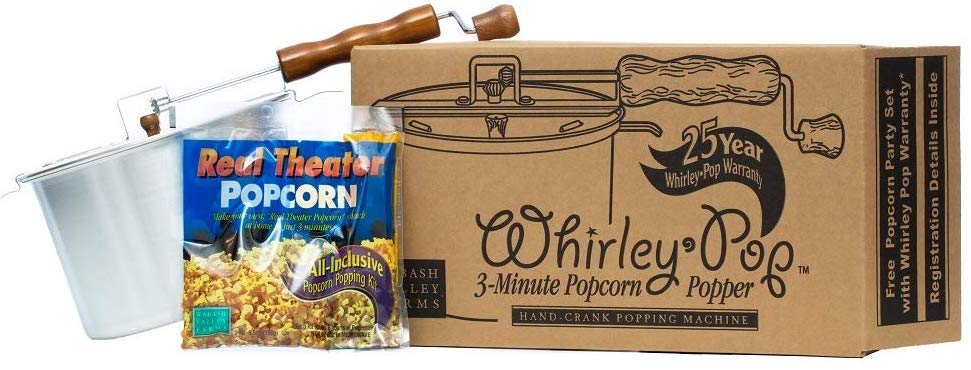
Corn popper or chestnut roaster – has a wire basket you use to hold what you’re cooking over the coals
• Pie irons for grilling sandwiches
Dutch oven – go for a cast-iron one as it distributes the heat better. This pot will hang over the fire and cook
Cast iron trivet – to help regulate the amount of heat your Dutch oven gets
• Aluminum foil
• Tongs
• A fireplace shovel
• Potholders

CORN POPPER FOR A WOOD STOVE

These are all beneficial tools when you want to cook on your wood-burning stove or fireplace this winter.

Judging the Fire for Cooking

Knowing when the fire is ready might seem quite simple, but it’s not really like cooking on your charcoal grill outside. You will need a fire that has been burning for about 30–45 minutes.

A fire in its first stages is very unpredictable in temperature. With all the leaping flames and embers burning, it is not the best fire for cooking by. It will either burn your food or leave parts uncooked.

Once those flames die down, and you have a beautiful bed of coals, you have the perfect temperature for cooking with on your wood-burning stove or fireplace.

Now you can rake and distribute the coals to make for an excellent cooking surface. Placing a few coals on the lid of your Dutch oven will make things cook faster. Get at it from all directions. Remember, you must keep adding fuel to the fire to keep it burning hot.

Cooking Inside the Box of the Wood Burning Stove

You can bake white potatoes, sweet potatoes, onions, and apples inside your wood-burning stove. Just double wrap them in aluminum foil and lay the box right on the coals. Pile some coals on top and close the box. Allow to cook for half an hour and then turn over. If one area of your box is hotter than another, then move things around to give them a chance to use all of that heat.

Josh demonstrates how to fire up a wood cookstove for cooking throughout the day.

Cooking on the Stove of a Wood Burning Stove

This is where the Dutch oven comes into use. You can use the stove of your wood-burning stove as a slow cooker! It’s great for making stews, soups, casseroles, and roasts. Place all of your ingredients in the Dutch oven and place it on the stove uncovered. Allow it to come to a boil, and then place the trivet on the stove, and then move the Dutch oven on top of the trivet. Put the lid on top and cook soups and stews all day.

dutch oven for a wood stove

A roast will thoroughly cook in about 3-4 hours. Just check every hour or so that nothing is sticking, and the fire is hot. Should the fire die down, just build it back up again? If the food cools, then take it off the trivet and allow it to heat up directly on the stove (uncovered) as you did initially. Once heated, put it back on the trivet.

These tips are how you can use your wood-burning stove and fireplace for cooking – killing two birds with one stone by heating your home and cooking a meal at the same time. What’s your favorite meal cooked on a wood-burning stove or fireplace?

Other posts you may find useful:

14 Names of Edible Flowers And How To Eat Them

Names of Edible Flowers? Flowers are a part of our everyday lives, and countless times we have them hanging around our homes for different reasons like their smell or their beauty.

14 Names of Edible Flowers And How To Eat Them Article cover image

Flowers do make great centerpieces for one’s home, especially their dining table, but aside from the fact they complement your space well, do you know there are health benefits in a lot of them when consumed? It might sound strange, but there are medical pieces of evidence to prove that eating edible flowers can contribute to improving your health.

14 Names of Edible Flowers And How To Eat Them

We have done our fair share of research and have identified a few of the most interesting flowers you can transfer from your living room table to your plate. Let’s take a trip down this flowery lane…

Names of Edible Flowers: Citrus Blossom

Citrus blossom is a beautiful flower that can serve a lot of purposes other than decorating your garden or hanging from your ceiling. Transferring Citrus Blossom to your plate can help you a lot in terms of improving your inner health as well as your skin.

Interestingly, the plant can be used to make various oils that you can apply to your skin for smoothness as well as to heal sunburns and other skin issues like irritation and redness. You can also grind the plant to make tasty water, which you can consume to help you relax and calm your nerves. You can even eat the plant as part of your salads as it helps to ease tummy aches and cramps.

Daisies

Daisies are grown all over the world, and it is a flower many people consider to be wildly grown. However, have you ever stopped to think whether these plants can be eaten or not? Children are known to use them for designer chains and necklaces, while others weed them out of their gardens.

However, they are more than just physical beauty, but they can be added to your salads and sandwiches for taste and other health benefits. Consuming daisies have its benefits to include preventing or treating coughs, liver and kidney disorders, and inflammation. A lot of people also use this plant as a “blood purifier” or a source to ease the pressures caused by soreness, pain, and childbirth.

Dandelions

Different cultures have different names for Dandelions but generally known as stubborn garden weeds. They do compliment your garden well, but have you ever stopped to think about adding it to your diet? Well, interestingly, Not only do they have an attractive feature, but they are also great for your tastebuds.

They are nutritious and provide a lot of health benefits when consumed. Different parts of the plant are said to have antioxidant properties that help the body fight against many aches, pains, and other problems. The components of the plant that can be consumed are the flower, stems, leaves, and roots. When adding to your plates, they can be eaten raw, fried, made into jelly or wine, or added to your salads.

The roots can also be used to make tea (steeped). Are you making stews or casseroles? No problem, they are great for flavoring those dishes.

Names of Edible Flowers: Hibiscus

The Hibiscus plant is known to produce gorgeous blossoms that are most popular in the tropical and subtropical regions. There are over one hundred different species of the hibiscus plant that are available around the world.

Though a lot of these are edible, the most commonly consumed is the Hibiscus Sabdariffa or better known as Roselle. The flowers have the potential to grow up to six inches and come in different colors to include white, red, pink, and yellow. Hibiscus is highly known for its ornamental uses, but a lot of people will be shocked to know it can be eaten as well.

It can be added to complement your salads, relishes, tea, and jam. If you are troubled with high blood pressure or cholesterol, drinking Hibiscus tea will help you lower these and relax your nerves.

Honeysuckle

There are over 200 different species of the Honeysuckle plant, but the most commonly known or used are the Japanese and Woodbine varieties. The Honeysuckle has a strong aroma and generally blossoms in white or yellow.

These blossoms have nectars that you can eat directly from the flower. For years, Honeysuckle has been used as a Chinese medicinal product for many different health conditions. It is also proven to work great with inflammation as you apply it to the skin for soothing. You can eat the plant or nectar formed in the plant, or you can process the plant to extract oils and juice which you can ingest or apply to the skin.

Honeysuckle is perfect for making flavorful syrup, which you can use to sweeten your tea, yogurt, or sorbet, and is an excellent alternative to sugar.

Lavender

Lavender is mostly grown around northern Africa and the Mediterranean and is a dense floral herb with violet flowers. Inhaling Lavender will leave you feeling relaxed as it has a great aroma and distinctive fragrance like no other. The calming effects of this exotic plant will leave you tempted in wanting to get a taste.

And? It’s safe to give it a shot because you can indeed indulge as it provides multiple health benefits for you. You can easily add Lavender to complement your dishes like salads, pastries, syrups, teas, rubs, and spices.

It works well with all types of ingredients, whether sweet, sour, or savory. Lavender has a powerful touch, however, so when cooking with it, it’s best to add little bits until you achieve the flavor you need.

Names of Edible Flowers: Lilac

Lilac is more than just a flower with a great fragrance but one that you will enjoy delving in as it complements your dish. This amazing flower has medicinal benefits to include treating and eliminating intestinal worms.

In ancient times, it was also used as an anti-periodic tonic – that has the potential of ridding your body from re-developing certain diseases. Interestingly, herbalists of today’s age still use the plant for medicinal purposes.

How to Make Lilac Jelly is a fun recipe for a great treat.

Also, you can add the plant to your various dishes like stew or salads. The extract from the flower can also be used to create well-toned skin.

Mums

We all love a dazzling array of flowers hanging from our ceiling or positioned in the center of our dining table – to include Chrysanthemums, of course. They complement our space so well with beauty and fragrance.

But, do you ever feel like nibbling on a piece of that sweet-smelling beauty sometimes? Well, we are allowing you to do that as we are here to confirm that it is one of the edible plants you can add to your kitchen. Mums are amazing when it comes to providing your body with health benefits like providing ease and treatment for chest pains, dizziness, and headaches.

It is also great to take for chronic illnesses such as diabetes and high blood pressure. You can add it raw to your salads, heat it or grind and extract its oils for your skin.

Nasturtium

When you say tasty, beautiful, and possessing a savory taste, then Nasturtium should be floating around in your mind. The brightly-colored flower is a delicacy when it comes to the kitchen and fits perfectly in any dish you are preparing. Interestingly, all parts of the plant include its leaves, and flowers can be eaten, whether it be raw or cooked.

Are you looking for a spicy touch to your dish? Then Nasturtium should be your best bet. It features a spicy flavor, which helps to bring a difference to your meal and, of course, satisfy your eager taste buds.

Pansies

Pansies are beautiful flowers with a great aroma and interestingly not only great for your floral decoration but also as a delicious meal. The flower, which many people call “Heartsease,” has many health benefits when consumed in the various ways it can. It has been said to help persons who have asthma, whooping cough, bronchitis, fever, colds, and flu.

Besides, it helps lower the chances of heart failure and blood pressure. You can eat the flower raw, heated, extract juice, or oils for various reasons, or you can add it to your water for drinking (infusing.)

Names of Edible Flowers: Roses

The rose species is pretty large, with over 150 varieties available, and comes in different types, shapes, and colors. The best part is that they can all be eaten even though not all have the same taste and flavor.

The stronger the aroma of the rose, the higher the chances of it tasting great, but the stem and leaves are not the easiest to eat, so it is best to stick with the petals.

They have a sweet taste when consumed, so it would be great to complement multiple dishes. Aside from tasting as great as it does, eating the petals is said to help you relax and reduce anxiety levels.

Sunflowers

We are sure you see Sunflower seeds when you go to the supermarket or even the pharmacy, which is a clear indication the flower is safe for consumption.

The seeds have a high level of vitamin E and selenium, which is great for the body in fighting off numerous chronic diseases. There are a lot of antioxidants in the Sunflower plant, and aside from the seeds, you can also enjoy munching on the petals.

Violets

Violets have a lot of health benefits, making them a great choice to add as a snack or as part of your salads. It works well with improving your health should you suffer from bronchitis, headache, mumps, scurvy, colds, asthma, fever, sore throat, urinary tract infection, and many more. So, the next time you pass by that floral centerpiece in your living room, pick a few petals, wash, and enjoy.

Names of Edible Flowers: Clover

Eating Clover flowers, especially the white clover, has a lot of benefits, and not only do they taste great, but they have an amazing aroma as well. Clover is great to be eaten by people who have issues with diarrhea, rheumatism, and arthritis. You can eat the petals raw, heated, or you can dry the flowers along with the seed pods and ground them to make flour. Interestingly, this flour will be gluten-free.

Important Note:

Before consuming any of these flowers, ensure you speak with your doctor as some may contain properties that are in contradiction to other prescribed medication. 

Other posts you may find helpful if you liked Names of Edible Flowers:

Disaster Survival Preparedness Tips

Disaster Survival Preparedness Tips? Being prepared for a disaster can not only give you peace of mind but help you and your family survive during a time of emergency.

Disaster Survival Preparedness Tips article cover image

Let’s face it; we live in a world where being prepared for a disaster is essential. In America, you have the potential for earthquakes, floods, hurricanes, tornadoes, eruptions, flooding, fires, and more.

Disaster Survival Preparedness Tips

As we all saw during previous disasters, it takes time for rescue workers to reach you during these events. It’s up to us as individuals to be prepared to survive long enough for help to arrive, or to have enough supplies on hand until we can make our escape.

Water is Essential for Disaster Survival Preparedness

When preparing, you should consider the types of things you will not be able to live without and what necessary supplies you will not be able to get. We take for granted the water that comes out of our faucet, but if you have no power or the water lines are broken, the most necessary item to survival is gone.

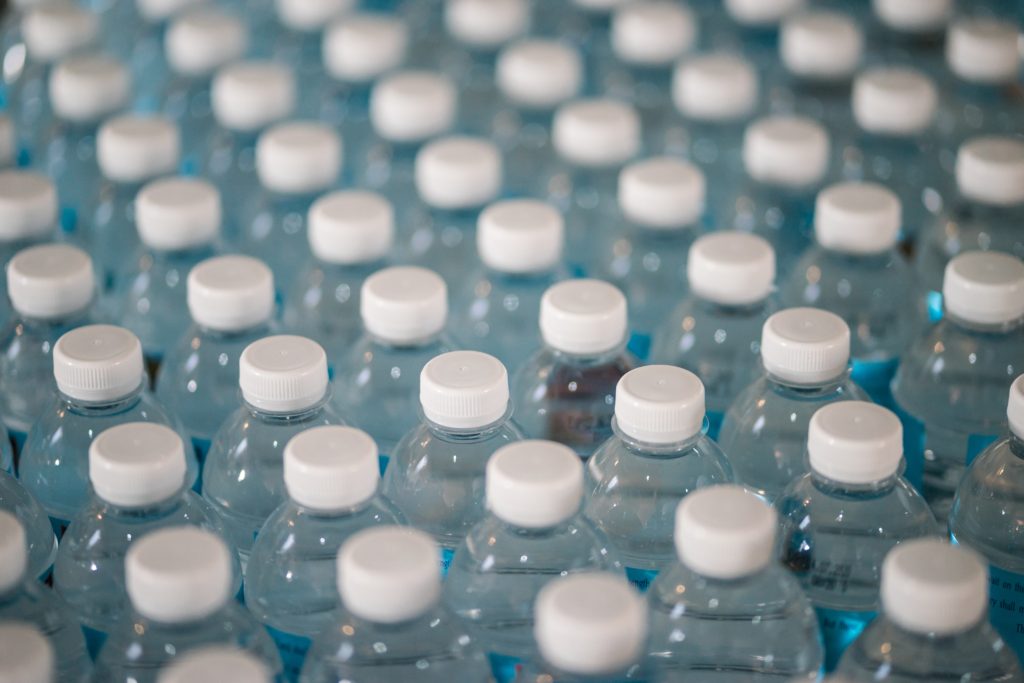
Disaster Survival Preparedness Tips water bottles

One person needs at least two quarts of water a day to survive long enough for help to arrive or to travel for help. Keep in mind, the higher the temperature, the more water you will need.

This means if you have four family members, you would need at least two gallons of water each day on hand. Since you would want to be prepared for at least three days, it’s crucial to have a minimum of six gallons of water set aside in an area that is easily accessible at all times.

If you’re concerned about needing to escape, such as in a fire situation, it’s not necessarily practical to lug around six gallons of water. You may want to consider having a water filter or purifier on hand so that as you travel, you can sanitize the water you find along the way.

At worst, be sure you have a pot and a lighter or matches so that you can boil any water you find for at least 10 minutes. You will also want to have a container so that you can store any water you have found.

For Disaster Survival Preparedness, I would recommend having a duffel bag or backpack fully loaded with your survival items. If you’re planning to simply wait it out until help arrives, in the panic, you don’t want to have to expend your energy searching your home for needed items. If you need to leave in a hurry, you can grab your bag(s) and go. We talk about Bug Out bags Here: Bug Out Bags and How to Make Them.

Now that you have the most critical item taken care of, water, other items can certainly make survival much easier.

Start a Survival Kit

I’m sure you’re next thought is food, we can survive longer than you might think without food if you’re growing weak due to lack of food, the chance of survival goes down dramatically. Needless to say, if you’re packing a survival kit, weight is going to be an issue.

Just like your water supply, you’ll want to have at least three days of food on hand for each person. You will want to store items that, of course, have a long shelf life, are low in salt, and give you maximum energy. If you have canned food on hand, be sure you have a manual can opener on hand as well!

Disaster Survival Preparedness Tips

Some food suggestions for Disaster Survival Preparedness would be unsalted trail mix, canned fruit, or other canned food with high liquid content, whole-grain cereal, ready-to-eat meals, dry mixes (though you’ll need extra water for these). Use common sense when choosing what to pack: consider the space required in your disaster kit, weight, nutritional value, shelf life, and ease of preparation.

Other items you may want on hand in the case of a disaster would be copies of all of your important documents such as drivers licenses, social security cards, birth certificates, bank/financial/credit card accounts, and medical cards.

Other Emergency Preparedness Items

Here is a list of additional items you may want to have in your ready-to-go emergency preparedness kit.

  • first aid kit and a first-aid how-to book (If you’re on life-saving prescription medications, be sure to have those stored in a ready-to-grab area as well.)
  • toothpaste, toothbrushes, soap, and/or resealable baby wipes
  • hand crank radio or radio that runs on batteries
  • LED flashlight and a LED headlamp
  • a cookstove or grate you can put over a fire for cooking
  • Sterno cans
  • matches in a waterproof container and lighters (in case matches get wet)
  • blankets and extra clothing
  • a small foldable shovel, knife, rope, and tarp (you can make a shelter if needed with these items)
  • have some cash on hand
  • cooking and eating items (manual can opener, pot, utensils, etc.) 5-gallon container
  • of gasoline and a piece of hose if you can escape in a vehicle (The hose is for siphoning gas along the way should it come to that.)

I would recommend looking for these items at a local store that sells camping items. This way, they will be made specifically to be durable and lightweight.

In addition, you may want to pack some items strictly for entertainment. It’s essential to keep everyone’s spirits high. A deck of cards is small and can be entertaining for family members of all ages. Likewise, have some hard candy on hand. It can boost your energy and lift the spirits at the same time.

Of course, if you have pets, you will want to prepare for them as well with dry food on hand and water. Animals need about 1oz of water per pound per day.

While this is certainly not an all-encompassing list or guide, it is a good place to start when preparing yourself and your family to survive when an unexpected disaster comes along.

Other posts you may find useful