United States Disaster Relief Organizations That Help

The United States is lauded by hundreds of countries globally for their continued assistance to under-developed and developing countries with enhancement resources. They are base for thousands of charitable and disaster-relief organizations that change the lives of people and communities around the world in a positive way.

Disaster Relief Organizations

These disaster relief organizations are based on the core belief that ” life changed can make society a better place.” For years, they have been working with national and international groups to assist in emergency-struck areas as well as people living in remote areas.

We have listed a few of these organizations that have helped and are still helping with the kind support they receive from donors across the world.

United States Disaster Relief Organizations That Help

FEMA

Guided under the management of the United States Department of Homeland Security, the Federal Emergency Management Agency has been working to impact the lives of locals who have been affected by one or more disasters. They are the coordinating body that oversees the assessment and provision of resources to affected areas in aiding in restoring the location.

They have also extended their hand to other countries in providing training, education conferences, and resources to effectively manage how teams operate during and after a disaster. Their international reach also provides survival resources for local people and communities.

Disaster Relief Organizations: SBP

The SBP is a disaster relief organization that was founded by Liz McCartney and Zack Rosenburg in March 2006. They started the group after they had successfully served in St. Bernard Parish, Louisiana, in the aftermath of Hurricane Katrina. The mission soon spread to other parts of the country.

In a report dated August 2017, the disaster relief organization has rebuilt over 1,200 homes and provided additional resources to needy persons. The team has been working endlessly to help shape lives a day at a time, and with partnerships from Toyota and Americorps (volunteer assistance), they have gone to multiple states and impacted the lives of thousands. CNN and former president, Barack Obama, lauded their charitable services.

The National Organization for Victim Assistance

The National Organization for Victim Abuse (NOVA) is on a mission to changing the lives of those surrounded by crime and abuse-related crises. Since their establishment, they have provided multiple resources and services to victims, including skill-based training, advocacy, and more.

NOVA has partnered with numerous agencies in offering counseling and re-intervention services for dispatched youths who have been a victim of circumstance and abuse. The team is bent on maintaining professionalism and trust among those they assist and also helps to break the barriers of vulnerable people in their reach.

AmeriCares

AmeriCares was founded in 1979 and is a non-profit organization that provides disaster-relief and health services to struggling and vulnerable people across the country. They have been providing emergency response to medical needs and providing efficient healthcare to persons not only in the US but also around the world.

Since its inception, it has helped millions with affordable health services (including free resources) in over 164 countries. Their mission is to provide the basic need for survival, especially to communities in impoverished countries. It has multiple organizational offices in countries such as Sri Lanka, Haiti, Japan, and India.

UNICEF

United Nations Children’s Fund (UNICEF) is an agency overseen by the United Nations. They have been providing humanitarian services to millions of children in developing and under-developed countries globally. Established in 1946, the organization has been working to tackle the hunger and health crises in children and parents around the world.

They are striving to impact lives positively, especially to children of circumstances. The organization runs on donations received from private donors and governments in different countries. As of 2018, the organization received over $5.2 billion in contributions to carry out its various projects.

Disaster Relief Organizations: Team Rubicon

U.S. Marines William McNulty and Jacob “Jake” Wood founded Team Rubicon, which is a non-government disaster relief organization. The group provides disaster relief services around the world through assistance from veterans. Team Rubicon is on a mission to re-integrate the quality services of veterans to help impact the lives of civilians positively.

It all started after the Haiti earthquake when Wood and McNulty gathered a medical team to provide health services to those who suffered injuries. Also, they brought resources and funds they raised through friends and family in helping to provide the necessary support. The team’s mission is to continue assisting the less fortunate and those neglected by others.

CDS

Children Disaster Services (CDS) has been in operation since 1980 and has been positively impacting the lives of children who are affected by emergencies and disasters. The Foundation has been serving through shelters they set up across the nation to respond to cases of trauma, dislocation, vulnerable, and more.

The volunteering teams aid in providing reassurance to the children in letting them know everything will be alright. To date, they have provided emotional, psychological, and physical assistance to thousands of children.

FDS

Not all disaster-relief services provide “before disaster prepping activities,” but some do provide aid in the aftermath of an emergency. The Friends Disaster Service (FDS) is an organization that includes clean-up and restoration services to local communities affected by a disaster.

Over the years, they have assisted in rebuilding homes for the elderly, disabled, low-income earners, and uninsured survivors with no focus on race, faith, or political association. The team of volunteers who work across the U.S. uses St. Matthew 25:40 as their mission statement: “Whatever you did for one of the least of these you did for Me”. They complete all their missions and tasks under the banner of love, compassion, help, and restoration.

Samaritan’s Purse

Samaritan’s Purse is a Christian-based humanitarian aid group that focuses on changing the lives of individuals around them. They cater to the needs of the vulnerable and base their passion for helping on the Biblical story of The Good Samaritan.

The organization uses love and compassion to show its real act of kindness by providing resources to people and communities globally. Samaritan’s Purse was established in 1970 to meet the need for emergency cases in crisis areas through evangelism and development.

Disaster Relief Organizations: NECHAMA

NECHAMA is a Jewish-based disaster relief organization and volunteering group that works to change the way the world recovers from a natural disaster or emergency. They have been providing relief services and have impacted the lives of thousands across the country.

The team bases its mission on seven core factors that include: “Building Relationships, Acts of Lovingkindness, Charity/Justice, Love The Stranger, Don’t Stand Idly By, Compassion and Repairing The World.

These Disaster Relief Organizations need your help, so whether you can donate in cash or kind or by volunteering, they would appreciate it, and the lives you change will be grateful. 

Other posts you may find useful:


What To Put On Your Disaster Prepper Check List

You can only predict some natural disasters like hurricanes and a possible volcanic eruption, but mother nature has her way even then. What we expect sometimes turns out to come in different forms and forces us to make other plans on the spot.

However, if we had plans in place, it wouldn’t have been so hard to adjust to any change in the conditions. For a fact, when a natural disaster strikes, you may have little or no time to get particular stuff done, which should have already been in place.

The best bet…prepare now and be on the safe side even if it doesn’t come! Planning is the best way to cope and protect yourself and your family in the case of an emergency. But what is the best way to know what you need to have and do? Create Disaster Prepper Check List.

Prepper Check List

What To Put On Your Disaster Prepper Check List

Why Have A Disaster Prepper Check List?

A disater preparedness checklist is the best way to be sure you have all the items you need and what you should do when an emergency arises. It provides a guide for the entire family and reduces the risk of potential panicking. When you create a checklist, discuss it with your family as well as put it up around the home where everyone can see it (refrigerator, notice board, or even in the kitchen).

To protect your community by extension, you can check with your local office or authorities about the disaster which may happen in the area. Checklists come in many different forms, and all are vitally important. When planning, you need to:  

Prepare a Disaster Supplies Kit

This task is, by far, one of the most important stages of preparing for an emergency. You can store the items in a backpack or travel bag (or whatever you deem fit) that is portable and can move with when rushing. This kit includes:

  • Water – Every member you are preparing for should have enough drinking and cooking water to serve for a few weeks or months (an estimated one gallon per person per day).
  • Non-perishable Foods – These include canned foods or those packaged foods (no refrigeration needed).
  • Clothing – Rain gear, sturdy boots, and warm clothes
  • Blankets, sleeping bags or sponges
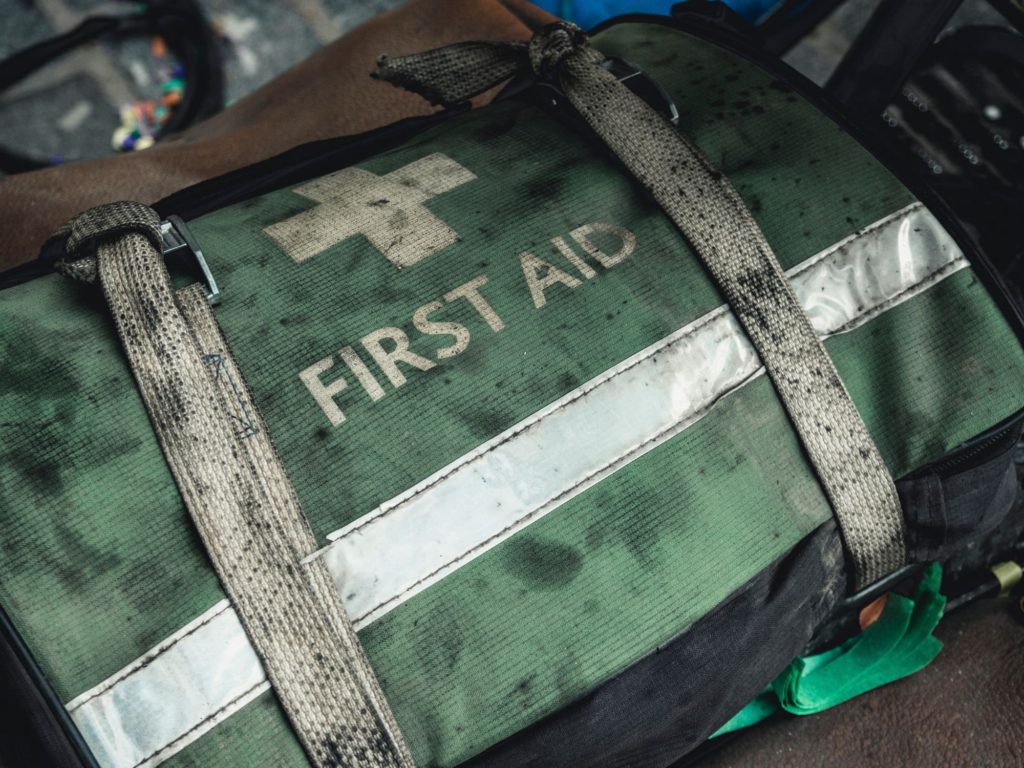
  • Medication (including prescription), and first aid kit (bandage tape, rubbing alcohol, pain killers, cotton, etc.)
  • Battery-powered flashlights, radios (and fans if needed), and a few packs of batteries
  • Cash and credit card (you never know if you may need to purchase something along the way!)
  • Extra set of car and house keys
  • Emergency contact numbers including contacts for the family doctor(s)
  • Personal and essential documents should be kept in a fire and water-proof holder (ID, Driver’s License, Passport, Birth Certificates, etc.)
  • Important items necessary for infants and the elderly (such as unique serial numbers for medical devices like glasses, wheelchairs, pacemakers, etc.)

There are other items you can add to the kit as you deem fit, which you may need if you have to move out.

Disaster Preparedness Checklist

Contact Your Local Emergency Management Office(s)

Are you aware of potential disasters or emergency activities prone to your area? If not, contacting your emergency management office is the best option. They will have all the information you need to help you to prepare adequately. You can find out details such as:

  • Disasters that happen most in the area
  • The best way to prepare for any potential disaster
  • How they issue warnings in an impending disaster (so you can keep your radio or television on)
  • The evacuation routes for the area
  • Possible assistance for infants, elderly and the disabled

It is also essential to check your workplace emergency plans, your school, and that of your children (including daycare).

Emergency Family Planning

Every family needs to have a time they set aside to discuss details should an emergency strike. Enlighten them about disasters such as fire, weather, earthquakes, and more are essential.

Also, the response action for each should be detailed. A safe spot in the home should a disaster strike is necessary and should have all the emergency items listed in the kit above. However, when choosing this location, ensure there is an alternative escape you other than the main entrance. But what should you discuss with your family? Here is a guide on what you may talk about:

  • Power outages and how to respond to them
  • What to do in case you get injured during the emergency
  • Design a floor plan and highlight two escape routes for each room
  • How to disable the power, water and gas switches should the need arise
  • Distribute a list of all emergency contacts as well as place them beside home phones. You should also discuss when it is necessary to call 911 or any other emergency contact. Also, give a local and out of state friend and family contact should there be separation during an emergency. (The central communication point will be able to provide location and whereabouts of each member).
  • Central assemble areas close to your home and out of the area in case you have to evacuate.
Prepper Check List

Discuss basic first aid and CPR practices (demonstrate if needed) Discuss essential details such as:

  • Before opening a door, check the bottom of the said door with the palm. If the door is hot, then it is safer to use another escape route (during a fire).
  • In case of a fire, it is safer to stay low on the ground and crawl to safety.

You should also consider having the following items when preparing for an emergency:

  • A collapsible ladder if one has to escape from a high-rise building
  • A fire extinguisher (one that all family members can operate)
  • A whistle to alert unsuspecting family members of an emergency
  • Smoke detectors
  • Water sprinklers

Be Flexible & Proactive With An Escape Plan

You need an escape plan for every type of emergency, as not all require the same. You should develop a plan for your home and discuss it with your family because emergency calls for flexibility and fast action. Detail every route and how to get there no matter what area of the house you are.

Also, a note to add, putting emergency kits close to evacuation routes, is ideal, and you can grab on the way out. This detailed plan should show everything that is required (highlight the gas, water and electrical switches in different colors, etc.) Once you highlight all escape routes, emergency kit location, switches, and other necessary ems, you need to point a safe area outside where all family members should meet (driveway, lawn, poolside, play area, etc.).

However, the best way to know if everyone understands it is to practice. At least twice per year, one should do a mock emergency evacuation drill.

Your Car

Your car could be a critical tool in case of an emergency, and you have to travel out of the area or even stay put for a while. As such, having a disaster preparedness checklist for this is important! Having a ready kit will go a far way. For this kit, you should have:

  • Battery-powered flashlight and radio (with extra batteries)
  • Blankets and other items of clothing for you and the family
  • Fire Extinguishers (you can research which is best to use)
  • Booster cables
  • First aid kit and medical kit
  • Water and non-perishable foods
  • Spare tire and kit (air pumps, etc.)
  • Charging cables for your phone

Additional Tips To Consider:

  • Prepare pet evacuation
  • Design home with an emergency in mind (strap large appliances to walls or ground, hang picture and glasses away from the bed, store hazardous chemicals in non-leak containers, fasten shelves to prevent falling, etc.)
  • Repair defective wiring and gas leaks
  • Other actions you feel are necessary.

Emergency happens when it sees fit, and though you may prepare, one still has to be on their guard. Last, but certainly not the least, if you have to evacuate, remember to lock your doors as not everyone is up to good while a disaster is on. Stay safe and alive!

Other posts you may enjoy once you have a disaster Prepper Check List:

How To Prepare A Winter Home Safety Kit

How To Prepare A Winter Home Safety Kit? Winter is a time that almost everyone fears because of what generally happens…everything freezes! It is often what you do and how you prepare for the weather that determines the outcome.

How To Prepare A Winter Home Safety Kit

The preparation process can be comfortable or cumbersome depending on where you live, the impending weather, or the size of your home. However, the items you use to prepare are most times lying around the house, and a little is all you need to get to work.

How To Prepare A Winter Home Safety Kit

During a winter storm, you have to “expect the unexpected” as there is no telling what can happen. But, your organization is essential to making the perfect emergency winter kit.

Many people are up for creating only the “stay warm and survive” kit while others prepare for “an apocalypse.”. Whichever way, it is safer to make than to be sorry. When you set out to make an emergency kit, you may consider putting it into a few categories. These include:

Emergency Items

These emergency items vary, and depending on your needs, the size of the kit may differ. Before the brunt of the winter weather hits, you should consider putting these items together:

* Plastic Bag or Water-proof bags/container

The winter season can get wet from all the snow and potential rain that may fall. As such, securing your relevant documents and valuables from the excess moist is necessary.

* Medication

This is one of the essential items to have in your kit. A lot of people tend to forget it, when the need arises, they are left confused and pondering what to do. Also, you should secure your prescription in this kit, as well.

* Medical Items

These items include alcohol, bandage tape, hydrogen peroxide, skin sprays (for insects, etc.), and other essential things you will need for emergency aid.

* Extra Set of Car & House Keys

When an emergency hits, you have no time to run around to get to necessary tools you need but to grab your emergency kit and head out. The extra pair of keys will help you become mobile quickly.

* Flashlight & Extra Batteries

Natural light might not be available, and you need to get around, so having a flashlight will help you. You will also need some extra batteries as the power outage may be lengthy.

* Battery-powered or Crank Radio

There will be no electricity, so you need to have a media source that will keep you informed. A good hand-crank weather radio is what you need. If it has a solar charging option? Even better.

* Hand Tools

Many people will wonder what these are doing in an emergency kit, but as the winter season comes on and the snow crawls in, you will need to get out. This list includes items like a small pocket knife, scissors, pliers, hammer, and screwdriver. You may also need to add a shovel as you never know what can happen with the extra snow.

* Toiletries

These items include paper towels, napkins, and pampers (both adult and children sizes). You also need to add sanitizers, soap, mouthwash, and other deodorizing essentials. If you have to leave and stay out for a while, you have to keep fresh.

* Petty Cash

A little cash on hand is helpful if you have to run out fast.

How To Prepare A Winter Home Safety Kit

Food

Food is essential and needs to be a part of your preparation kit for the winter holidays. You never know when the weather strikes, you cannot go, and you get pretty hungry. You have to stock up on non-perishable food items like tin food, biscuits, and more.

However, it is not safe to store foods that go in the refrigerator as you never know if the power will go out at any time. Bear in mind, the meal does not only include adults but also kids, so adding a few formulas is necessary.

Water

Have enough water to last for a few weeks if possible to clean, cook, and drink. If needed, you can also store water for showering as the pipelines can get bad in the intense weather.

How To Prepare A Winter Home Safety Kit

Clothing

The time is cold, and the only way to feel at ease is to warm your body the way you know how to. You have to equip yourself with ideal clothing (preferably wool), socks, gloves, and headgear.

Sleeping Gear

You need somewhere to sleep, and sleeping bags and sponges are essential to have in times of emergency. You may have to move out, and a portable bed is necessary if you have kids. You will also need to stock up on a few warm blankets to wrap.

Alternative Heating

One of the main things the winter season calls for is heat, and the more you have, the better. There is the possibility of the power going out, and you may have to find alternative sources for warming your body.

Believe it or not, heat sources are a part of the emergency kit because the cold can cause health problems like frostbite and other issues. Your heat sources may include candles, match, wood and coal stoves, your outdoor grill, or a portable fuel-run indoor generator.

Sources of Communication

You may need to contact your friends and family to check if they are okay. Fully charge your cellphone ahead of time in case the power goes out. Also, add a car charger just in case the battery runs out.

Your car is a means of communicating with those near and far as you can travel across town (if possible). Full your tanks a few days in advance of any potential winter storms.

Your life is worth protecting, and the little you do can help you go a far way. Many people do not see it fit to put away all these items but rather scamper around when it is too late. Of course, we don’t expect all these items to be in the same location, but briefing the entire family on the easiest way to access them is essential.

The weather is on to us, and we wish you a safe one and do stay warm. We hope that How To Prepare A Winter Home Safety Kit helps you do just that.

Other posts you may enjoy:

Alternative Heat Sources for Power Outages

Alternative Heat Sources for Power Outages? Winter is already here, and long before now, you made plans to get a heat-energy in case there was a power outage. However, you just realized the power is out, and you did not get an alternative to supplying your home with the much-needed heat for the winter storm?

What do you do? Not to worry, there are several emergency methods you can use to warm out without putting yourself at risk for frostbite or any other winter-related issues.

Emergency Heating Options For Winter Power Outages

We have compiled a few survival tips you can use to keep you and your family warm during this time.

Before The Power Goes Out

While you may still have power, here are a few ways to prepare yourself before the worst strikes:

Check on your generator

You may want to stock up on additional fuel for a few days to weeks as there is no sure way of telling how long your power may be out. You also need to check it is functioning effectively. However, if you do not have a generator, you may want to consider getting a dual-fuel generator (you can shop around for some affordable ones).

Invest in a propane heater

There is a wide variety of propane heaters you can choose from (such as propane-fueled buddy heaters), which are tested and proven safe for indoor use.

Alter your doors and windows

You want to prevent heat loss as well as preventing cold air from seeping in. You can purchase insulating shades or become creative with your heat sealers.

Stock Up on the basics

Ensure your family has enough warm blankets, comforters, and winter clothing to last for up to a few weeks.In addition to the noted tips above, you may also want to try a few of the following:

  • If the weather forecast notes an impending power outage, you may want to increase the temperature in your home so there will be enough heat to last. The warmer your home is at the beginning, the longer it will take to cool down. You can also add extra warmth to unused rooms in the house, so there will be a higher chance of thermal mass.
  • Fill your bathtub with hot water
  • Stock up on enough firewood and coal

During The Power Outage

You are indoors, and before long, you realize the power has been shut off. You need to move swiftly in doing the following:

Eliminate All Chances of Heat Loss

Now is not the time to be wasting much-needed heat as your body will need it. You can start by avoiding the opening and closing of exterior doors as cold air can allow the temperature to fall rapidly by up to 10 degrees. There is no way to get that wasted heat back!

If you need to go outside, try doing so through the garage, porch, or other areas where the cold air will not be able to enter the living space. Also, ensure you keep all interior doors closed.

Share Living Space

Have one separate room in the home where the family sleep. This room should be closed at all times and only opened when the family is entering. You can always use the living room as the central area where the family gathers for daily activities.

Seal Draft Areas

Your doors and windows may have draft areas above and below them, so sealing with a towel or draft blocker is necessary. This procedure will allow air from seeping in and clouding the trapped heat. You can either order custom-made or get creative. You can also close your blinds and curtains to help insulate your windows.

Move To The Basement

While the power is still on, you can consider putting extra heat in the basement and seal it. Once the heat inside is losing out, you can consider moving with the family to the basement.

There are alternative ways of getting heat in the home when there is a power outage. Aside from trapping heat that you saved, you can also create heat from:

Alternative Heat Sources for Power Outages

Wood or Coal Stoves

You can light your stove in a central area of the home and leave the internal doors open so the temperature can travel to other areas of the house. However, if you have limited wood, you can light the stove at specified intervals, then trap the heat. Don’t have a coal stove? No Worries, you can take your grills inside, and while adding some heat, you are making some sumptuous meals.

Alternative Heat Sources for Power Outages

Indoor Propane Heaters

Before purchasing these heaters, you need to research whether they are safe for indoor use as not all of them are. Once it is, you can power on once the stored heat is exhausted.

Open Flame

You need to use this option with caution and with a fire extinguisher in close range. You can use candles, lanterns, and other lamps but under strict supervision. Be careful of open flames like candles as they can eventually ignite other items close to them. Also, do not place it on a table (wood or plastic) but instead on a metal surface.

Thermos

Every home needs to have a thermos where they can store hot water for further use. You can use the water to make tea, porridge, or soup, which can serve as an excellent body-warming tactic.

Other Alternative Heat Sources for Power Outages

In addition to the previously highlighted forms of heat production, you can find different ways of staying warm. Ever heard of the “camping inside” trick? This method will see you setting up a tent in your home, and while it is creating a haven for warmth, it is a perfect distraction for the kids from the cold weather.

Also, it is best to have a set of winter clothing that will help to regulate the body’s temperature and keep you warm. These items of clothing include wool jackets, socks, gloves, and can be doubled if needs be.

Amidst the cold weather you might be experiencing, there is still some good to come out of it. You can use this time to keep your refrigerated foods fresh. Move the food items to an open area (porch or driveway) and let them build up some ice.

But in the end, there are so many ways to keep warm during a winter power outage, and how you deal with it depends on you. You can use these tips to help you go a far way. 

Other posts you may enjoy:

How to Grow Your Emergency Fund According to Dave Ramsey

It may seem like a daunting task, to grow your emergency fund but Dave Ramsey’s methods take the confusion out of it all. There are a few different ways to add money to your emergency fund without stressing and making sure all other bills are paid.

How to Grow Your Emergency Fund According to Dave Ramsey

Simple ways to grow your emergency fund according to Dave Ramsey:

If there is even the smallest spot in the budget you can slim down. Cut out the gym memberships you may not be using now that the weather has changed. This will help you add a little extra money to your growing emergency fund.

Make simple cuts in your budget

5 Painless Ways to Cut Household Expenses

When we talk about painless ways to cut household expenses, the first piece of advice that always gets thrown out is “stop drinking $5 coffees every day”. Well, if you’re anything like me, you were never drinking $5 coffees every day anyway! $5 is a lot of money and it adds up fast.

Cutting household expenses and adjusting to a new budget doesn’t have to be too uncomfortable. Let’s talk about easy ways to make some simple financial changes for long-term success.

Conduct an audit.

The first step in saving money is to figure out what’s coming in, what’s going out, and most importantly, where it’s all going. Print off your bank statements for the past 3 to 6 months. If you’ve already made some recent changes, 3 months of bank statements will do. If you really want to dig in and figure out where your money has been running off to, print the full 6 months.

Grab a few highlighters and go through your bank statements line by line. Set it up however you want, but for example, you can use pink for income, yellow for necessary expenses, and green for unnecessary expenses or items to cut out.

Next, go through all of the unnecessary expenses and figure out which ones will be the least painful to cut. Make a list of which expenses we will cut first, second, third, and so on.

You can do this in phases so it’s not a huge change all at once. If you have big leaks in your budget and are drowning in debt, you should take this process more seriously and cut expenses as much as possible right away.

e found a great book to help keep this all straight: Busy Family Bill Organizer.

Grow Your Emergency Fund: Patch the leaks.

Rather than quitting everything cold turkey and cutting out all of your expenses at once (which isn’t realistic in the long-term), make small changes to “patch the leaks”, so to speak. Any money that’s unaccounted for month to month is a leak. Any money that goes to fast food unnecessarily is a leak.

Some leaks you may not think about at first may include utilities, food, and entertainment expenses. This doesn’t mean you have to cut out entertainment completely, or that you have to switch to the off-brand for all of your food.

It just means you’re going to be aware of where every single penny of your income is going, so you can make sure it’s accounted for and being spent responsibly. Everyone should have an entertainment budget, and nobody should have to eat off-brand bread! 😉

Negotiate Utilities

Cable, internet, and cell phone bills can make up a large chunk of your monthly expenses if you’re not careful. If you use the internet for work, downgrading to a slower internet speed isn’t practical. However, you can easily cut the cable and get Netflix or Hulu if TV is a priority to you.

Call your cell phone company and negotiate a lower rate. Ask about military or veteran discounts, AARP discounts, etc. Any discount they may have, see if you can get it! Some companies even offer discounts for law enforcement, first responders, and teachers. If the discounts are there and you qualify, you might as well utilize them.

Grow Your Emergency Fund: Watch your food expenses.

Even if you aren’t eating fast food every day, grocery bills alone add up fast. Our grocery bill was drastically reduced once we started meal planning and using curbside pick-up services. Ordering your food online and picking it up outside the store may be one of the best money-saving inventions ever.

Using curbside pick-up means no more last-minute impulse purchases in the checkout line. It means no more Target runs that should have been $50 but were more like $200!

Reevaluate entertainment costs.

How much are you spending on entertainment each month? Whether it’s a Playstation subscription or video game or going to the movies or bowling, what’s your budget? If you don’t have one yet, now is the time to work on creating one.

Like I said earlier, entertainment is important. We don’t need to cut it off completely, but being aware of how much we are spending and making sure it relates to how much it enhances our life is a critical step to cutting household expenses.

One last thing to check, if you didn’t with your audit, is your recurring subscriptions via Paypal. Also check your Cash App, Zelle, or other payment methods you use. The idea is to track every single dollar that comes in and goes out. Once you start doing this one simple thing, the rest falls into place rather seamlessly!

Grow Your Emergency Fund: Sell something​

There can be a lot of stuff around your house that you no longer use. This is a great idea if you’re thinking of trying to downsize as well. Take an allotted amount of time to just check around your house, in the kids’ rooms, up in the attic; you’re sure to find something.

You can take some time to set up a few signs to do the marketing for you if you’re thinking of having a yard sale. Remember to make items your selling appealing to potential buyers; such as filling basketballs with air and simply cleaning the dust off any items.

This could be a great way to sell your things then you won’t have to list the items online to be sold. This would be the perfect time to sell things you no longer use or need to help pad your emergency fund.

Find additional income opportunities

Maybe you’re only working part-time or maybe you’re already working full-time. Getting another job will solely help your emergency fund if you choose to let it. It can be anywhere from a part-time job to only a few extra hours a week.

You can find a one-time additional income opportunity if you look. You can be a babysitter, dog walker or sitter if you love dogs, or a freelance writer, or maybe a graphic designer. Anything that draws your attention or something you’re already good at.

The beauty of all your hard work is that all the extra money you’re making is going towards your emergency fund. You can choose to become your own boss by joining a direct sell company you’re interested in.

If you choose to direct sell a lot of companies allow you to build a team, which could earn you even more money for your fund.

Grow Your Emergency Fund: Get another job

Getting another job is a great way to line the emergency fund as well as giving you something to do with your free time.

You can drive for companies like UberEats, or you can create your own streams of income online like hundreds of thousands of others do every day. No matter what your financial situation is, it can improve with planning and budgeting!

If you are wanting to grow your emergency fund then you’ll have to be willing to go the extra mile. Any of these ideas are a great way to get you where you’d like to be within your emergency fund.

Other articles you may find helpful:

How to Build a Bug Out Bag

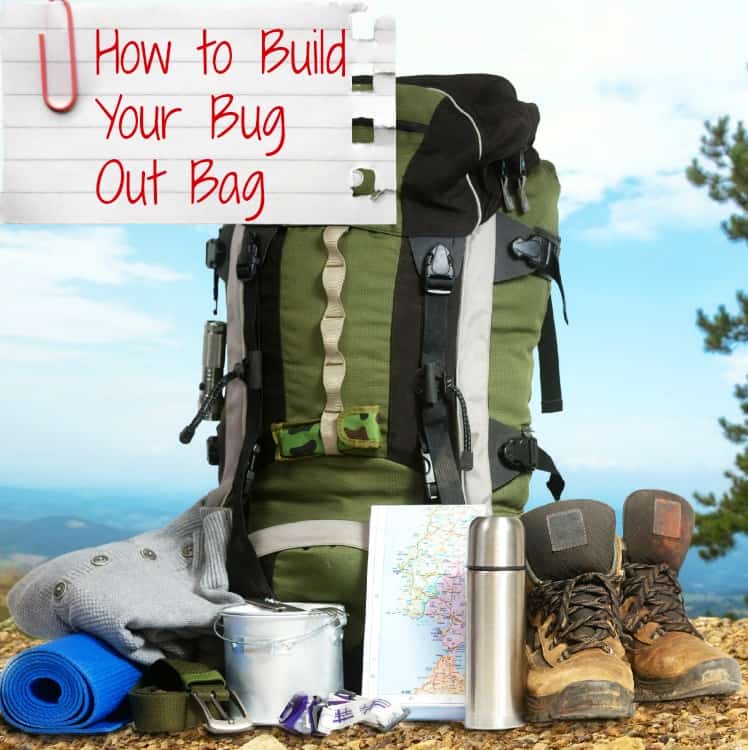
Building your bug out bag, or 72 hour bag can seem really overwhelming if you’re new to preparing for an emergency. Don’t get caught up in the thought that you need to have some tricked out, blingy bag. In reality, all you really need is a sturdy bag and a few supplies.

How to Build a Bug out Bag

To start, you obviously need a bag. Choose a canvas bag over a plastic or vinyl one so that it will last longer. For size, go with a bag that you can comfortably carry on your back when it’s full. For kids, a regular backpack in a character that they like is best. In an emergency, kids need normalcy and a character they like is normal for them.

Build a Bug Out Bag

To start building your bug out bag, you’ll need to gather your supplies. Be sure that you have:

  • 3 days clothing including socks
  • Water bottles for 3 days
  • Food for 3 days
  • Cash
  • Copies of your identification (both parents should also carry kids identification too)
  • Spare keys to your home and car
  • Medications if you take them
  • Lighter and stormproof matches
  • Sunblock and a hat
  • Sunglasses
  • Pocket knife
  • Prepaid Cell phone
  • Solar Phone Charger
  • Chapstick
  • Any other items you might need on a daily basis

Once you’ve got your items gathered, pack your bag. Try to keep the clothing that you include rolled up since it takes up less space in your bag that way. Pack everything so that it is secure and not going to roll around in your bag if you have to grab it quickly to get out of dodge.

Kid’s Bug Out Bags

For your kids, you’ll want to create a scaled-down version of your own bag. A child’s bag doesn’t need to be fully packed as yours does. Instead, you’ll want to give them only the basics they will need such as:

  • 3 days clothing including socks
  • Snacks
  • Water (or juice – make sure if you do juice to include water as well and only pack 100% juice for less sugar content)
  • Sunscreen and Hat
  • Chapstick
  • Boredom Busters (crayons & coloring books, books to read, etc)
  • Copies of their birth certificate and social security card
  • Copies of important phone numbers

If you have an infant or toddler, be sure to add things like diapers, wipes, and creams to the bags you pack for them. Keep it light though since with a child that small, you would likely be grabbing it as well.

Building your bag out bags should only take you a few minutes. As you start to pack it, you’ll think of any other items that you might have missed that are not on this list.

Be sure to rotate the food and any medications that are in the bag so that they don’t get expired. This all might seem a bit much for some, but during a fire, flood, or other situation where you have to run, it could save your life.