Best Generator? It depends on your actual needs. You’re going to need a way to have some electricity when there’s no way for you to get any. Besides having solar panels in place, you should also have a generator. Not only are these good to have for when a pandemic hits, but they also come in handy during any time the power goes out.
The size of the generator you purchase is going to depend on a few different factors. When you need power, you have to figure out what you need the energy for – because various appliances use different amounts of wattage.
Best Generator to Keep Your Family Functioning
You can find these listed in the appliance owner’s manual or through an online search, but you need to know because it determines the type of generator that you need.
You don’t want to figure in useless appliances that will waste your fuel. It’s better to hand wash the dishes than to burn up fuel by using the dishwasher. You figure out the size that you need by listing the items that you’re going to have to use electricity for.
For example, most people want a generator that can power a refrigerator and a freezer that is stocked full of food for the months ahead so that they don’t lose that storage.
You figure out what you need by looking up how much wattage it takes to run each of the items you want to run. You add those to give you the total wattage amount. You want to buy a generator with the wattage power that can handle all of this.
So you would look for one with the wattage capacity that was more than you need to run your most significant wattage appliance. It takes about 700 watts to run a refrigerator.
That doesn’t seem like a lot, but when you add a furnace and electronics, the wattage use creeps up. These items also draw wattage upon starting, so you have to figure that in, too. It takes more wattage to start most things than to keep them running.
You want to choose a generator that’s carefully matched to the wattage use that you need. If you only need 3,000 watts, don’t select a generator that can power more than twice that because you’re just burning up the gas that it takes to run the generator.
Most homes can be run on 5,000 watts. But those are running watts, so you have to take into consideration what it takes to start up. A generator of about 7,500 watts could efficiently run a home.
Because the generator will need gas, you’ll need to store that safely to prevent any problems with it. Keep your supply locked away and hidden. Store gasoline in gas-approved containers – but since you want to have this in bulk, you can find the larger containers that will hold more.
Some people suggest using steel drums, and you can buy these online. Whatever amount of gas you store, it will only keep for about a year before it starts to break down. However, there are additives like PRI that you can buy that can restore the gas.
Building a Separate Attachment for Quarantine Purposes? Let’s be frank here: if someone in your family becomes ill, it may be necessary to put them into quarantine. Of course, you want to take care of your loved ones, but you also want to minimize infecting people who are not ill.
If you have a recreational vehicle, a pool house, garage apartment, detached garage, or guest cottage, you’ll have an easy time converting it into a quarantine area. You’ll start by cleaning out the area to make room for people who are ill and sealing off any exits and windows with plastic sheeting and duct tape.
Building a Separate Attachment for Quarantine Purposes
You’ll also want to create a sign for the outside of the door that lets everyone know this area is for quarantine. This will keep unsuspecting people from becoming accidentally exposed to the illness you’re trying to contain.
Make a sanitation station
Next, you need to create a sanitation station just outside the quarantine room so that you can put on protective supplies, dispose of used supplies, and wash your hands. This sanitation station will help minimize exposure for people who are coming in and out to help those who are ill.
If you don’t have a shelter already in place, you do have other options. One thing you can do is set up a tent outside of your home. This tent should be near enough that you can get to it with ease, but not directly attached to the house. For example, ten feet away in the backyard is a perfect spot.
Seal it off
For a tent, you’ll need to do your best to seal off areas, but know that you won’t be able to seal them effectively. The idea, though, is that you have created a separate area. In the case of most illnesses, very close contact is needed to transmit disease.
Regardless of the structure that you use, you need to make sure that you have equipment available for communication. The most straightforward system is a set of walkie-talkies that allow you to communicate without being in the same room.
How to get them supplies
If those in quarantine are well enough to take care of their needs for food and sanitation, you’ll want to provide plenty of supplies in the quarantine area for them. If not, you’ll need to create a system to deliver what’s required while wearing protective clothing and avoiding exposure.
Once you know that a pandemic is possible, begin to prepare these areas. Once someone is already sick, it might be too late to get everything set up. If you’re already prepared, you can take care of anyone who is infected immediately and minimize exposure to others.
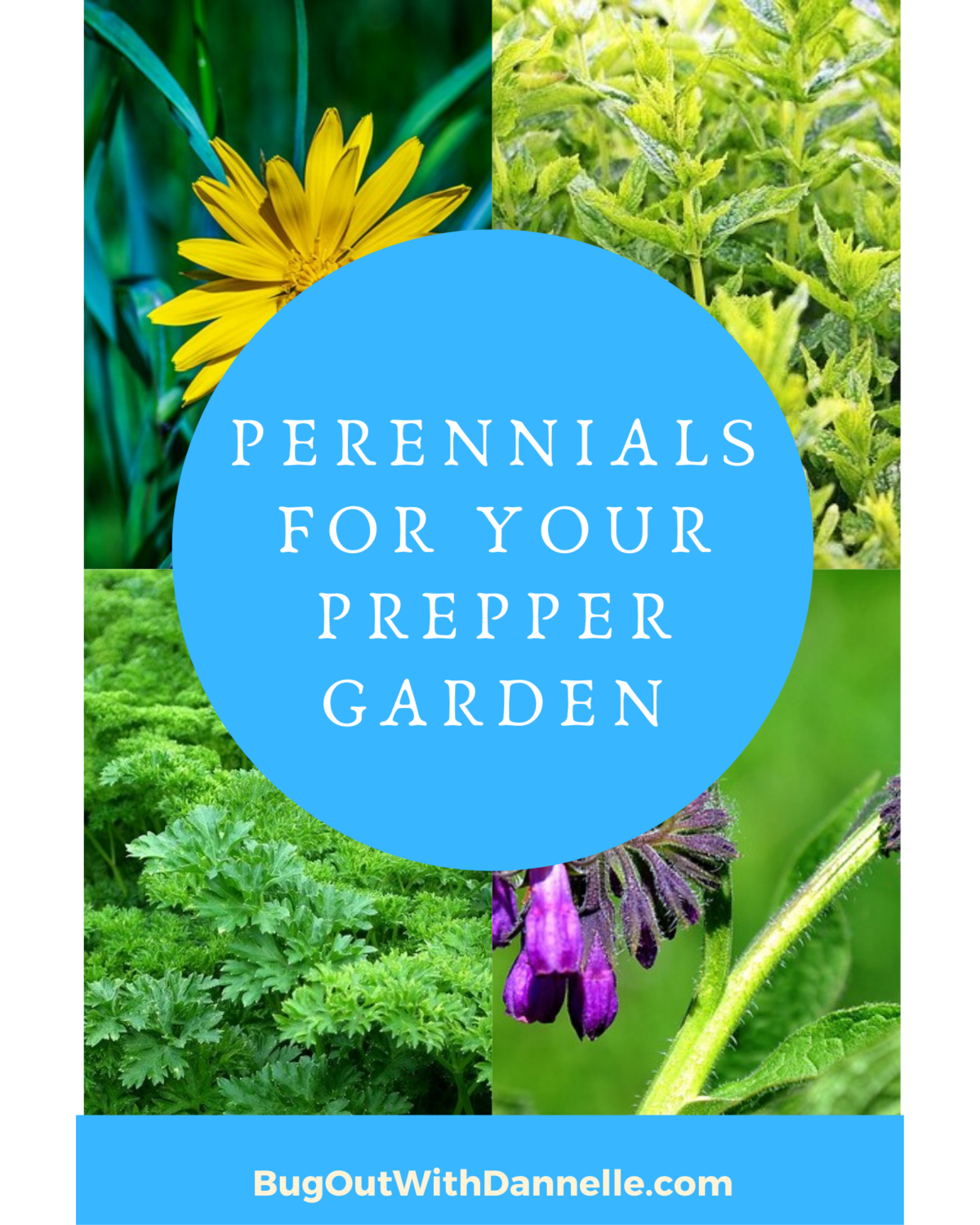
There is a large problem for city preppers; they can’t plant gardens because their home owner’s association prohibits it. We found a way around it that lets you have your Prepper Garden, and eat it too!
Creating a mini forest in your garden or at the back of your home is not a bad idea, and it allows you to plant everything you need. Interestingly, you don’t need a lot of land space to plant most of these perennials as all you need is a little creativity, and you are good to go.
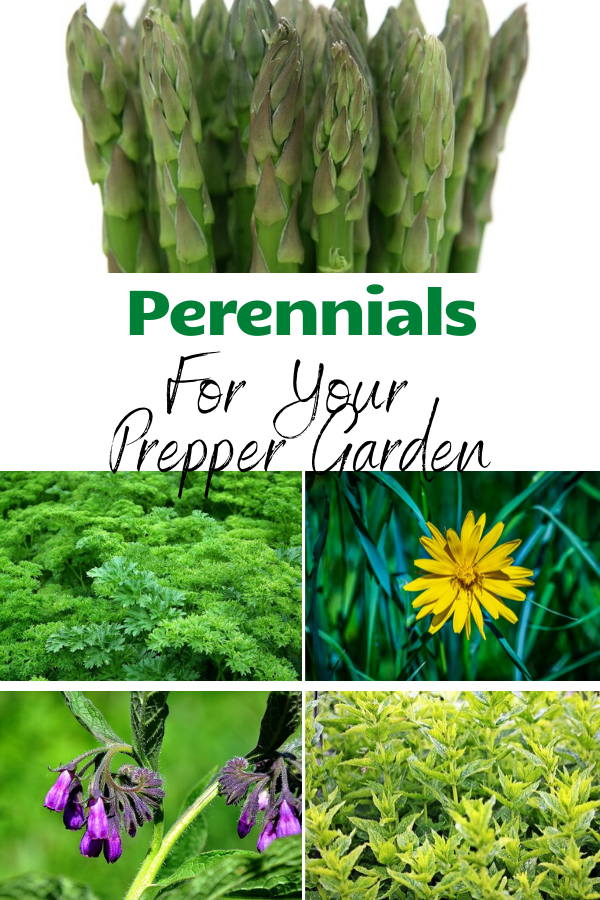
Perennials For Prepper Gardens
However, you may want to check some of the seeds you throw out as it is best to sprinkle edible weeds and trees so you can enjoy them when the time is right. A lot of them do not only taste great, but they do have health benefits when consumed or used otherwise. So, not sure which plants to add to your garden? Here are a few ideas you can consider…
Great For Consumption
These plants are great for adding to your favorite dishes, or you can use them to create some delicious servings for yourself and your family. A lot of these also have health benefits:
Artichokes – When steamed, Artichoke petals, as well as the hearts, can be used to create a delicious dip or sauce for your salads and other meals.
Asparagus – There are so many ways to eat Asparagus, thus, planting them is a great choice as they can even serve you for a long time. Doesn’t it sound like it can eat as is? Well, yes, it can. Eating the plant raw is one of the best ways of getting the most of the nutrients compared to when heated. You can even add to your salads.
Dandelions – Dandelions serve a lot of purposes to include complementing your dishes and granting amazing health benefits. The leaves can be used to make a sumptuous salad, while the blossoms can be used for making wines or jelly. I know it seems like a strange item for a prepper garden, but the French brought them over to us for a reason – they are almost a superfood!
Hosta – All varieties of Hostas are edible, but the most common is the Montanas. After harvesting, cooking over low flames in a little honey and soy sauce, or virgin oil will leave your tastebuds desiring more. You can also cut and add it to your salads.
Rosemary – Rosemary has a satisfying flavor and is great to add to any meal you are preparing. Whether you want to let the leaves remain whole or you want to grind, you can use them to marinate your meats or add to your pot while cooking. It helps to lift the flavor of your dish.
Scallions – Scallions can be eaten raw or slightly cooked and help to bring out a great aroma in your meals. When cooking, add Scallions whole or chopped as a last-minute ingredient for your sauce. You can also add it to your salads fresh after harvesting.
Parsley – Parsley is great for cooking or even to use as a garnish. You can add it to your eggs, soups, frittatas, pizza, or bread. Interestingly, you can also add Parsley to your smoothies for flavor in addition to the nutrients it provides (rich in vitamins A & C).
Thyme – Thyme is great for cooking, especially when freshly harvested. It helps to bring a great taste and aroma to your dish, whether meat, soup, or sauce (both leaves and stem can be used). Also, you can use dried thyme to make tea or infused water.
Lavender – This flower not only has a great aroma and beautifies your space, but it tastes great and is a great choice to add to your salad. You can eat it raw or have it slightly heated. The plant also has a lot of health benefits and should be a staple in your prepper garden.
Chives – Chives are a great vegetable to add to your dish, also, to be used as a decorative or garnish element. It helps to provide a fresh taste to your meal, whether soups, sauces, salads, stir-fries, or mashed potatoes. If you are looking to add a taste of onion to your dish, Chives are a great substitute.
Great For Medicinal Benefits
These backyard garden plants are all edible, but not only do they taste great, but they are also rich in medicinal benefits. When considering a plant-rich background, here are a few plants you can add…
Comfrey – If you have sore muscles, especially after working out, you can apply a comfrey-infused salve to the area. It has also been given the nickname “knit bone” as it is great in providing fast healing benefits to wounds.
Raspberry – Raspberries are rich in multi-functional antioxidants and are known as antioxidant powerhouses. They have been proven to provide anti-aging elements as well as reduce the chances of developing cancer, inflammation, heart disease, and diabetes. It is also great with weight loss and reducing the risks of obesity.
Blueberry – Not all fruits are low in calories, but Blueberries are an exception and, besides, are high in nutrients. It also possesses lots of antioxidants that help to reduce DNA damage, prevent aging and cancer, lowers blood pressure, and cholesterol levels in your blood.
Strawberry – Strawberries have a lot of antioxidant benefits that help to reduce stress, inflammation, and harmful cholesterol levels (LDL – bad). Eating Strawberries will help to improve vascular function and blood lipid profile. You can also consume this plant in a variety of ways.
Horehound – Horehounds are edible plants that are great for improving digestion and appetite. It also helps with bloating, diarrhea, gas, constipation, indigestion, liver, and gall bladder complaints. Horehound is also beneficial and helpful in treating asthma, bronchitis, whooping cough, tuberculosis, and other breathing problems.
Mint – Mint is rich in nutrients, and aside from tasting great, it helps to improve brain function, Irritable Bowel Syndrome (IBS), and your immune system against colds and touches of flu. Adding Mint to your diet will also help to relieve indigestion, breastfeeding pains, and is a great substitute to lower the chances of bad breath.
Oregano – Oregano is a known natural antibiotic that may help in reducing cholesterol levels, treating yeast infections, inflammation, and pain. It also possesses properties that may help with preventing cancer and is said to have high antioxidant levels.
Mullein – Do you have a terrible cough or whooping cough? Consuming some Mullein will help a lot. It is also great for treating bronchitis, hoarseness, colds, allergies, tuberculosis, and sore throat. Mullein can also help with migraines, colic, joint pains, diarrhea, and gastrointestinal bleeding.
Bee Balm – Sipping on Bee Balm will help to treat colds and flu, improve your digestive tract as well as treat indigestion. The plant possesses soothing properties that may help with eliminating nausea, bloating, anxiety, and help to relax you.
Chinese Chives – This plant has a lot of health benefits and is said to possess anticancer effects to help prevent and treat various types of cancer. It also has beneficial elements to help against heart defects, depression, preterm birth, dementia, Alzheimer’s disease, and other congenital heart defects. Chinese Chives are also great for improving cognitive function.
Yarrow – Yarrow is great for reducing bleeding caused by wounds as well as help to reduce heavy menstrual bleeding. Consuming this plant will also help to lower high blood pressure, tone varicose veins, and relieve GI ailments for cerebral and coronary thrombosis. You can also use Yarrow to help induce sweating.
Sage – Sage has a lot of antioxidants, which is great for lowering “bad” LDL cholesterol levels, high blood pressure, improving oral health, brain, and memory function. The plant is also great for easing menopause symptoms.
Echinacea – When steeped, Echinacea is great for fighting flu and colds, improving blood sugar and blood pressure levels, managing anxiety, reducing inflammation, and improving healthy cell growth. This is important for your prepper garden as we saw with the coronavirus and how these kinds of meds were wiped off the shelves!
Lemon Balm – If you are looking for an effective way to relieve stress, anxiety, indigestion, and nausea, then consuming some Lemon Balm is a great choice. The plant has properties to help you boost cognitive function, improve sleep apnea, and treat common health issues like colds and flu.
Motherwort – Motherwort could be considered the healing element of the heart as it is great for most heart conditions to include irregular heartbeat, heart failure, and other conditions affecting the heart. It is also great for relieving menstrual cramps, treating intestinal gas, and hyperthyroidism.
Arnica – For those who work out a lot, you may want to have this plant at your disposal. It is great for treating sprains, wounds, joint pain, bruises, and muscle aches. The plant can also be used to treat inflammation caused by swelling (from broken bones) and insect bites.
Skullcap – Take a few sips of Skullcap tea, and your insomnia will be gone. That is what makes it perfect for a prepper garden. Aside from helping with sleeping problems, it is also great for reducing and treating anxiety, risk of strokes, and paralysis caused by stroke. It is great for treating colds and flu, reducing high cholesterol, reducing artery-hardening, and much more. Other known benefits include helping with skin infection, allergies, rabies, and nervous tension.
Hyssop – Hyssop is great for reducing or treating digestive and intestinal problems like gallbladder and liver conditions, intestinal pain, and gas, as well as colic and loss of appetite. You can also consume Hyssop to treat respiratory problems like colds, infections, sore throat, and asthma.
If this list seems overwhelming, think about this; plant a few each year. I use my dehydrator to help me preserve my herbs for future use and you can too! Blend the edible with the flowering herbs and you will build your prepper garden in no time! If you need to know more about gardening, check out our sister site: Try To Garden.
Excited for your prepper garden? Check out these other posts:
Things happen, and the least you want to happen is not having the requisite tools to take care of the new reality. Daily, we are faced with a lot of tasks that require us to utilize some tools our handyman would use. However, there is a major problem – we don’t always have the tools needed, and we have to end up calling someone, But have you ever stopped to look at how you could benefit yourself if you have the things you need?
Not only will you learn how to do things yourself but you will save a lot of money too because we will all admit a lot of these contractors can be really expensive. So, there are certain tools you need on hand to help you get the job done whenever they pop up…
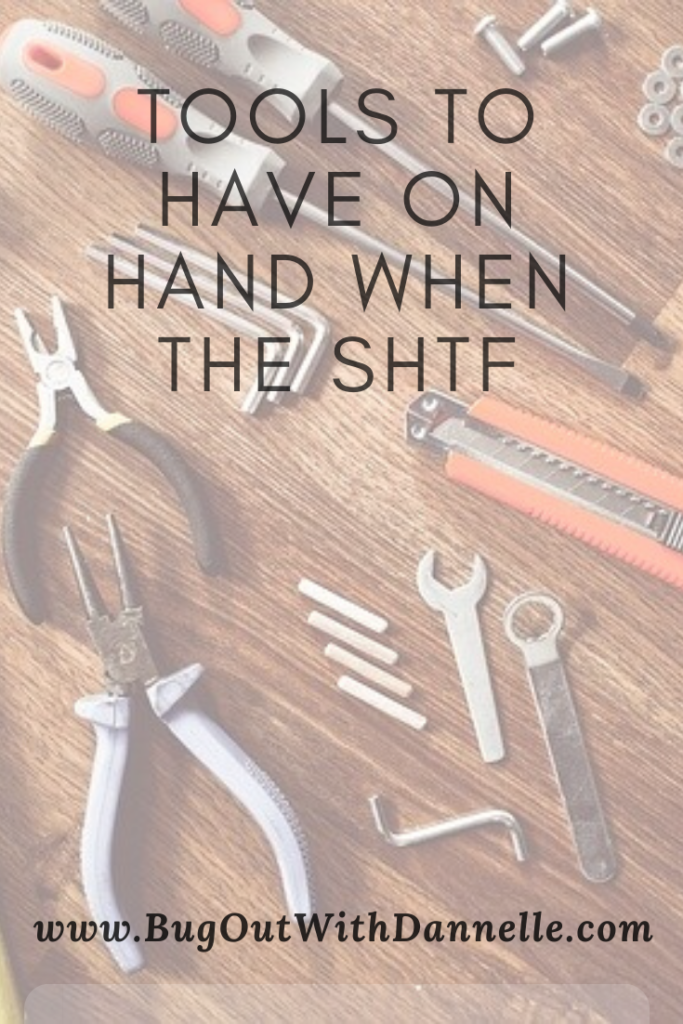
Tools To Have On Hand When The Shit Hits The Fan
Knives
Knives serve so many purposes; it is a must to have at home. From needing it to slice the bread down to cutting off that extra piece of an item hanging off that’s causing a problem. Knives are important, and always having one will give you benefits such as…
* Safety – Staying safe is the best option, and a knife can help you achieve this feat against those who may want to attack you.
* Survival – Emergencies are never foreseen, and when it strikes, you will need to get yourself out of it. A knife will help you to achieve the highest level of survival and get yourself out of any mess.
* Camping – Camping is a tricky activity, and a knife will help you get a lot of things done like getting a fire started or cutting your way to source food.
Folding Shovel
Bulk materials are always in the way, and you may need a shovel to move the things around, especially like digging and lifting. Moving things around is required, and there is no way you want to hire someone to do the work you can easily do yourself.
Gardening Tools
Now more than ever, backyard gardening will become a new norm, and the tools are needed to get the jobs done. A few gardening tools like a small shovel, a machete, and a few others. It will allow you to do something you love and earn lots of benefits from it.
Fishing Line
Fishing lines are generally strong, and they can do a lot of things around the home. Your garden would do well with this item, especially when it comes to tying your plants to keep upright or even keeping items intact. They are flexible and will help you to take care of lots of tasks around the home and even for other outdoor activities.
Screws & Screwdriver; Hammer & Nails
Keeping things together can sometimes be proven hard, and a few knocks of a nail or screwing a few bolts in will give you the advantage. You never know what will happen, and you need to build storage inside or out, or you will need to get a barrier should anything happen. In addition to having these items, a hammer will also be needed.
Metal Duct Tape
This type of duct tape is not the same as the regular duct tape, as this one has a stronger bondability and can keep things together better. It is flexible to use and can be used to do a lot of things to include…
* Cover Opening – There may be a hole in your pipe or on your wood structure, and you need to seal it. Metal duct tape is efficient to keep it concealed and not cause any further issues.
* Signaling – Especially at night, you might be out doing some work, and allowing passersby to identify you is important. Take, for instance, you are out working on the road, you will need drivers to identify you easily and should you not have a work vest on hand, the metal duct tape will help to show you up clearer.
Pliers; Wrench Set
The need to tighten a few things around the home or at the office always comes up, and what better way to take care of it yourself than to have the tools required to do the job successfully. Having pliers and a wrench set will help you get practical and correct any fault you may encounter. Also, they are efficient tools needed in the case of an emergency.
Bolt Cutters
Emergencies always happen when you least expect it, and pulling a safety barrier apart is most times impossible when you don’t have access to keys or opening tools. A Bolt Cutter will help you achieve the feat of pulling things apart to solve any issues you are facing. If you are doing renovations, this tool will come in handy.
Multi-Tools
Everything on this list is important, but what you probably need to get also is a few tools that are flexible and can do multiple tasks. When you think about getting multi-tools, you could consider a few like…
* Portable Pump – There’s nothing more annoying than getting a flat tire in the middle of nowhere and having to wait hours before the emergency team gets to you. An air pump will come in handy and not only for that reason but other activities around the home. They are also great to take on your camping trips.
There are also other tools you should get that serve multiple purposes, such as those that have a lot of compartments (knife, clips, cutters, etc.).
These tools, among many others, are important to have on your person no matter where you are. If you are not sure how to take them around with you, you can easily have a box in your trunk in which you put all these items. You will never regret taking these with you because, as we noted, emergencies don’t give a warning when they are coming.
Quarantine for a majority of us, an unprecedented experience. In such a situation, there are a lot of unknown and often unanswered questions. It is essential, however, to know what you can do and what you cannot.
This article will address the ten main things you need to avoid when quarantined. Here are some critical things to be aware of:
10 THINGS TO AVOID WHEN QUARANTINED DURING A PANDEMIC
If you need to self-quarantine, you have to isolate yourself from others. Protect others from getting infected by keeping your distance and avoid being in the same room with them, as far as possible.
Avoid contact with other people
Depending on how the infection in question is transmitted, do not share dishes, towels, eating utensils, bedding items, and other personal items with other people.
Adopting these habits will help control and prevent further infections: clean all surfaces and frequently manipulated devices such as computers and mobile phones using a disinfectant. Always remain alert to symptoms related to that particular infection.
Do not entertain visitors
Avoid the risk of spreading the infection if you have been quarantined by stopping social visits and other close contacts. You can order takeaways, but make sure you avoid physical contact with the person delivering the order.
Protect people who help out with house chores by requesting them not to come to work, at least during the quarantine period. Such people may include child-minders, housekeepers, and dog walkers.
Avoid contact with your pet
Your pet can unknowingly become a transmitter of viruses. Limiting contact with your pets when quarantined is a way of protecting yourself as well as your pet. Avoid getting licked by your pet, petting your pet, as well as sharing food with your pet. If possible, ask someone else to be responsible for your pet while in quarantine.
Avoid traveling
It is safer to refrain from moving outside for whatsoever reason while in quarantine. Make sure you stay at home and avoid spreading the infection to others.
If your symptoms start worsening, make sure you call your doctor first and avoid showing up without any warning. Alternatively, head to the medical facility where they have set up a specialized zone for such pandemic-related symptoms.
Avoid coughing or sneezing without covering your mouth or nose
If transmission of the virus is via droplets, cover your mouth and nose when coughing or sneezing to help contain and prevent the spread of infections.
Throw away used tissues and wash your hands thoroughly after sneezing or coughing, applying the 20 seconds rule. Wash your hands thoroughly using soap and warm water after going to the bathroom and avoid touching your face, mouth, or nose.
Avoid handling food without washing
Always wash your hands before preparing or eating food. Avoid making food for others while quarantined to prevent the spread of the infection if you show some symptoms of infection.
Do not leave your health to chance
Avoid relying on other people for knowledge of how you can best take care of yourself as well as your loved ones while quarantined. Make sure you are well aware of what you must do once you or a loved one are self-isolating. Have proper knowledge of the steps that need to be taken and know what to buy.
Make sure you have access to all the necessary items needed while quarantined. Do not hesitate to contact health professionals when the symptoms start worsening.
Avoid assuming your kids understand what is happening
Being quarantined or being in self-isolation can cause a lot of discomfort to your loved ones. Make sure you educate your kids about pandemics and quarantines. Make sure they understand that being quarantined does not mean the presence of an infection.
Calmly explain to them the situation and the reason for staying at home. Educate them on the precautions to take during that time. If you want to keep them busy, check out this site full of fun ideas for kids.
Avoid disconnecting with your loved ones completely
Avoiding physical contact with your loved ones does not mean being emotionally or socially disconnected. You are also encouraged to keep in touch using emails, calls, or social media. Maintaining this virtual contact will significantly reduce stress levels.
Avoid self-medicating
One mistake people make when quarantined is trying to control or get rid of the first symptoms by self-medicating. Do not self-medicate or increase dosages if you are already under specific medication. Self-medication or the risk of overdosing will not help you fight or prevent suspected infections.
Emergencies come in so many forms and one of the most critical occurrences are medical emergencies. When it pops up, you tend to start panicking a little bit before you start acting. However, it is important to have your tools on hand when it happens, as this will help to reduce the stress you push yourself into.
As such, it is important always to have a medical kit should anything happen. But, what should you have in the kit to start with? There is a general criterion that can help you get your medic bag together and ensure you have everything you need to have.
The phrase “Think ABC – Airway, Breathing, Circulation. This will help you to analyze the patient and know if they are breathing properly or whether their airway is clear. It will also allow you to understand whether or not they are bleeding and if it is in control. Being able to determine the solutions to these issues will help you to understand what steps you need to take after.
What To Keep In Your Medical Bag
When packing your bags, here are a few ways to help organize the important items…
General Items
Safety First – Before you start any medical assessment or treatment, you need to think of safety first. To do this, you will need gloves, sanitizers, and safety glasses. If you are wondering what all these are needed for, then you should take a look at what happened in 2020 – the Coronavirus pandemic. With the virus spreading in multiple ways, it is important to clean up and have protective gear before treating affected patients. It is paramount that you start with YOUR protection when looking at items for your medic bag.
Assessment Gears – After equipping yourself with the necessary protective gear, you need to assess what the patient is going through. A thermometer check is important to see whether the patient is running a temperature or not. If they are, you could pull for any instant ice pack you have to cool them down to do the other necessary assessment and work. Also, you will need to record all the details should you have to take them to a hospital. This will enable medical professionals to know exactly what was happening and the next steps to take.
Workplace Tools – You can never tell what exactly is happening in the case of an emergency, so having somewhere to work and what to work with is important.
You don’t want to have the patient on the ground, so it is important to have a base like a shower curtain, tarp, or towel so you can have a clean and safe ground to work on.
Also, trauma shears might come in handy because you may have to cut through pieces of clothing to get to the heart of the problem. A sharpie pen is also critical to have.
Treatment Tools – After you have prepared the working area, geared yourself, and do the necessary assessment, you may have to perform mild treatments. Having peroxide, rubbing alcohol, and painkillers will help to stabilize the seriousness of the emergency.
After adding the above items to your medic bag, you are probably wondering what the ABCs of the kit should be. We have assessed the necessary tools used in a medical procedure and have identified the following…
The A’s: Airway Items for Your Medic Bag
Flashlight – Medical emergencies don’t always happen during the day, so you will need this tool to help you get through the impossibilities of the night.
Esophageal Airway Pack – Making sure their airway is not blocked is important as you will want them to have enough oxygen going to their system. This pack will help you determine what is going on in their passageway. This pack consists of different tools that will come in handy.
Tweezers – Do you need to pull something out that is causing a clog? You may never know, but we have seen these tools come in handy on so many occasions.
Dental Kit – The mouth is a vital part of assessing a medical emergency, so having an efficient dental kit is important.
The B’s: Breathing Items for Your Medic Bag
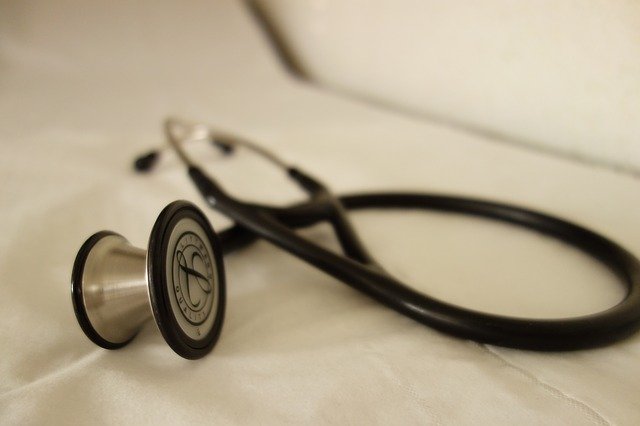
Stethoscope – Make sure your patient is still breathing. If you are unable to detect a pulse movement, a stethoscope will help you get a more defined answer to your quest.
Benadryl – This is a multi-purpose drug that can be used in many different ways and for different reasons. Whether it is to ease any allergies the patient is experiencing, slight cold issues, or itching.
Epi-Pens – This injector should be on hand as most times, people have near-fatal allergic reactions from elements such as insect bites, drugs, or food, and they need emergency aid. Epinephrine will help to reduce any deeper problems this reaction may cause to the patient.
The C’s: Circulation Items for Your Medic Bag
This is where your kit gets a little more critical, as you will need some creams, drugs, and other items to attend to any medical emergencies. For these items, you may need to add…
Tourniquets – Losing blood in an accident is dangerous and can be fatal for the patient. As such, having a tourniquet will help to stop extensive bleeding to attend to inflicted wounds.
Clot Reducers – You want to have an item that will help with reducing the chances of excessive bleeding and clotting.
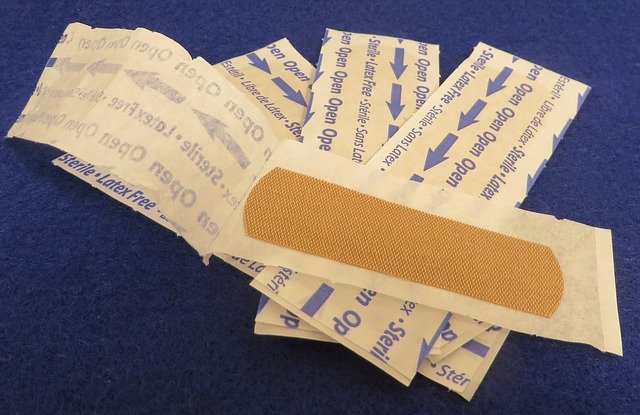
Bandages – Bandages of all types are needed in your kit from a minor cut to sprains and even a brace to support possible broken limbs while the patient is being transported to the hospital. Going for high-quality bandages is better as they hold and secure wounds much better.
SAM (Structural Aluminum Malleable) Style Splint – This tool is critical to helping the patient keep bones and soft internal tissue injuries immobilized to prevent further damages.
Antibiotic Cream/ Disinfectant Spray with Bactine – Reducing the chances of developing bacteria of infection is important, so having antibiotic creams is important.
Self-adhesive Water-proof Bandage – This item is similar to that which is used to wrap a horse’s ankle. It sticks on its own, provides firmness, and does not soak.
Electrical Tape – You might be wondering why to have this in a medical kit. Well, it works on all surfaces and does not soak easily.
Sterile Water – Before you treat a wound, you need to ensure you clean the area properly to remove any potential dirt or bacteria which may have been picked up. You can also give it to the patient to drink.
Aspirin – Aspirin is important as medical emergencies do involve heart attacks, and this drug is effective in helping. However, not everyone can take aspirin, so making checks before administering is important.
Peroxide/Rubbing Alcohol – Aside from cleaning, it can also be used as a source of preventing infections and ridding wounds of potential bacteria contraction.
Glucometer; Glucose – The medical emergency may involve fainting or low energy, and a little glucose will help to revive. The glucometer will help you in assessing the status of a patient’s blood sugar levels as well as other details.