10 Of the Best Worldwide Disaster Relief Organizations

There are hundreds, if not thousands of disaster relief organizations around the world. Millions of people are dislocated yearly from one disaster or another and turn to these organizations for help.

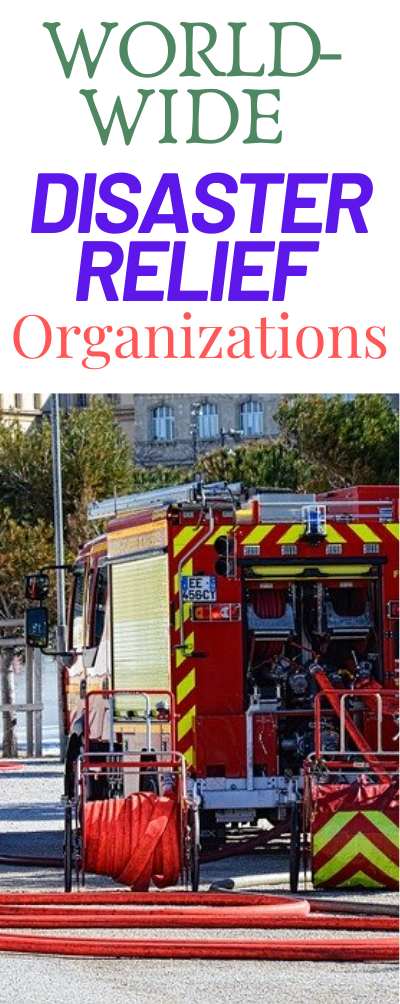
10 Worldwide Disaster Relief Organizations article cover image

These organizations work beyond measure to provide aid to communities and people around the world through health, food, relocation, and much more. The various organizations across the globe cover a broad scope of works from helping to prepare for a potential disaster, assisting during the event, and supporting the rebuilding process in the aftermath.

10 Worldwide Disaster Relief Organizations

However, though they go beyond what many persons see as possible, these organizations are still human-run operations. Persons working or volunteering with these charitable groups show humanitarianism while putting their own lives at risk to help.

Each year, billions of dollars are donated to these disaster relief groups to carry out their works in hundreds of different countries. The provision of essential survival items like food, water, medication, and clothing are among their top priorities. Do you wish to donate but not sure who to contact? Listed below are 10 of these international relief programs you can contribute to or volunteer with:

All Hands Volunteers

The mission of All Hands Volunteers is to provide the short-term and long-term needs of persons affected by a natural disaster. They have been in operation for years and have assisted disaster-affected communities in various countries across the world.

To work as effectively as they always do, they communicate with local authorities and community members in helping to build and re-build disaster-resilient homes, schools, and other infrastructure. Their work never ends, and within the last 15 years, the All Hands Volunteers have changed the lives of over 1.1 million people worldwide.

Direct Relief

Direct Relief International has been providing disaster relief assistance to people and communities in over 70 countries. They have been in existence since 1945 and founded by an Estonian immigrant, William Zimdin, to the US. Over the years, the non-profit organization grew and thus prompted various name changes, which still didn’t change the mission of the foundation.

Their core belief is to “improve the health and lives of people affected by poverty or emergencies by mobilizing and providing essential medical resources needed for care”. They work with local authorities in international countries in finding ways to provide health care services to remote areas.

World Vision International

World Vision International is a Christian-based humanitarian group that is committed to helping and changing the way people live after enduring a disaster or emergency. They have labeled their organization as a non-denominational group that has attracted volunteers of different beliefs on a single cause for good.

They train and dispatch local volunteers who provide emotional, physical, and psychological assistance to those in need. The organization has expanded its reach to various countries and has provided basic survival necessities, especially to people in “hard to reach areas.”

direct relief organization

International Federation of Red Cross

No list of disaster relief organizations would be complete without them. The American Red Cross is one of the longest-serving humanitarian groups around the world. Their mission is to provide disaster relief, emergency assistance, and disaster preparedness education. Known as the International Federation of Red Cross and Red Crescent Societies, this group serves more than 160 million people worldwide through their 192-member National Societies every year.

Since its inception over 100 years ago, the charitable organization has been providing impartial services to vulnerable people and communities. It various local teams assist, before, during, and after an emergency or disaster. Their services are almost not limited, and their developmental programs help millions of people each year.

Salvation Army

This organization is also one of the largest non-profit humanitarian institutions in the world. Their scope of works covers feeding, providing shelter, counseling, providing medical assistance, and resource distribution.

The Salvation Army is over 154 years old and is still serving more than 200 million people each year through its 131 country assistance program. The group does not focus on impartiality such as race, color, or politics but is working to change the lives of local and international communities a day at a time.

United Nations Office for the Coordination of Humanitarian Affairs (OCHA)

Founded in 1991, the OCHA has since established workers and volunteers in over 60 different countries. Their mission is to aid in the strengthening of local communities worldwide that are affected by emergencies and disasters. The organization provides resources that include funding, advocacy, developments, and other disaster-relief assistance.

International Search and Rescue Advisory Group (INSARAG)

INSARAG is a worldwide organization that provides search and rescue mission services to countries around the world. They are a network formed by various countries to assist in disaster search and rescue operations as well as providing resources to enhance the lives of people and communities worldwide.

The group also offers educational support for rescue teams worldwide in being able to respond to the aftermath of infrastructural-damaged regions.

10 Worldwide Disaster Relief Organizations helicopter rescue

Project Hope

Disaster and emergencies have no base on which they need to operate and can affect every area of one’s life.  Since established, Project Hope has joined forces with thousands of volunteers around the world in helping to provide quality healthcare services to those in struggling countries.

Thinking healthcare should be a free opportunity, the founders of this humanitarian organization realized that small and under-developed countries struggled to provide this basic life necessity to their people, even in the case of an emergency or a disaster. Project Hope also offers other resources and an educational platform for spreading information about protecting one’s health.

Episcopal Relief and Development

The Episcopal Relief & Development (ERD) organization has been providing disaster, and emergency relief services to over 40 countries in Africa, Asia, the Caribbean, Middle East, and the U.S. ERD operates under the Episcopal Church but does not limit their provision of services to only those in their faith.

They join forces with local Anglican and related organizations to provide resources for those in need and also to develop the community by extension. Since their establishment in 1940, they have helped in enhancing the way people live positively.

World Emergency Relief (WER)

World Emergency Relief is an international body that has been helping to change the lives of disaster-affected persons worldwide. They have partnered with other organizations to collect resources and dispatch teams to different countries. The mission of WER is to provide a positive impact on the lives of families and local communities in countries struggling to rebuild after an emergency or disaster.

Disaster relief organizations help millions each year, and your support is what they ask in continuing to impact the lives of those displaced in natural disasters. You can donate in cash or kind or contact their offices to find out how you can volunteer.


Other posts you may find helpful:

Self-Defense: Fighting Back During a Pandemic

During a pandemic, systems like the police, fire stations, and EMS can quickly become overwhelmed. In a time of crisis, people are on their own, and it’s up to you to figure out how you’re going to protect yourself and those you love in the event you have to fight. Fighting Back can be an imporant skill!

fighting back during a pandemic article cover image

When an intruder gets into your home during a pandemic, you have no choice but to fight back if you want to make sure you keep the supplies you’ll need. The first line of defense is a firearm. 

Self-Defense: Fighting Back During a Pandemic

There are several different ways you can protect yourself – let’s check it out:

Firearms

Most intruders will run away or back down the moment they see a firearm. They count on cooperation and being the oppressor; they’re not usually looking for a fight. Those who are will be prepared to use lethal force – which means that you’ll have to be ready to do the same. 

There are so many options, it may be a little scary at first. If this is your first time ever getting a gun, you should get a .22lr rifle to start with.

Some people want to dive right in to the larger calibers, like .50AE Desert Eagles. However, this is a bad idea. You should start off on something simple, inexpensive, and trustworthy.

One of the best options for this is a Ruger 10/22 rifle. They’re extremely common, and only about $300. You can pick one up at any sporting goods store…don’t think you can just pick one up on Amazon. You CAN get things like cases, sites, and more on Amazon though. You would want to take this to the range, practice, and maybe even buy some lessons.

Ammo for .22lr is also very cheap. Once you have some experience with guns, you’re going to want to make your next purchase. For home defense, a shotgun is an extremely good purchase.

A solid 12 gauge like the Mossberg 590 will run you anywhere from $400 to $450. The reason that shotguns are good for home defense is that they have spread, are easy to use, and are versatile.

When you hear a break-in during the night, you’re going to have adrenaline rushing. A handgun, while effective, may be harder to aim and land a shot when you’re shaking and panicked.

With a shotgun, you will have an easier time hitting your target, because the pellets will spread out. Some may be put off by the lower ammo capacity of a shotgun, but consider that each shell contains what is essentially eight bullets.

There are even some revolvers out there that will shoot .410 shotgun shells, such as the Taurus Judge or the Smith and Wesson Governor – though those will be more expensive.

Handguns are also a good option for home defense. You can get a variety of 9mm handguns, but you want to make sure they’re from a trusted brand, such as Glock, Smith and Wesson, Beretta, H&K (even though they’re a bit more expensive), etc.

Tools to help you when Fighting Back

You’re going to want to check around online and see what others have said about companies you don’t recognize, such as Bryco, Cobra, Rohm, etc. because they may be prone to failure, and the last thing you want is your gun failing on you when you need it.

All of these guns are great, but they can be really dangerous while defending your home without using proper ammunition. If you’re using high penetration 9mm, there’s a good chance it will exit the criminal and go through your walls, possibly hurting people you don’t want it to.

You can purchase low recoil 12 gauge ammo for $0.34 a round, which is a very nice price. The low recoil means it also has lower velocity, and once it penetrates the criminal, it will have lost most of its speed and will not penetrate the wall behind them.

Keep in mind that those are just MY thoughts. You can use a pistol, revolver, or any handgun to protect your family. Make sure you keep it where you can quickly get to it the second you know someone is coming into your home. 

No matter which weapon you choose, keep it stored safely until you actually need it. We love this company:

Other weapons

If you can’t get to your gun or you don’t have one, then fighting back using whatever it is that you have within reach should work. Quick weapons can be items like baseball bats, fireplace pokers, kitchen knives, or hammers. 

Slowing down an intruder can also work in your favor. By slowing someone down, you can often get the upper hand and take them to the ground. You can slow down an intruder by using things like pepper spray or a Taser. 

Personal Skills

If you’re outside your home and someone is determined to get past you to get in, grabbing a handful of dirt or gravel and throwing it toward their eyes can also be a handy deterrent. 

A thief can’t fight if he can’t see. It might come down to you having to use hand to hand combat to take down the thief. If that’s the case, remember always to disable whatever weapon he has first if he does have one. 

hand to hand combat when Fighting Back

You want to take that out of the equation. Remember that your thief is as determined to get what he wants as you are to stop him. You’re going to have to either injure him or he’s going to harm you. That is the sad truth about fighting back.

Use whatever you have to use during a fight to render him helpless. Then you’ll need to secure him until you can turn him over to the authorities. If the pandemic has hit you and your family and you’re too weak to fight back, you’ll need a particular room in your home that you can all enter into that’s fortified and safe against an intruder. 

This room should have supplies as well as a lethal force weapon in case the intruder can break into this safe room. Remember, with someone searching for medical supplies during a pandemic; they’ll be desperate – so there’s no telling what they’re capable of, even if they wouldn’t normally act that way in the real world without a health crisis. 

More on self defense:

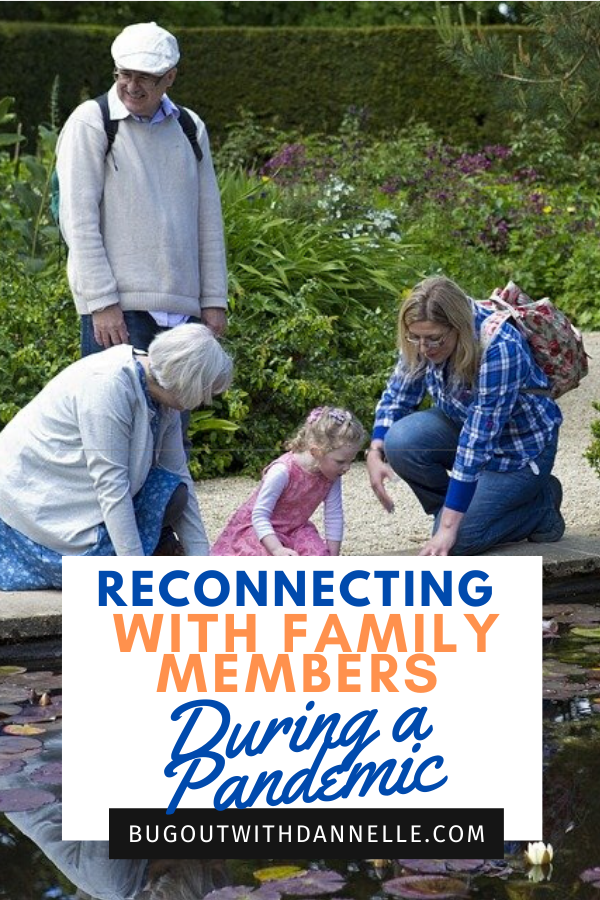
Reconnecting with family members during a pandemic

During a pandemic, some people have no option but to self-isolate, and others are put into quarantine to get better control of the disease and stop its spread. These extreme measures can put a strain on some relationships, especially closely-knit families who see each other often and do things together. In some cases, a parent has to be isolated from their kids, and that can profoundly affect parent-child relationships. Reconnecting with family is important.

Reconnecting with family members during a pandemic article cover image

Staying connected during a pandemic is very important for families. By just practicing a few habits, you and your family can come out of an epidemic even stronger than before. Here are some practical ways to encourage you to stay connected with your family when self-isolating:

Reconnecting with family members during a pandemic

Talk about the situation

Talk about the disease and why it is essential to maintain a period of isolation. Go on to discuss in detail how the separation will go and what methods of communication you will adopt to stay in touch. Make it a must to give each other regular updates until the period of isolation is over.

Talking is the healthiest way of dealing with any issues related to emotions. If you want your relationships to survive a pandemic lockdown or to repair fractured relations, you have to take some time to talk to your loved ones.

Check-in with texts and video calls

Check on your loved ones through regular texts and video calls. We live in the technology era, which makes it possible to remain connected with people regardless of the distance. It is even possible to have group calls where the whole family can participate in different locations.

Play online games together

Staying connected with family does not mean talking and chatting alone. You have to incorporate other activities that you can do together. Playing games online, together as a family, can maintain the connection needed to get through a lockdown with minimum damage.

There are different kinds of games online to suit various family interests. Depending on the sort of things you like as a family, you can play board games, sports games, role play, strategy, adventure, etc. 

play online games together

Work on a family project from a distance

Another way to reconnect with family members is to start a family project. A family project will ensure that you frequently communicate as a family. It will also bring about some challenges that you will have to work together to overcome, thereby uniting the family.

The family project does not have to be complicated; it could be starting a family YouTube channel, blogging, or business. You could also start preparing the family’s genealogical tree. 

Plan a future family get-together or vacation

While you are in self-isolation or lockdown, try to work together as a family to plan the next gathering or family vacation. You can give each other tasks to do and make decisions together until the whole plan comes along. Planning together gives family members the feeling of being loved and being relevant, which plays a significant role in building connections and reconnecting for those who had lost touch.

Help each other with goals and resolutions

Encourage each other to come up with goals and resolutions. Discuss and establish each other’s vision board and come up with a mutual vision board as a family. Help each other evaluate past achievements and failures and map up new objectives for when the pandemic is over.

By being involved in each other’s lives, you build a stronger bond, guaranteed to withstand any crisis that may threaten to shake your walls.

Reconnecting with family via text

Time to forgive and reunite

A time of crisis is an excellent opportunity to tackle past hurts. Talk about these issues openly with the relevant family member and forgive or ask forgiveness where necessary. Paradoxical, though it may seem, a pandemic is an opportune moment to mend and start over any broken or wounded relationship with other family members.

It may hurt at first when dealing with these issues, especially if there were deeply buried emotions. Still, the intense feeling of relief and restoration will be liberating once relationships are mended. 

Other tips and tricks for Pandemics

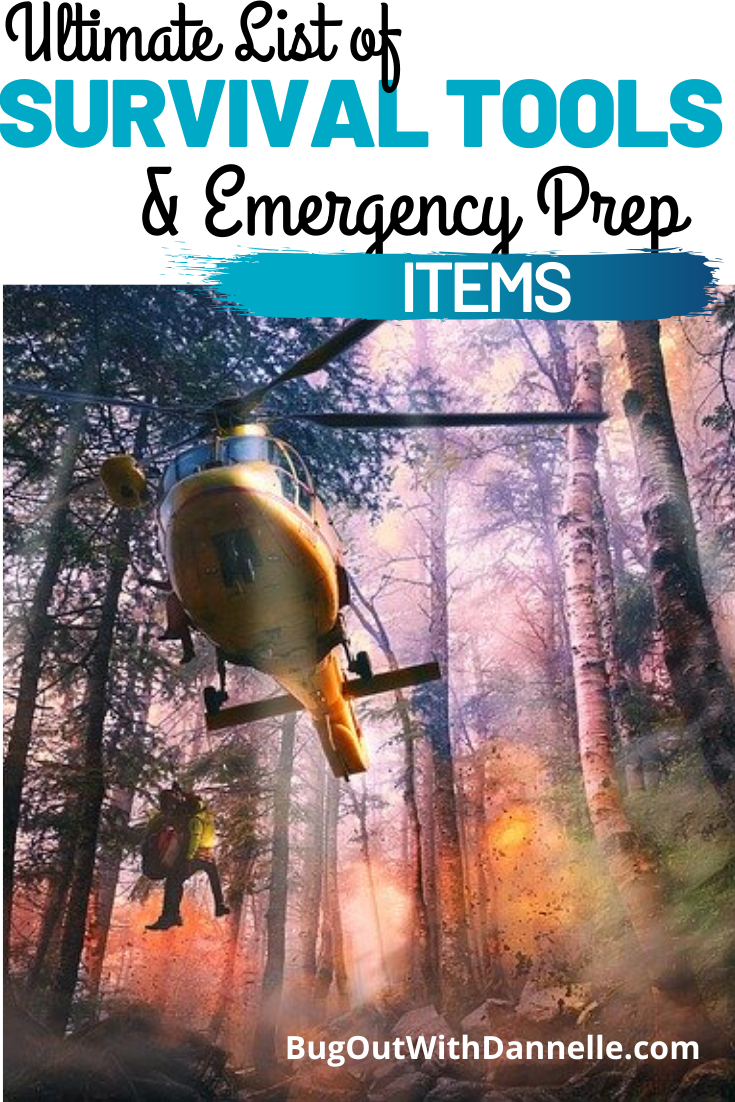
Ultimate List Of Survival Tools & Emergency Prep Items

Survival Tools and Emergency Prep Items are a must for many.  Whether you are preparing for the occasional state of emergency that comes with severe weather, or you are in the category of long-term preppers these tips are great.  Being able to prepare to protect and provide for your family no matter what happens is a great tool we all need.  These posts are going to give you a great beginning.

Don't miss the Ultimate List of Survival Tools & Emergency Prep Items you need for your Bug out Bag!  These tips will help emergency preppers succeed!

Ultimate List of Survival Tools & Emergency Prep Items

What is a Bug Out Location and Why You Need One?  Answer the question everyone asks when they hear the words “bug out”!  This will help you understand more about what an emergency prepper needs and does.

How to Build a Bug Out Bag: This list of tips is shared from the point of view of someone who has built many bug out bags for use in that just in case instance.  A bug out bag is a must, and we share how to create your own.

Emergency Prep Bug Out Bags:  In one of our first posts about emergency prepping, this helps you to know what survival tools we personally keep in our bug out bags and why we keep them.

Disaster Survival Preparedness Tips: This is a great place to start if you are just at the beginning of your preppinig journey. It gives you a rough outline on what to consider and look into.

How to Properly Store Water:  Water is life and in an emergency situation it can be the one thing you need the most.  We share how to properly store water to have on hand in an emergency. This post shares all about how to recognize signs of dehydration and why you need to have a prep of water on hand.  This goes perfectly with the above post showing you how to store water safely.

8 Must Have Supplies for Canning Your Own Food:  One major method of having enough food on hand in an emergency is by home canning fruits, vegetables, and even meats.  Check out this post for more tips on how to can as well as what you need on hand to make it happen safely.

15 of the Best Disaster Movies Worth Watching: It is amazing what tips and tricks we can pick up from Hollywood movies. Check out our suggsted list of “must-see” movies for your home education on prepping!

DIY Home Security for Preppers:  Do you ever consider that in a state of emergency there may be more theft or home invasions?  If so, this is for you.  Every home needs a home security method in place.

Natural Antibiotics for Preppers:  In major states of emergency, having health care may be impossible.  These items are a must to have on hand to use as a natural antibiotic safely without fear of expiration dates or need for a physician on hand.

Why Your Family Should Have a Stockpile?  Many don’t understand why we keep a stockpile of food.  This post will help you understand the reasons behind it and need for it in your life.

How to Keep Your Stockpile from Expiring?  Stockpiling food and drink for emergency use can be a frustration if you have expiration dates making the products unusable.  Don’t miss these tips for how to keep your stockpile from expiring.

Emergency Preparedness Tips for Pets: Do you have furry little family members? It is important to consider them too in your emergency preparation plans!

Alternative Heat Sources for Power Outages: Depending on where you live, this can be a huge issue! In Wisconsin, it can snow eight months out of the year, so heat is VERY imporant to keep us safe and comfortable.

How To Prepare A Winter Home Safety Kit: It goes without saying that winter can be a terrible time to deal with power outages, food shortages, and more. This article is for you!

Emergency Winter Car Survival Kit: Keeping with our winter theme, this is what you should have in your car, just in case you fined yourself stuck somewhere on the road!

Emergency Prep Food:  This post tells you more about what we recommend for emergency food and why.  There are many amazing options out there, but this is our favorite source.

Things to Learn During Quarantine: is a great list of things all preppers really should know. Use this lilst to fill in your skills when you find yourself with time on your hands.

How to Prepare Your Family for a Financial Emergency:  One of the most needed survival tools for an emergency prepper is actually financial.  These tips help you to plan for a financial emergency, and why it is a must no matter what level of prepper you feel that you are.

10 Creative Entertainment Ideas for Kids during a Pandemic: This is a great list of things to help entertain the kiddos when life is not “normal” and what you used to do simply won’t work.

10 Awesome Websites Preppers Love:  If you really want to learn more about emergency prepping and what survival tools you are lacking, check out this list of our favorite websites just for preppers.  Emergency prepping is a wonderful way to learn more about things you need in your life.

10 Power Outage Boredom Busters:  Part of prepping for an emergency is also being ready to kill time when there is no electricity, internet, or other electronic entertainment options.  This will help you to be prepared, and maybe find some things your family will enjoy outside the

How to Prepare Your Family for a Flood:  Nobody wants to think about a flood happening, but if you live in an area that has a lot of rainfall seasonally, this could be your reality.  It is always best to be prepared, and our tips give you a great place to begin.

10 Ways to Prep For Summer Storms:  Summer storms can be beautiful to watch, but they surely wreak havoc on your life and family.  Check out our tips for how to prep to stay safe and sheltered no matter the storm.

United States Disaster Relief Organizations That Help: I really can’t advocate relying on other people for help, but here is a list of places in the US that are there for us.

These survival tools and emergency prep ideas are just what you need if you find yourself in the category of becoming an emergency prepper.  Don’t wait until it is too late. Begin prepping today!

How to Start Homeschooling Your Kids during a Pandemic

When a pandemic strikes, life as you know it, will be altered. You’ll be forced to make decisions that could impact the health of your family. While certain things may cease to function, you can’t ignore a child’s education. It may take a while for the local school districts to come up with “distance learning” so you will find yourself figuring out How to Start Homeschooling your own kids.

How to start homeschooling article cover image

If schools are still operating, you’ll be forced to send your child to school. During a pandemic, this could be a bad thing for your child and your family because wherever large groups of people congregate, the germs can thrive. 

This simple fact is why when one child gets sick in a school or daycare center, the illness spreads so quickly. This fact is also an excellent example of one of the reasons that during the H1N1 pandemic, approximately 600 schools closed down temporarily in an attempt to stop the virus from being spread among the children. 

How to Start Homeschooling Your Kids during a Pandemic

That wasn’t the first time the swine flu caused massive school closures. Some of the schools reacted by allowing the students to learn online at home, which is a form of homeschooling.

Deciding to homeschool is not an easy one to make – especially if you’ve never done it before. However, in a pandemic, it can turn out to be what’s best and safest for your family. 

Knowing when to homeschool should depend on the outbreak numbers you see, as reported by the news and other media. You need to stay on top of how many families with kids are calling in sick. 

For example, in the swine flu outbreak, almost half the students at one school called in sick. Before it reaches those proportions, it’s time to keep your child at home for schooling. 

Before You Start

You can find out from your child’s school where your student is in the learning process of each subject, and you can pick up from there so that he doesn’t lose out on any schooling.

You want to be prepared now for homeschooling. You can purchase books online in your child’s grade level – including teacher workbooks, answer keys, and lesson plans. 

Look specifically for subjects your child is currently taking. Find matching quiz and test booklets or make your tests from the text your child is reading. You can buy field equipment your child will need for biology such as microscopes, slides, and specimens. 

How to Start Homeschooling

Load up on books

Anything you can buy that will give your child a hands-on experience will help his education. You can buy books at bookstores and thrift stores. The local library also often has textbooks on sale for pennies on the dollar. 

You can find algebra books, foreign language books, science, psychology, and more. There’s so much information available that your child could end up better prepared educationally when he can return to school. 

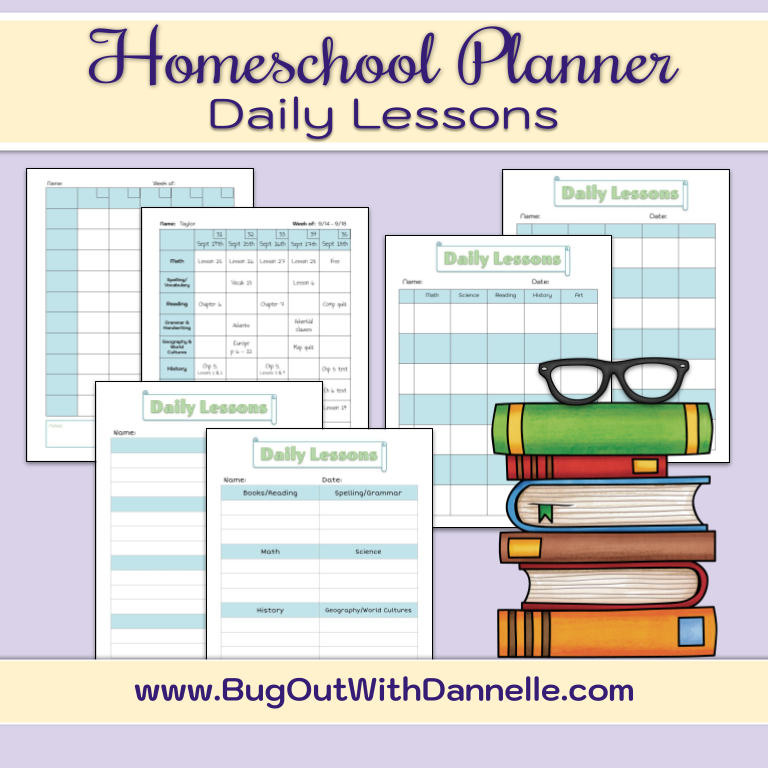
Ultimate Homeschool Planner

We whipped this gem up for you to help keep track of everything you might need to know so you can stay organized. Hands down the largest challenge are staying on task/track when homeschool planning. If you are looking for homeschool planning pages then we have you covered with a daily lesson plan pages set as well as a printable homeschool calendar.,

homeschool planner for distance learning

Get your FREE Printable Homeschool Planner from us here:

Make lesson plans

Start now printing off any materials you think you’ll use. Some homeschool websites will list resources, and you can print off lesson plans as well as lesson samples. 

While you are at it, find a few “fun things” to mix in for them, look for sites like THIS ONE to get ideas on movie studies, book report activities, or even seasonal worksheets.

Some online sites – such as Amazon – list some homeschooling digital books for free, so that would take care of a portion of what you need. You’ll want to have a lesson plan book and keep meticulous records of what your child learned so that you have a way to show accountability to the state that you live in. 

Check the regulations

Each state has different laws about homeschooling, so get informed now. You’ll also want to keep records of the day and hours your child worked on schoolwork so that you have attendance and time records.

Get Connected

It is very likely that you are not alone in this. Join online homeschooling groups to share hints and tips, as well as get them, from other parents who are in the same boat as you are.

Other posts you may find useful:

The Best Things to Learn During Quarantine

You stuck at home and have some time on your hands? YouTube is your friend. You can how-tos about anything on there, and here is a list of what we suggest you brush up on, and why.

skills to pick up while quarantined

If you are now finding yourself with a little extra time on your hands, it is the perfect time to add to your skills list by using this precious time to help make you better prepared for the future.

Things to Learn During Quarantine

There are literally dozens of things you could choose to attack and master, but we have a list of some of the most necessary survival skills to master.

Basic Knots

Knots are very useful for emergency shelter making, improvising snares, fishing nets, even simply an emergency clothesline or way to hang your equipment off the ground while camping.

When you browse the internet, chances are you will come across as many as sixteen or even more different types of knots. But all knots are not essential unless you are a sailor or a climber. Learn just two or three basic knots and get the job done.

A quick video all about 7 Essential Knots You Need To Know

Fire Starting

Fire starting, one of the survival skills, is not for the faint-hearted as you need to adopt friction-based fire-starting or any other primitive method. It is a great time to learn how to start a fire without a match or a lighter.

You may not need this skill ever, but it is cool to know-how that you can heat and eat anything in the case of an emergency! We love this article: Campfires 101: Everything You Need to Know from Fire Starters on Up.

Identifying Local Plants

Learning to identify plants is no mean achievement even for the full-time students of botany. It might seem too tedious and technical at first, but it will sure build your knowledge of plant identification.

30 medicinal plants the Native Americans used on a daily basis

It is the best time to upgrade your plant identification skills to the next level

Learn what plants are right on your doorstep that can be used as food, medicine or poisons

All of us love maintaining a beautiful garden in our backyard or near the entrance. But are we aware that there are plants that can be used as food and medicine and are available easily?

Plants like Yarrow, Mullein, and Dandelion have great medicinal properties, and they are edible too. Want to learn more? Check out www.eattheweeds.com to gain more plant knowledge.

Change your Tire

Changing a tire is an effortless skill that all car owners should know. A lack of knowledge could leave you stranded on the side of the road. When you learn how to change a tire, there will be no need to wait for roadside emergency services that can leave you waiting for hours. What is even worse? When you are ini a location that has no cell phone signal.

Learn During Quarantine with map reading

Map Reading

The lockdown is an excellent opportunity for learning, and it is never too late to get acquainted with the art of map reading. With the advent of sat-navs and Google Maps, people have ignored the good old skills of map reading.

When you acquire this skill, you will not be in a soup next time your cell phone battery dies or fails to get a network on a hiking trip.

Vehicle Repair

The quarantine period can be best utilized to learn skills that will help us to save money in the long run. If you know the basics of vehicle repair, then you need not run to the mechanic every time.

Tasks like changing the oil or flushing the coolant, are great DIY projects that you can easily learn, implement, and save a lot of money in the process. Granted cars are not as easy to work on as they sued to be with all of the electronics, but there is still a lot that you CAN do yourself.

Animal Keeping – Chicken, Sheep, Pigs, etc

Have you ever thought of rearing farm animals? Now is the time to learn the required skills to raise chicken, sheep, or similar farm animals. When you run a small backyard hobby farm, your family can have access to grass feed meat, and dairy for the whole year.

You will get fresh raw milk, be safe from artificial cheese, and enjoy chemical-free eggs. Sadly, not all cities let you have chickens or small livestock, but you MIGHT be able to.

learning to hunt

Hunting with either a bow or a rifle

Many of us had an interest in hunting, but we missed out due to our difficult office schedules. It is an excellent time to hunt for some fresh meat, but if you are planning to use bow and arrow, then you need to keep the distance shorter at 30 yards.

Hunting helps you to bond with your children and this quarantine period is a good time to do that. Make sure you stick to the current hunting season and laws.

First Aid

Teaching yourself basic first aid is an excellent way of empowering yourself, and it can have very positive knock-off effects as well. First aid education will help you to help others in times of need, and it will also help your family understand the importance of good health and what it means to be fit and well.

This article on Camping First Aid Kit Essentials is a great place to start, unless you have looked at our own articles on first aid like: First Aid Items for Your Pandemic Survival Kit

Sewing

We all know that sewing is a lost art, but a huge number of individuals have gone back to this craft during this time, and there has been a sort of renaissance lately. When you learn how to repair or make items of clothing, it can be a rewarding experience.

If you have kids at home, they will love the needlework. A simple task to start with is making face masks. There are several places you can get patterns online.

Things to learn during quarantine like making soap

Soap Making

During this lockdown, the soaps and hand washes are fast running out of shelves. You can learn the art of soap making so that you can have ready stock at home. Making soap at home is a satisfying skill to learn. Soap making is fun and not at all difficult, as you might think. You can see a few fun recipes HERE to get you started.

Water Sources and Different ways to Catch Water

Want to do something very creative? You can learn about the different ways to catch water so that you can use it to water your livestock, vegetable garden, flowers, and even use it for drinking purposes. DIY rainwater harvesting is great art, and you can ask your kids to join in.

Safety as a woman

The quarantine period has some disadvantages, and the safety of women has become an essential topic of discussion today. Domestic violence has increased manifold, and they are often under-reported. It is a great time to learn some safety tips and survival skills so that women enjoy a better and safe position in society.

Learn During Quarantine women's self defense classes

Making Moonshine

One should thank the quarantine period for the newfound love for moonshine. The brakes on the sale of hard drinks have disappointed lots of people, and this has led many individuals to try their hand at making moonshine at home.

There are several videos on YouTube that will teach us to make moonshine at home but we found a few recipes here: Moonshine Recipes.

Smoking Meats and other foods

If you are fond of cooking but rued the fact that you hardly got time for it, then make good use of the quarantine and learn how to smoke meat and other food items.

Karl Engel, head chef at Pigcasso BBQ in Tulsa, gives us the lowdown on the basics of smoking meat.

Remember, smoking meat is culinary science, and it requires accurate temperature and time control. Smoking meat is not new in any culture, and you can have it with a glass of beer o make it a complete meal.

Preserving Foods with Salt

Since you will not feel like cooking every day of the lockdown, it makes sense to learn how to preserve food with salt. The value of salt in preserving food items is highly prized, and meat and fish are covered with salt to check the growth of bacteria. Salt is also used to preserve raw mangoes, tamarind, etc.

making sourdough baked goods

Sourdough Starter

It is the perfect time to learn to make a sourdough starter at home. You just need flour, water, and, of course, loads of patience. The process is a bit nerve-wracking for a beginner, but once you learn it, you can use it to make sandwich bread, focaccia, bagels, etc. It takes around a week for the process to get completed. We found some fun Amish Friendship Starter recipes HERE.

Baking Bread

Baking is a relaxing and tasty hobby to get into. It is an important life skill and an opportunity to learn how to bake. Although you may get tempted to learn how to bake cakes and pies, it is the art of art baking bread that will help you during this quarantine period.

Making Candles

If you are searching for a new and exciting hobby to take up, then you will find that making candles is one of the most therapeutic ever! You can easily make a range of beautiful candles at home using standard kitchen equipment. Candle making is a very fulfilling and enjoyable craft that gives you creative pleasure and a sense of achievement.

Learn to Make Animal Traps

How to Make a Basic SNARE Trap with Paracord or Wire so you can Catch Your Own Survival Food

Have you ever tried making an animal trap or a snare? You can learn to make a DIY animal trap that can hold rabbits and squirrels. The greatest advantage of learning how to make animal traps ensures that you always have something to eat when you are in the wild or camping.

Gardening

Getting yourself out in the garden is fantastic for your body, mind, and soul. One can learn a lot through gardening like planting seedlings, watching the small plants grow, and digging up the mud to plant new seeds. The best part is that you can involve the little ones in gardening. Try To Garden has a lot of great tips for beginners.

things to Learn During Quarantine like gardening

Canning

Preservation of food is very important, and since during this period, shops are only intermittently open, it is necessary to learn the art of canning. Canning is not at all problematic, and definitely, you do not need a unique skill set. It is a matter of preserving foods like fruits, vegetables, meat, and poultry so that you can use it later.

Making Jams/Jellies

Homemade jams are much better and tastier than commercial jams. There is no better time to learn to make jams than this period. You can easily make jam at home with/without pectin, and even in your Instant Pot.

You will find that the homemade variety has the right amount of sugar content, tastes real, and looks yummier than the ones that are available on the supermarket shelves. You can get started with some recipes HERE.

Are there any other things you can think of adding to the list? Share with us all in the comments!

Other posts you may find interesting: